
When tackling a tile installation project, achieving perfect alignment is vital for both aesthetics and durability. A key tool in this process is the grout spacer, which ensures uniform gaps between tiles. The choice between the Smallest Grout Spacers and standard grout spacers can significantly impact the outcome of your project. In this article, we will explore the features of each type of spacer, their advantages, and how they affect tile alignment. By understanding these elements, you’ll be better equipped to choose the right spacer for your specific needs.
Smallest Grout Spacers: A Closer Look at Their Features
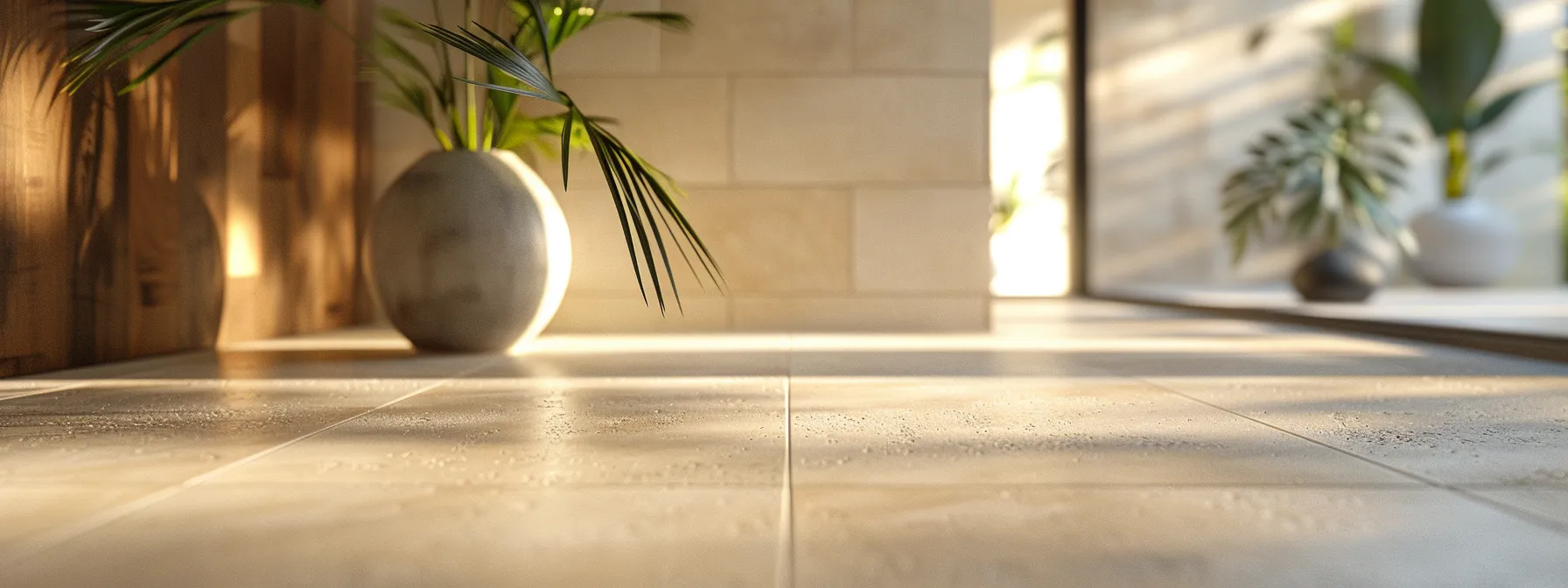
The Smallest Grout Spacers are designed to create minimal gaps between tiles, often as narrow as 1/16 of an inch. These spacers are ideal for homeowners looking to achieve a seamless, almost grout-free appearance. The precision required in using these spacers can be likened to the detailed work involved in Schematic Design, where every millimeter counts to ensure the overall integrity of the project. One of the primary advantages of using the Smallest Grout Spacers is their ability to create a sleek, modern look. This is particularly desirable in areas with high visual impact, such as kitchen backsplashes and bathroom walls. Furthermore, these spacers can enhance the intricate detail of mosaic tiles, which are popular choices in contemporary interior design.
However, the use of the Smallest Grout Spacers requires a high level of precision and can be more time-consuming. The smaller the gap, the less room there is for error during installation. This level of detail is akin to the precision required in creating detailed Renderings for architectural projects, where every element must align perfectly.
Standard Grout Spacers: Advantages for Tile Installation
Standard grout spacers typically create gaps of 1/8 to 1/4 of an inch. These spacers offer more forgiving flexibility during installation, much like the flexibility needed in Design Development when adjustments are often necessary. They are particularly beneficial for larger tiles, where slight size variations are more noticeable.
One significant advantage of standard grout spacers is their ability to accommodate the natural expansion and contraction of tiles. This is especially important in areas with fluctuating temperatures or moisture levels, such as bathrooms and kitchens. The slightly larger grout lines allow for better stress distribution and reduce the likelihood of tiles cracking over time.
Additionally, standard spacers can be more efficient for DIY enthusiasts or contractors managing larger projects. The ease of use can be compared to the streamlined processes outlined in AIA Contract Documents, which facilitate smooth project execution by providing clear guidelines and standards.
Comparing Tile Alignment with Smallest vs Standard Grout Spacers
The choice between the smallest and standard grout spacers significantly impacts tile alignment. Smallest Grout Spacers offer a refined finish but demand meticulous attention to detail during installation, similar to a Punch List in project management, where every item must be checked and rechecked for quality assurance.
On the other hand, standard grout spacers provide more leeway for minor alignment errors, making them suitable for projects where speed and efficiency are prioritized. This flexibility is analogous to the adaptability required in managing Site Plans, where various elements must be adjusted to align with existing conditions.
For those focused on achieving precise tile alignment, Smallest Grout Spacers might be the preferred choice, despite the increased installation complexity. According to recent statistics, the use of Smallest Grout Spacers can reduce the visible grout area by up to 40%, enhancing the overall aesthetic (Source: Tile Council of North America, 2023).
Choosing the Right Grout Spacer for Your Tile Project
When selecting the appropriate grout spacer for your tile project, several factors should be considered. The tile size, the desired aesthetic, the installation environment, and the level of expertise available should all influence your decision. For instance, in environments where moisture and temperature variations are prevalent, standard spacers might offer better durability.
Additionally, consider the visual impact you wish to achieve. If your goal is a modern, seamless look, the Smallest Grout Spacers could be ideal. This choice is particularly relevant in projects seeking LEED Certification, where sustainable and aesthetically pleasing materials are a priority.
Finally, evaluate the tools and skills at your disposal. The precision required for Smallest Grout Spacers might necessitate professional installation, akin to the specialized skills needed for Millwork, where precise cuts and fits are crucial for success.
Conclusion

Both smallest and standard grout spacers have their merits depending on the specific requirements of your tile project. While Smallest Grout Spacers offer a sleek, contemporary finish, standard spacers provide more flexibility and ease of use. Evaluating factors such as tile size, environmental conditions, and desired aesthetics will guide you in making the best choice. By selecting the right spacer, you ensure not only a visually appealing result but also a durable and long-lasting tile installation that meets your design aspirations.

