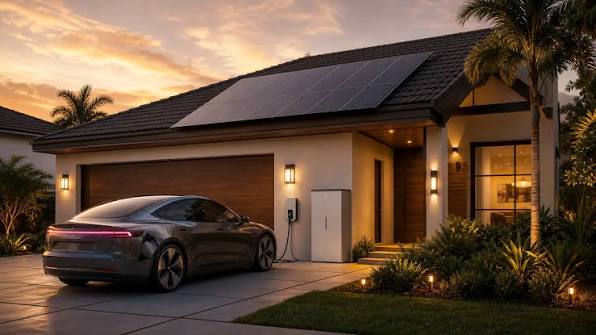
Modern homes are changing faster than ever. A house built today is not only expected to provide shelter and comfort but also support new technologies, energy solutions, and changing lifestyles for decades. Homeowners are now thinking beyond traditional designs and looking for ways to prepare their properties for solar power, electric vehicles, smart devices, and energy-efficient systems.
A future-proof home is designed with flexibility in mind. Instead of adding expensive upgrades later, homeowners can plan electrical systems, infrastructure, layouts, and materials that can support future technology improvements. This approach can increase property value, reduce long-term costs, and make daily living more convenient.
Designing a future-ready home does not mean installing every available technology immediately. It means creating a foundation that allows new systems to be added easily as needs change.
What Does a Future-Proof Home Mean?
A future-proof home is a property designed to adapt to technological, environmental, and lifestyle changes. Traditional homes are often built around current needs, but future-proof designs consider how homeowners may use their properties 10, 20, or even 30 years later.
A future-ready home usually focuses on:
- Flexible electrical infrastructure
- Renewable energy preparation
- Smart home compatibility
- Energy efficiency
- Durable building materials
- Easy maintenance
- Adaptable living spaces
The goal is not simply adding smart gadgets. It is creating a home that can evolve without requiring major reconstruction.
Plan Electrical Capacity Before Construction
One of the most important parts of future-proof home design is electrical planning. Many older homes were not built to handle modern energy demands such as electric vehicles, solar systems, heat pumps, and multiple smart devices.
Before construction or renovation, homeowners should consider increasing electrical capacity where possible.
Important planning areas include:
- Installing a larger electrical panel
- Adding extra circuits for future equipment
- Creating dedicated wiring routes
- Leaving available space for upgrades
- Preparing locations for outdoor electrical connections
A home with limited electrical capacity may require expensive upgrades later when adding advanced technology.
Prepare the Home for Solar Energy
Solar power is becoming a popular option for homeowners who want lower energy costs and greater independence from traditional electricity sources. Even if solar panels are not installed immediately, the home can be prepared for future installation.
Solar-ready design considerations include:
Roof Planning
The roof plays an important role in solar performance. A future-proof home should consider:
- Roof orientation
- Available sunlight exposure
- Structural strength
- Future roof replacement timing
A roof that is already damaged or near the end of its lifespan may require replacement before solar installation.
Electrical Preparation
During construction, builders can install pathways for solar wiring. This reduces future installation complexity and avoids unnecessary drilling or modifications.
Homeowners can also prepare space for:
- Solar inverters
- Battery storage systems
- Energy monitoring equipment
Battery Storage Planning
Solar batteries allow homeowners to store excess energy for later use. As battery technology improves, more households may adopt energy storage systems.
Planning a suitable location with proper ventilation and electrical access can make future upgrades easier.
Create an EV Charging-Friendly Home
Electric vehicles are becoming more common, and many homeowners are considering charging options before purchasing an EV. A future-proof home should include preparation for vehicle charging.
Important considerations include:
Garage Electrical Setup
A modern garage should have:
- Dedicated electrical circuits
- Proper outlet placement
- Enough power capacity
- Cable management options
Even if an EV charger is not installed immediately, the wiring preparation can save significant costs later.
Outdoor Charging Options
Not every homeowner parks inside a garage. Driveways and outdoor parking areas should also be considered during planning.
Installing underground conduits or electrical pathways during construction can make future charger installation much simpler.
Build a Strong Foundation for Smart Technology
Smart homes are expanding beyond basic devices like smart speakers and lights. Future systems may include automated energy management, security monitoring, climate control, and appliance communication.
A future-ready home should support smart technology infrastructure.
Key features include:
- Strong internet connectivity
- Ethernet wiring options
- Reliable Wi-Fi coverage
- Smart device compatibility
- Central control options
While wireless technology continues improving, having wired connections in important areas can provide better reliability for security systems, entertainment setups, and professional smart home installations.
Focus on Energy Efficiency First
Technology works best when combined with efficient home design. A poorly insulated home with smart devices will still waste energy.
Future-proof homes should prioritize:
Better Insulation
Quality insulation helps maintain indoor temperatures and reduces heating and cooling demand.
Efficient Windows
Energy-efficient windows can improve comfort by reducing heat transfer and lowering energy consumption.
Proper Air Sealing
Small gaps around doors, windows, and building materials can create energy loss. Professional air sealing improves efficiency and indoor comfort.
Efficient Heating and Cooling Systems
Modern HVAC systems are becoming smarter and more efficient. Preparing space and connections for future equipment upgrades can increase long-term flexibility.
Design Flexible Interior Spaces
Future-proofing is not only about technology. Lifestyle needs also change over time.
A room that works as a home office today may become a bedroom, studio, or entertainment space later.
Flexible design features include:
- Movable partitions
- Multi-purpose rooms
- Extra storage options
- Accessible layouts
- Adaptable furniture arrangements
This flexibility allows homeowners to adjust their homes without major remodeling.
Choose Durable and Upgrade-Friendly Materials
Building materials influence how easily a home can adapt in the future.
Durable materials may have higher upfront costs but can reduce replacement expenses over time.
Consider:
- Long-lasting flooring
- Weather-resistant exterior materials
- Quality plumbing components
- Durable roofing systems
- Easy-to-maintain finishes
A future-proof home should minimize frequent repairs while supporting new improvements.
Consider Home Automation and Energy Management
Future homes will likely become more automated. Smart systems may automatically adjust energy usage based on weather, occupancy, and electricity prices.
Examples include:
- Automated lighting controls
- Smart thermostats
- Energy monitoring systems
- Automated window shades
- Connected appliances
A well-planned home should have the infrastructure needed to support these technologies as they become more affordable.
Avoid Common Future-Proofing Mistakes
Many homeowners make mistakes when preparing their properties for future technology.
Common problems include:
Installing Technology Without Planning Infrastructure
Buying smart devices is easy, but without proper wiring and network planning, systems may become unreliable.
Ignoring Electrical Requirements
Future equipment often requires more power than older homes can provide.
Overlooking Maintenance Access
Technology systems need servicing. Installing equipment in difficult-to-reach locations can create problems later.
Focusing Only on Current Trends
Future-proof design should focus on flexibility rather than following every temporary technology trend.
Final Thoughts
A future-proof home is not about filling every room with expensive technology. It is about thoughtful planning that allows a property to adapt as energy systems, transportation, and smart solutions continue to evolve.
By preparing electrical systems, supporting solar installation, creating EV charging options, improving energy efficiency, and designing flexible spaces, homeowners can build properties that remain valuable and functional for many years.
The homes of the future will not simply be smarter; they will be easier to maintain, more efficient, and better prepared for changing lifestyles. Planning these features today can help homeowners avoid costly upgrades and enjoy a more comfortable living environment for decades.

