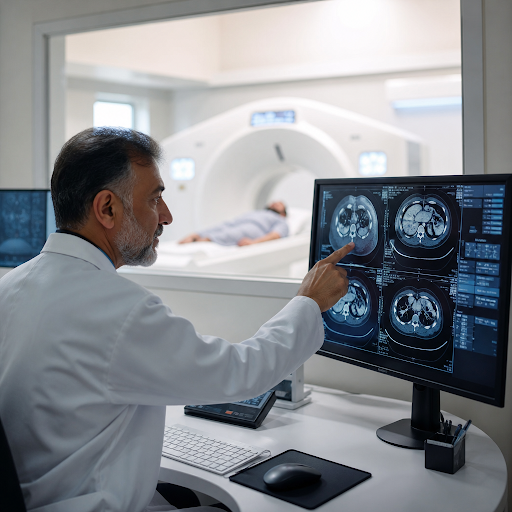
Cancer remains one of the most challenging diagnoses a person can face, yet the landscape of cancer care has shifted dramatically in recent years. While treatment advances capture headlines, a quieter revolution is happening in prevention and early detection—one that’s proving just as powerful in saving lives. Healthcare systems worldwide are investing heavily in structured screening programs that catch cancers before symptoms appear, when interventions are most effective and treatment options most abundant.
The numbers tell a compelling story. Colorectal cancer, for instance, has a five-year survival rate exceeding 90 percent when detected at stage one, compared to just 14 percent at stage four. Similar patterns hold across breast, cervical, and lung cancers. This dramatic difference has prompted healthcare institutions to rethink their approach, moving from reactive treatment models to proactive screening strategies that engage patients before disease takes hold.
The Science Behind Screening Success
Screening programs work by identifying precancerous changes or early-stage cancers in asymptomatic populations. Unlike diagnostic tests ordered after symptoms appear, screening targets healthy individuals based on risk factors such as age, family history, lifestyle, and genetic predisposition. The goal is to intercept disease progression at a point where intervention can fundamentally alter outcomes.
Modern screening protocols combine multiple technologies. Imaging techniques like mammography, low-dose CT scans, and colonoscopy provide direct visualization of tissues. Blood-based biomarker tests detect molecular signals of cancer activity. Genetic testing identifies individuals with hereditary cancer syndromes who require enhanced surveillance. Each modality carries its own sensitivity, specificity, and appropriate use cases, requiring careful clinical judgment to match the right test to the right patient.
The challenge lies in balancing benefit against harm. Screening can produce false positives that lead to unnecessary anxiety and invasive follow-up procedures. Overdiagnosis—detecting cancers that would never have caused symptoms during a patient’s lifetime—can result in overtreatment. Effective programs incorporate risk stratification to focus intensive screening on those who stand to benefit most, while minimizing exposure for lower-risk populations.
Nurses Leading the Charge in Patient Education
Behind every successful screening program stands a team of nurses who serve as educators, coordinators, and patient advocates. They explain complex medical concepts in accessible language, address fears about procedures, and help patients understand their individual risk profiles. This work extends far beyond clinical settings—nurses conduct community outreach, lead awareness campaigns, and work to dismantle cultural barriers that prevent underserved populations from accessing preventive care. Understanding the importance of proper hazard testing and removal for protecting indoor health highlights the broader role of health education in helping communities recognize environmental risks and make informed decisions about their well-being.
Navigation services, typically nurse-led, guide patients through the often fragmented healthcare system. When screening reveals abnormalities, navigators ensure timely follow-up, coordinate multidisciplinary consultations, and provide emotional support during the diagnostic process. This continuity of care proves especially valuable for patients facing language barriers, financial constraints, or limited health literacy.
Comprehensive Screening Approaches in Practice
Leading cancer institutes have developed integrated screening programs that address multiple cancer types through coordinated protocols. These programs recognize that patients at elevated risk for one cancer often face increased risk for others, making comprehensive assessment more efficient than fragmented single-disease screening.
For patients seeking structured preventive care in the Middle East, comprehensive programs like Cancer screening Abu Dhabi offer multidisciplinary evaluation that combines risk assessment, appropriate testing based on individual profiles, and direct pathways to specialist care when abnormalities are detected. These programs integrate genetic counseling for hereditary cancer syndromes, nutritional guidance for risk reduction, and surveillance protocols tailored to personal and family history.
The multidisciplinary model brings together medical oncologists, surgical specialists, radiologists, pathologists, and genetic counselors who collaborate on screening recommendations. Advanced diagnostic technologies, including AI-enhanced imaging analysis and liquid biopsy techniques, complement traditional screening methods. This integration ensures that when screening detects concerning findings, patients move seamlessly into diagnostic workup and treatment planning without delays that could compromise outcomes.
The Microbiome Connection and Emerging Research
Recent research has revealed unexpected connections between gut health and disease processes throughout the body. Scientists have discovered that the trillions of microorganisms inhabiting our digestive tract influence not only gastrointestinal health but also immune function, inflammation, and even neurological conditions. Studies have shown relationships between gut microbiome composition and various health outcomes, highlighting how interconnected our body systems truly are.
For cancer screening and prevention, microbiome research offers intriguing possibilities. Specific bacterial populations have been associated with colorectal cancer risk, while others appear protective. Researchers are investigating whether microbiome profiles could serve as biomarkers for cancer risk stratification, potentially identifying patients who would benefit from more intensive screening. Diet and lifestyle interventions that modify the microbiome might also play a role in primary prevention strategies.
Overcoming Barriers to Screening Participation
Despite proven benefits, screening participation remains suboptimal across many populations. Fear represents a significant barrier—fear of the procedure itself, fear of receiving bad news, and fear of treatment. Some patients operate under the misconception that screening is only necessary when symptoms appear, missing the fundamental point that early detection targets asymptomatic disease.
Cultural factors influence screening behavior. In some communities, discussing cancer carries stigma, or fatalistic attitudes discourage preventive action. Access issues—including cost, transportation, time constraints, and availability of gender-concordant providers—create practical obstacles. Healthcare systems are addressing these through mobile screening units, extended evening and weekend hours, culturally tailored education materials, and patient navigation services that help overcome logistical barriers.
Provider recommendation remains the strongest predictor of screening uptake. When physicians discuss screening as routine preventive care rather than optional, participation rates increase substantially. Electronic health record reminders, patient registries, and automated outreach systems help ensure no one falls through the cracks when they become eligible for screening.
Personalized Risk Assessment and Precision Screening
The future of cancer screening lies in personalization. Rather than applying uniform age-based protocols to all patients, precision screening tailors recommendations to individual risk profiles derived from genetic testing, family history, lifestyle factors, and biomarker analysis. Polygenic risk scores, which aggregate the effects of hundreds of genetic variants, can identify individuals who would benefit from earlier or more frequent screening.
For patients with hereditary cancer syndromes—such as Lynch syndrome, BRCA mutations, or familial adenomatous polyposis—screening protocols differ markedly from average-risk populations. These individuals require earlier initiation of screening, more frequent intervals, and often multiple screening modalities. Genetic counseling helps patients understand their inherited risk and make informed decisions about surveillance and risk-reduction strategies, including prophylactic surgeries in some high-risk scenarios.
Artificial intelligence is enhancing screening accuracy by assisting radiologists in detecting subtle abnormalities that might escape human observation. Machine learning algorithms trained on millions of images can identify patterns associated with early cancer that may not yet be visible to the unaided eye. These technologies don’t replace clinical judgment but augment it, potentially reducing both false negatives and false positives.
Building a Culture of Prevention
Transforming cancer outcomes requires more than technology—it demands a cultural shift toward prevention. Healthcare systems must prioritize screening programs with adequate funding, trained personnel, and quality assurance mechanisms. Employers can support employees by providing time off for screening appointments and covering associated costs. Communities benefit from public health campaigns that normalize preventive care and combat misinformation.
For individuals, the message is straightforward: understand your risk factors, know the recommended screening guidelines for your age and risk category, and establish care with providers who take prevention seriously. Cancer caught early is not just more treatable—it often requires less aggressive treatment, preserving quality of life while achieving cure. The investment of time and temporary discomfort in screening pays dividends that extend across decades.
As medical science continues advancing, the gap between early-stage and late-stage cancer outcomes will likely widen further. New targeted therapies and immunotherapies work best against minimal disease burden. Screening programs that deliver patients to specialists with small, contained cancers enable use of these powerful treatments under optimal conditions. Prevention and early detection aren’t alternatives to treatment innovation—they’re essential partners in the fight against cancer.

