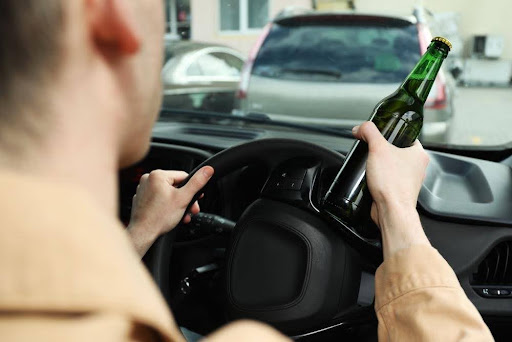
Justice should never depend on luck, especially after a crash caused by someone who chose to drive after drinking. The law offers protection, but many people never learn about it until they are already dealing with medical bills, insurance calls, and endless paperwork. Knowing victim rights after drunk driving accidents can help people understand what options may exist without making rushed choices or relying on confusing information during an already stressful time.
Many people believe the legal process is only about filing a claim, but there is much more involved. Every case follows its own path, and the available rights often depend on the facts, local laws, and evidence collected after the crash. A clear understanding of the basics makes every step feel less confusing, and that is exactly where this discussion begins today.
What Rights May Be Available After a Drunk Driving Crash
A drunk driving accident can affect health, work, finances, and daily life. While laws differ from one place to another, several legal protections are commonly available. These rights are not guarantees of a specific result, but they help people understand what they may be able to request through the proper legal process.
The Right to Seek Compensation
Many victims may have the ability to request compensation for medical costs, lost income, vehicle repairs, and other related losses. The amount depends on the facts of the case, available evidence, and the laws where the crash happened. A legal professional can explain how these rules may apply.
The Right to Fair Treatment
Insurance companies, courts, and other parties are expected to follow legal procedures. Victims should receive respectful communication and a fair chance to present information supporting their claim. Keeping records and responding carefully often helps protect this right throughout the process.
The Right to Present Evidence
Photos, medical records, police reports, witness statements, and repair estimates can all play an important role. Strong evidence helps create a clearer picture of what happened and supports the facts instead of opinions or assumptions.
The Right to Legal Representation
Many people choose to speak with a lawyer because legal procedures can become difficult. Professional guidance may help explain deadlines, paperwork, negotiations, and court requirements without leaving important details unnoticed.
How to Use These Rights Effectively
Having legal rights is only one part of the process. Using them wisely often depends on careful decisions and proper documentation. A thoughtful approach can make communication smoother while reducing avoidable mistakes that may slow a claim.
Keep copies of every medical record, bill, repair estimate, insurance letter, and police report in one place because organized documents are easier to review later. Write down important dates, phone conversations, and expenses so details remain accurate instead of depending on memory. Follow medical advice and attend recommended appointments because treatment records may become part of the overall documentation. If legal questions become difficult, speaking with a qualified lawyer may provide helpful guidance based on the specific facts of the case rather than general information found online.
Simple Tips That Can Make a Difference
- Report the accident to the proper authorities as required by local law.
- Take clear photographs of injuries, vehicles, and the accident scene if possible.
- Save receipts and documents connected to medical care or repairs.
- Read insurance documents carefully before signing anything.
- Stay truthful and consistent while sharing information with insurers or legal professionals.
- Keep personal notes about recovery, missed work, and other accident-related effects.
These simple habits may not decide the outcome alone, but they can help create a stronger record that supports the facts throughout the process.
A Better Understanding Brings Better Decisions
A drunk driving accident can leave people facing legal questions they never expected. Learning about available protections does not replace professional guidance, yet it helps people ask better questions and make informed choices at every stage. Understanding victim rights after drunk driving accidents gives people a stronger starting point for handling claims, protecting important records, and working through legal procedures with greater confidence while respecting the laws that apply to their individual situation.

