Introduction
Picking the right anchor winch for your vessel can completely change your boating experience. If you’re tired of tangled lines and difficult anchor retrieval, a drum-style boat winch might be the perfect solution. These systems are designed for high efficiency and reliability, taking the stress out of one of the most critical tasks on the water. This guide will walk you through the key factors to consider, helping you select a powerful and dependable anchor winch that makes every trip smoother and safer.
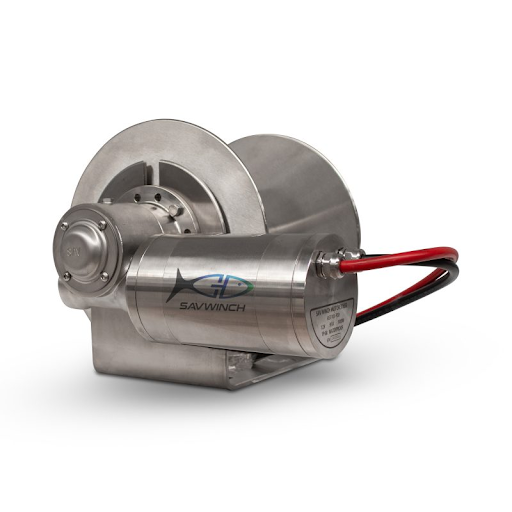
Savwinch Drum Winch Series: Key Factors in Choosing the Right Anchor Winch
Finding the perfect winch for your boat involves more than just picking the most powerful model. You need to understand how different winch types work and which one best fits your specific needs. From the size of your boat to the features that ensure reliability, every detail matters.
This section will explore the essential factors in your decision. We will examine how a drum winch operates, compare it to other options, and guide you in matching a winch to your vessel to ensure you make an informed choice.
1. Understanding How Drum Winches Work for Anchoring
At its heart, a drum winch operates on a simple yet powerful principle. It uses a motor to turn a large cylindrical drum, which then winds the anchor rope and chain neatly onto its surface. As the winch drum spools the line, it creates the pulling force needed to lift your anchor from the seabed. This straightforward mechanism is what makes it such a reliable boat winch.
The process is a fantastic example of converting rotational energy into linear pulling power. The motor provides the initial force, which is transferred to the drum. One end of your anchor line is secured to the drum, while the other is attached to your anchor. When activated, the drum rotates, shortening the line and pulling the anchor towards the boat with immense tension.
This design eliminates many common problems found in other anchor winch systems. Because the entire rode is spooled onto the drum, there’s no chance for it to tangle or jam in an anchor locker, ensuring smooth and predictable operation every time you drop or raise your anchor.
2. Comparing Drum Anchor Winches to Other Winch Types
When looking at different winch types, the drum anchor winch stands out for its simplicity and reliability. Unlike traditional windlasses that feed the rope and chain into a locker below deck, a drum winch keeps the entire rode spooled neatly. This design prevents the frustrating “bird’s nests” and jams that can occur when the line piles up incorrectly.
Another significant advantage is the automatic holding power. A drum winch is built with an oversized, self-locking gearbox. This means once you stop retrieving the anchor, the winch holds the load securely without needing to transfer the line to a cleat. It’s a one-touch system that simplifies the entire process. Furthermore, it works with any combination of rope and chain, adding to its versatility.
While a hydraulic winch offers continuous power for heavy industrial applications, an electric drum winch provides the ideal balance of power and convenience for recreational boating.
| Feature | Drum Winch | Traditional Windlass |
| Rode Management | Spools entire rode on a drum | Feeds rode into an anchor locker |
| Jamming Risk | Virtually zero; no tangles | Higher risk of tangles and jams |
| Operation | One-touch, with automatic holding | Often requires manually cleating off |
| Rode Compatibility | Works with any rope/chain combo | Requires specific splices for gypsies |
3. Matching Drum Winch Selection to Your Boat Size and Type
Selecting the perfect winch isn’t a one-size-fits-all situation. The most crucial factor is matching the drum winch to your boat’s specific size and displacement. A winch that’s too small will struggle to lift the anchor, putting unnecessary strain on the motor and electrical system. Conversely, an oversized winch adds needless weight to the bow.
To find the right fit, you need to consider the total weight of your ground tackle (anchor plus chain) and the typical anchoring conditions you face. Manufacturers provide guidelines based on boat length, but these are just a starting point. Think about the depth you usually anchor in and the potential for strong currents or winds, as these factors increase the load on your boat winch.
Here are a few key points to guide your selection:
- Boat Length and Weight: Check the manufacturer’s recommendations for your vessel’s size.
- Ground Tackle Weight: Calculate the total weight of your anchor and the full length of your chain.
- Available Space: A drum winch requires significant space in the anchor well, so measure the area before you buy.
- Holding Capacity: Ensure the winch’s holding capacity far exceeds the weight of your ground tackle for a safe margin.
4. Essential Features for Efficiency and Reliability in Drum Winches
To ensure you get an efficient drum winch that lasts, look for a few essential features that speak to its quality and performance. Robust construction is non-negotiable. Look for winches made from marine-grade stainless steel or other corrosion-resistant materials, as they will be constantly exposed to saltwater and harsh elements. A solid build ensures durability and longevity.
High efficiency is often tied to the motor and gearbox. A powerful electric motor paired with a well-engineered gearbox will provide the high capacity needed for heavy lifting without draining your battery excessively. An adjustable speed motor is another key feature, allowing for rapid free-fall deployment to set the anchor quickly and controlled, powerful retrieval when it’s time to head home.
Finally, never overlook safety features. An automatic braking system or self-locking gearbox is critical for holding the anchor securely without manual intervention.
- Robust Construction: Marine-grade materials prevent corrosion and ensure a long service life.
- Powerful Motor: A high-efficiency motor provides strong pulling power without excessive energy consumption.
- Variable Speed Control: Allows for both fast deployment and controlled retrieval.
5. Electric vs Manual Drum Winches: What Suits Your Setup?
The choice between an electric winch and a manual one comes down to convenience, power, and your boat’s setup. An electric boat winch does the hard work for you. With the push of a button, its electric motor engages the gearbox to retrieve your anchor smoothly and quickly. This is ideal for most boaters, especially those with heavier ground tackle or who anchor frequently.
A manual winch, on the other hand, relies on your physical effort. You turn a crank to operate the drum, which can be laborious and slow, particularly in rough conditions or deep water. However, manual winches are simpler in design, have fewer components that can fail, and don’t require any electrical wiring, making them a potential option for smaller boats or as a backup system.
For most modern boating applications, a heavy-duty electric boat winch is the superior choice. It offers unmatched ease of use, speed, and safety, allowing you to manage your anchor from the helm. While an electric winch has a higher initial cost and requires installation, the benefits in performance and convenience are well worth the investment.
Installation and Maintenance Tips for Drum Anchor Winches
Once you’ve chosen your drum winch, proper installation and maintenance are key to ensuring its durable design provides years of reliable service. A correctly installed anchor winch will deliver easy operation, while a simple maintenance routine will protect your investment from the harsh marine environment.
This section offers practical advice for mounting the winch on your vessel and outlines the routine checks you should perform. Following these tips will help you maintain your winch in top condition and ensure you can operate it safely every time.
Practical Advice for Installing a Drum Winch on Your Vessel
Installing a drum winch correctly is critical for both safety and performance. The first step is to choose a suitable location. The winch and drum require a significant amount of space, typically in the anchor well or a dedicated locker at the bow. Ensure the mounting surface is strong enough to handle the immense forces exerted during anchor retrieval. You may need to reinforce the deck with a backing plate made of marine plywood or stainless steel.
Proper electrical wiring is just as important. Your boat winch will draw a large amount of current, so use the manufacturer-recommended gauge of marine-grade wire to prevent voltage drop and overheating. The system should be wired with a circuit breaker or fuse to protect the electric motor. It’s often best to run dedicated wiring directly from the battery to ensure consistent power.
If you are not confident in your ability to handle the structural or electrical aspects of the installation, it is always best to hire a professional marine technician.
- Strengthen the Mounting Surface: Use a backing plate to distribute the load evenly.
- Use Heavy-Gauge Wiring: Prevent voltage drop and ensure the motor gets enough power.
- Install a Circuit Breaker: Protect the motor and your boat’s electrical system from overloads.
Routine Maintenance and Safety Precautions for Longevity
With its robust construction, a drum winch is built to last, but routine maintenance is essential to keep it in peak condition. After each use, rinse the entire anchor winch, including the rope and chain, with fresh water. This simple step helps remove salt deposits that can lead to corrosion and damage over time. Periodically inspect the electrical connections for any signs of corrosion and ensure they are tight.
When operating your drum winch, always follow key safety precautions. Keep hands, feet, and loose clothing away from the drum and anchor line while the winch is in motion. Never exceed the winch’s rated load capacity, as this can cause catastrophic failure. It is also wise to use your boat’s engine to take some strain off the winch when breaking the anchor free from the bottom.
This simple care routine will ensure your winch performs reliably for years to come.
- Rinse with Fresh Water: Wash down the entire system after every trip to prevent salt buildup.
- Inspect Electrical Connections: Regularly check for corrosion and ensure all connections are secure.
- Keep Clear During Operation: Never place hands or feet near the drum or line when the winch is active.
Conclusion
Choosing the right anchor winch is crucial for ensuring your boating experience is both safe and enjoyable. The Savwinch Drum Winch Series offers a variety of options tailored to meet different needs, whether you prioritise ease of use, performance, or specific boat compatibility. By understanding how drum winches operate, comparing them to other types, and considering essential features, you can make an informed decision that enhances your time on the water. Regular maintenance and proper installation will further ensure that your drum winch remains reliable for years to come. If you’re ready to elevate your boating adventures, explore the options that best suit your requirements and take the first step toward a smoother sailing experience!
Frequently Asked Questions
How does the weight capacity of a drum winch impact its performance?
The weight capacity of a drum winch is crucial. It determines the winch’s ability to perform heavy lifting and retrieve your anchor safely. A winch with insufficient capacity will struggle, overheat, and could fail. Always choose an anchor winch with a weight capacity that comfortably exceeds the total weight of your ground tackle for strong power and reliable performance.
What are the key features to consider when selecting an anchor winch from the Savwinch Drum Winch Series?
When selecting an anchor winch from this series, prioritise features that ensure durability and performance. Look for robust construction with marine-grade materials, high efficiency from a powerful motor and gearbox, and essential safety features like an automatic brake system. These elements combine to create a reliable and long-lasting drum winch.
Stay in touch to get more updates & news on Magazine!

