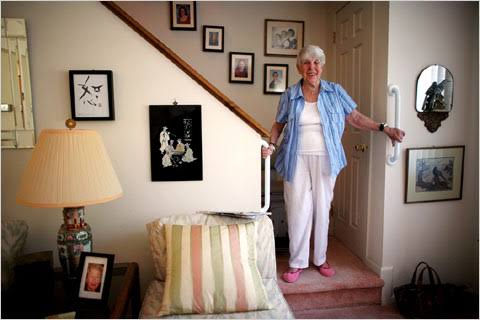
A safe and comfortable home environment is important for everyone. For older persons, it can be the foundation of independence and well-being. As mobility and health needs change, the home that was once perfectly suitable may present new challenges. Making thoughtful adjustments can significantly reduce risks and support a person’s ability to live confidently in their own space. Simple changes can make a world of difference.
Clearing Pathways to Prevent Falls
One of the most common risks in any home is the danger of trips and falls. Keeping floors and walkways clear is a simple but powerful first step. Clutter can accumulate over time, creating obstacles that are easy to overlook. Take time to organise rooms, ensuring there are wide, unobstructed paths from one area to another, especially in high-traffic zones like hallways and living rooms.
Lighting also has a significant impact on safety. Poorly lit stairs, corridors, and entrances can hide potential hazards. Upgrading to brighter bulbs and adding nightlights in key areas can improve visibility. Also, consider the flooring itself. Loose rugs or curled carpet edges are frequent causes of falls. It is best to secure them with double-sided tape or remove them completely. Even appropriate footwear, like well-fitting slippers with non-slip soles, can reduce the chance of a slip inside the home.
- Ensure all hallways and staircases are well-lit, day and night.
- Remove loose wires or cords from walking paths.
- Secure rugs firmly to the floor or use non-slip mats.
- Keep floors free from clutter like books, shoes, and boxes.
Enhancing Bathroom Safety
The bathroom presents a unique set of risks due to wet and slippery surfaces. Several modifications can make this space much safer. Installing grab bars next to the toilet and inside the shower or bath provides crucial support for sitting, standing, and moving around. These should be securely fixed to the wall to handle a person’s full weight.
Non-slip mats are essential both inside the bath or shower and on the floor outside it. A shower seat or bath bench allows a person to sit while washing, reducing the risk of losing their balance. For some, a raised toilet seat can make it easier to sit down and stand up. It is also helpful to set the water heater to a safe temperature to prevent scalds. Making these changes can transform the bathroom from a place of risk to one of comfort and security.
Creating a Safer Kitchen Environment
The kitchen is often the heart of the home, but it can also contain hidden dangers. Organising the kitchen for accessibility is important. Store frequently used items like plates, glasses, and common cooking ingredients on lower shelves or countertops. This avoids the need to stretch or use a step stool, which can lead to falls.
Fire safety is another primary concern. Ensure smoke alarms are fitted and tested regularly. It is also wise to have a fire extinguisher or fire blanket accessible and to know how to use it. Automatic shut-off devices for cookers can provide extra peace of mind. Check that electrical sockets are not overloaded and that appliance cords are in good condition to prevent electrical hazards. Good lighting over work surfaces also helps prevent accidents during food preparation.
A Practical Safety Scenario
Consider a person living alone who has started to find moving around at night more difficult. Their hallway to the bathroom is long and has only one dim overhead light. One evening, they get up and misjudge the location of a small side table, leading to a stumble. While they avoid a serious injury this time, the incident leaves them feeling anxious about moving around their home after dark.
Their family helps by installing motion-activated nightlights along the hallway floor. This simple and inexpensive change has an immediate effect. The path to the bathroom is now clearly illuminated whenever they need it, removing the guesswork and reducing the risk of another fall. This small adjustment restores their confidence and supports their continued independence at home, showing how a minor change can prevent a major incident and its associated costs and distress.
Supporting Independence at Home
Creating a safer home is an ongoing process that adapts to a person’s changing needs. It often involves small, practical steps that add up to a significant improvement in quality of life. These adjustments help minimise everyday risks and provide reassurance for both the older person and their family. A safe environment is fundamental to maintaining independence, dignity, and comfort.
Thinking ahead and addressing potential hazards can prevent accidents before they happen. Many resources are available to guide families through the process of making homes safer for older persons. With careful planning and thoughtful adjustments, a home can continue to be a place of security and happiness for years to come.

