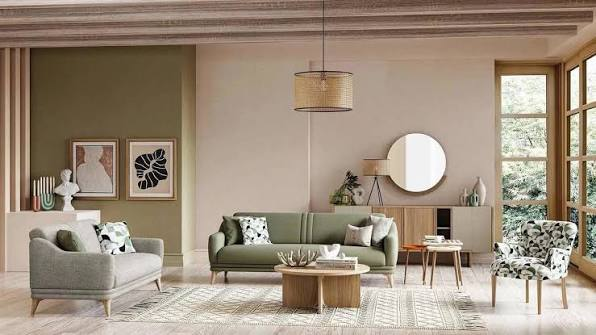
Elegance in a home is not about expense. It is about proportion, light, and restraint — rooms where every piece has a reason to be there, where colours sit quietly together, and where the details feel considered rather than crowded. A single well-chosen project, such as picture-frame moulding on a plain wall or floor-to-ceiling curtains on a small window, can make a room feel custom-built and calm.
The short answer is to start with the projects that change a room’s architecture and light: moulding, layered lighting, and a curated paint palette. Then refresh the details — hardware, window treatments, and textiles — that make the room feel finished. The projects below are ordered from the most transformative to the most decorative, so you can begin with one weekend and build toward a fully refreshed home.
What Makes a Room Feel Elegant Rather Than Merely New
Elegant rooms share a few quiet qualities. They have a clear focal point, a limited palette, and a mix of textures that reward a second look. They are not filled to the edges — there is space around the furniture, space on the shelves, and space for the eye to rest. That sense of breathing room is what separates an elegant space from a merely renovated one, and it costs nothing at all.
Elegance also comes from consistency. When the metal finishes match, the wood tones relate to each other, and the colours repeat in small ways from room to room, the home feels designed as a whole. You do not need matching furniture sets to achieve this — in fact, a room with one or two different pieces often feels more elegant than a room where everything matches perfectly.
Architectural Moulding Projects That Add Instant Elegance
Picture-frame moulding is the fastest way to give a plain room architectural character. Simple pine or polyurethane strips, spaced evenly along a wall and painted the same colour as the wall, create a tailored, European-inspired effect in a living room, dining room, or hallway. The project needs only a mitre saw, a nail gun or adhesive, and careful measuring — and it can be completed in a weekend.
Other moulding projects deliver the same effect at different scales. Taller baseboards, five to seven inches instead of the standard three, anchor a room and make it feel custom-built. Crown moulding softens the line where wall meets ceiling and draws the eye upward, while a ceiling medallion above a chandelier adds classical charm to a dining room or bedroom. Paint all trim in the same finish for a polished, intentional look.
- Measure and mark the moulding layout on the wall before cutting anything.
- Use paintable caulk at joints for a seamless, professional finish.
- Keep moulding profiles consistent across rooms for a cohesive home.
Layered Lighting Projects for a Warm, Elegant Glow
Elegant rooms are never lit by a single overhead fixture. They use three layers of light at different heights: ambient light from a statement chandelier or pendant, task light from table lamps and sconces, and accent light from picture lights or LED strips inside shelves. Together, these layers create pools of warm light that flatter the room and the people in it.
The most transformative lighting project is replacing a basic flush-mount fixture with a sculptural pendant or chandelier in aged brass, matte black, or milk glass. Wall sconces beside a mirror, a bed, or a reading chair add boutique-hotel polish, and they can be plug-in models if hardwiring is not practical. Choose warm bulbs between 2700K and 3000K, and put the main lights on dimmers so the room can shift from bright to intimate.
Curated Colour Palettes and Paint Projects for Elegant Walls
Paint is the most cost-effective decoration tool, and elegant rooms use it with intention. Warm, complex neutrals — soft off-whites with a hint of warmth, gentle greige, or muted sage — create a calm backdrop that makes furniture and art look better. A deep, moody colour in a dining room or study, such as a rich green or navy, adds drama and makes the space feel custom and luxurious.
Colour drenching — painting the walls, trim, and doors in one shade — is a simple project that makes a small room feel larger and more cohesive. In larger rooms, paint the doors a contrasting soft charcoal or deep tone to add architectural interest without a major commitment. Always test large swatches in the actual room for two days, because elegant colours depend on undertones that shift dramatically under different light.
Designer Hardware and Fixtures That Elevate Kitchens and Baths
Hardware is the jewellery of a home, and replacing it is a weekend project with an outsized return. Standard chrome knobs and plastic handles can make even beautiful cabinets look ordinary, while solid brass, matte black, or polished nickel hardware feels substantial and ages gracefully. Unlacquered brass is especially popular for elegant interiors because it develops a warm patina over time.
Apply the same thinking to taps, light switches, and door handles. A beautiful tap in the kitchen or bathroom, a set of matching door levers throughout the home, and even upgraded switch plates in a consistent finish will make the whole house feel considered. Keep one metal finish per room and repeat it at least twice, so the choice looks deliberate rather than accidental.
Floor-to-Ceiling Drapery and Window Projects That Add Height and Charm
Window treatments are one of the most underrated decoration projects. Hanging curtains just below the ceiling line, rather than directly above the window frame, makes ceilings look taller and windows look larger. Extend the rod several inches past the window on each side so the fabric frames the glass instead of blocking the light, and let the panels fall to the floor for a tailored finish.
Fabric choice matters as much as placement. Heavy linen, velvet, or a textured weave adds warmth and movement, while sheer panels soften harsh light without darkening the room. In bedrooms, lined curtains improve sleep and insulation as well as appearance. Choose a colour that relates to the room’s palette — a tone slightly darker than the walls, or a soft neutral that picks up the rug — and keep the hardware simple and consistent.
Textiles, Art, and Layered Styling for Elegant, Lived-In Rooms
Textiles are what make an elegant room feel lived in rather than staged. A large rug that fits under the front legs of all seating anchors the room, while cushions and throws in two or three related colours add softness and invite people to sit down. Swap cushion covers seasonally — linen and cotton in summer, velvet and wool in winter — for a refresh that costs almost nothing.
Art and styling should be personal, not perfect. One large piece of art above a sofa makes a stronger statement than ten small ones, and a gallery wall of framed prints, woven pieces, and a mirror feels curated when the frames are limited to two finishes. Leave some surfaces empty, group objects in threes, and include one thing with a story — a inherited vase, a travel souvenir, or a family photograph — so the room feels like yours.
Elegant Decoration Mistakes That Make Rooms Feel Overdone
The most common elegant-decoration mistake is adding too many statement pieces at once. A chandelier, a bold wallpaper, a patterned rug, and a gallery wall in the same room will compete with each other, and the room will feel busy rather than elegant. Choose one star per room and let the other elements support it quietly. Restraint is the whole secret of elegance.
Other mistakes include matching every metal finish, which makes a room feel stiff and showroom-like, and buying decoration before fixing the basics. A beautiful lamp cannot save a room with bad lighting, and expensive cushions cannot hide furniture that is the wrong size. Fix layout, light, and proportion first, then decorate. And avoid filling every surface — an elegant room always has somewhere for the eye to rest.
When Elegant Decoration Projects Need a Skilled Tradesperson
Most elegant decoration projects are safe DIY work: painting, hanging curtains, fitting hardware, and styling shelves. The boundary is anything that involves electricity, gas, or structural change. Hardwiring sconces or a chandelier, moving a light fitting, or installing a heavy mirror or piece of art on a plasterboard wall should be done by a qualified electrician or a skilled tradesperson who knows how to fix into the wall safely.
A professional is also worth hiring when the finish must be flawless — a perfectly mitred moulding run, a levelled picture-frame wall, or a set of curtains that hang exactly to the floor. Get written quotes, check that the tradesperson is insured, and agree the scope and materials in writing before work begins. A small professional job often costs less than fixing a DIY mistake.
Elegant Home Decoration FAQs for Modern Style and Charm
What is the cheapest way to make a room look elegant?
Paint, lighting, and decluttering cost the least and change the most. A fresh coat of paint in a warm neutral, a statement lamp or pendant, and a room with clear surfaces and a single focal point will look elegant without a large budget.
How high should I hang my curtains?
Hang the rod just below the ceiling line or crown moulding, and extend it several inches past the window frame on each side. Let the panels fall to the floor. This makes ceilings look taller and windows look larger, even in a small room.
Should all the metal finishes in a room match?
No — matching every finish can make a room feel stiff. Mixing warm and cool metals, such as brushed brass with matte black, adds depth and a curated feel. The rule is to repeat each metal at least twice so the mix looks intentional.
What paint colours make a home feel elegant?
Warm, complex neutrals such as soft off-whites, warm greys, and gentle earth tones create a calm, elegant backdrop. Add depth with one darker accent colour in a dining room or study, and repeat it in cushions or art so it feels deliberate.
Is picture-frame moulding difficult to install?
It is a manageable weekend project for a confident DIYer with a mitre saw and a nail gun or adhesive. The keys are careful measuring, marking the layout on the wall first, and using paintable caulk at the joints for a seamless finish.
How do I style a room without making it look cluttered?
Group objects in threes, leave some surfaces empty, and limit each room to one statement piece. Use a consistent palette, repeat colours in small ways, and remove one item from every surface before you consider the room finished.
Final Thoughts: Elegant Decoration That Brings Modern Style and Charm Home
Elegance is not a budget — it is a way of choosing. One well-placed moulding run, one warm layer of light, one calm palette, and a few details that feel personal will refresh a room more than a house full of new things. Start with the project that changes the room’s bones, add the details that make it yours, and leave space for the eye to rest. That is how a home gains modern style and charm that lasts, and how it keeps feeling elegant every single day.
| Decoration project | Elegance impact | Typical cost range | Difficulty |
| Picture-frame moulding | High — architectural character | Low | Moderate |
| Layered lighting and statement fixture | High — warm, inviting glow | Low to moderate | Easy to moderate |
| Curated paint palette | High — calm, cohesive rooms | Low | Easy |
| Designer hardware | Medium — jewellery for the room | Low | Easy |
| Floor-to-ceiling drapery | High — taller, grander rooms | Low to moderate | Easy |

