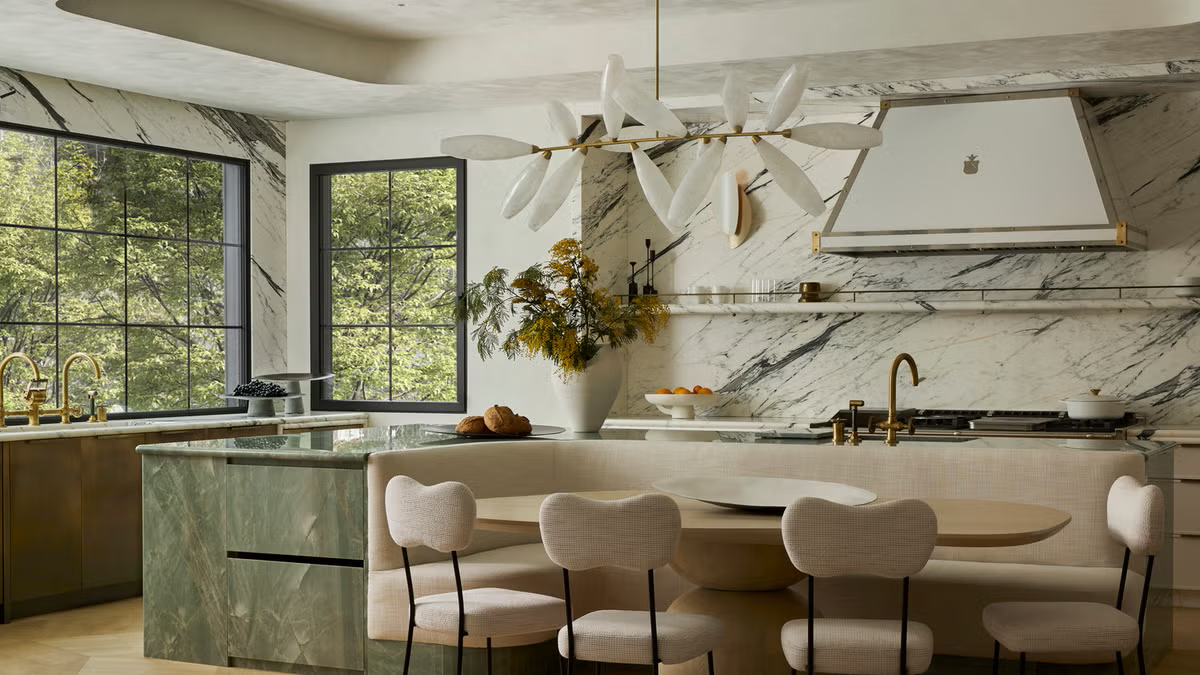
The kitchen is the hardest-working room in most homes, and it is also the room where a few creative upgrades make the biggest difference. A kitchen that is beautiful but hard to cook in will frustrate you every day, and a kitchen that is practical but ugly will never feel like the heart of the home. The best upgrades deliver both at once — a surface that looks wonderful and wipes clean, storage that hides clutter and keeps tools within reach, and light that flatters the room and the food.
The short answer is to start with the upgrades you touch every day: the worktop, the lighting, the storage, and the tap. Then add one statement feature — an island, a backsplash, or a set of beautiful cabinet fronts — that gives the kitchen its character. The ideas below are ordered by impact and cost, so you can begin today with a weekend project and build toward a bigger refresh when you are ready.
Start With a Kitchen Upgrade Plan That Matches How You Cook
Before buying anything, watch how you actually use your kitchen for a week. Do you cook big family meals or quick weekday suppers? Do you bake, entertain, or mostly reheat? Where do you chop, where do you plate, and where does clutter gather? The answers decide what matters most. A keen baker needs counter space and a stand mixer home; a busy family needs a large fridge, a dishwasher that copes, and a table where children can do homework while dinner cooks.
Once you know your pattern, draw the kitchen to scale and mark the work triangle between sink, hob, and fridge. Keep the distances comfortable — not so far apart that you walk miles, not so close that two people cannot pass. Then list your upgrades in order of daily impact, not visual drama. A deep drawer for pots will be used a hundred times more often than a decorative shelf, and it should be budgeted first.
- Note your busiest cooking times and where bottlenecks happen in the layout.
- Measure worktop heights and clearances before ordering appliances or cabinets.
- Keep a running list of items that have no proper home in the kitchen.
Statement Islands and Peninsulas That Add Beauty and Workspace
A kitchen island is the single most popular upgrade for a reason. It adds worktop space, storage, seating, and a natural gathering point in one piece of furniture. A waterfall worktop in quartz or stone gives the island a sculptural look, while a contrasting colour — deep navy, sage green, or warm wood — turns it into the room’s focal point. If space is tight, a peninsula attached to one wall delivers most of the benefit without blocking the walkway.
An island only works if the clearances are right. Allow at least 90 centimetres of walkway around it, and more if two people cook together. Seating needs about 60 centimetres of width per person and enough knee space to sit comfortably. Add power outlets on the side of the island for small appliances, and consider a prep sink if the main sink is far away. Done well, an island becomes the place where homework, coffee, and conversation all happen.
Cabinet Upgrades: Reface, Repaint, or Replace for a Fresh Kitchen
Cabinets cover the most visual area in a kitchen, so changing them transforms the room. If the cabinet boxes are solid, repainting or refacing is the smartest value — a professional spray finish in a modern colour can make twenty-year-old cabinets look new for a fraction of replacement cost. New handles in brushed brass or matte black, and soft-close hinges, complete the transformation for very little money.
Replacement makes sense when the layout is wrong, the boxes are damaged, or you need different storage. Modern cabinets offer deep drawers, pull-out larders, and internal organisers that older kitchens lack. When replacing, choose a door style that suits the house — flat slab doors for a contemporary look, shaker doors for a classic feel — and keep the finish consistent across the room so the kitchen reads as one designed space.
Countertops and Backsplashes That Change the Whole Kitchen
Worktops and backsplashes are the highest-impact surfaces in a kitchen because you see and touch them constantly. Quartz is the most popular choice for good reason: it is durable, non-porous, and available in colours from crisp white to dramatic veined stone. Butcher block adds warmth and suits a cottage or farmhouse kitchen, while granite offers natural variation that no engineered surface can copy. Costs vary widely by material and region, so get local quotes and treat any figure as a broad estimate.
The backsplash is where you can be creative without much risk. A classic subway tile is timeless, a handmade-look tile adds texture, and a full-height backsplash that runs to the ceiling makes a small kitchen feel taller and more expensive. Choose a grout colour that will not show stains, and seal natural stone properly. A bold backsplash is far easier to change than a worktop, so it is the safest place to try a strong colour or pattern.
Layered Kitchen Lighting for Cooking, Dining, and Evening Glow
Good kitchen lighting has three layers, and most kitchens only have one. Recessed ceiling lights give general brightness, pendant lights over an island or table add character and focused light, and under-cabinet LED strips illuminate the worktop exactly where you chop and read recipes. Together, they make the kitchen safer to cook in and far more pleasant to spend time in after dark.
Dimmers are essential in a kitchen, because the light you need for cooking is not the light you want for a late supper. Put the pendants and the under-cabinet strips on separate dimmers so you can shift the mood in seconds. Warm white bulbs around 2700K to 3000K flatter food and skin, while a slightly cooler light over the worktop helps you see clearly. In-cabinet and toe-kick lighting add a soft glow that makes the kitchen feel finished.
Smart Appliances and Taps That Make Kitchen Work Easier
Smart appliances earn their place when they remove a daily annoyance. A Wi-Fi-enabled oven that preheats on your way home, a fridge that keeps food visible and organised, and a dishwasher with a quiet cycle all make kitchen life smoother. Voice-activated or touchless taps are a genuine help when your hands are covered in dough or raw chicken, and a boiling-water tap removes the kettle from the worktop entirely.
Before buying, check the practical details: energy ratings, noise levels, and whether the appliance fits your existing space and connections. A beautiful fridge that is too deep for the alcove, or an induction hob that needs a new circuit, will cost far more than the sticker price. Choose appliances for the features you will use weekly, not the ones that impress in a showroom, and keep the finish consistent with the rest of the kitchen.
Kitchen Storage Upgrades That End the Daily Hunt for Space
Most kitchens do not lack space — they lack organised space. The most useful storage upgrades are pull-out drawers in base cabinets, a tall pull-out larder for dry goods, and a corner carousel that brings the back of a blind corner within reach. Drawer dividers for cutlery, a vertical rack for trays and chopping boards, and a dedicated drawer for spices will save you minutes every day.
Open shelving looks beautiful in photographs but is hard to maintain in a working kitchen, where grease and dust settle quickly. A better compromise is one open shelf for the few beautiful things you use daily, with everything else behind closed doors. A pantry cupboard near the fridge, hooks inside cabinet doors for measuring cups, and a charging drawer for phones keep the worktop clear and the kitchen calm.
Kitchen Upgrade Mistakes That Hurt Beauty and Functionality
The most expensive kitchen mistake is choosing beauty over function. A white marble worktop that stains, open shelves that collect grease, or a trendy dark floor that shows every crumb will look tired within months. Choose materials for the life you actually live — durable, wipeable, and forgiving — and save the drama for things that are easy to change, like paint, art, and accessories.
Other common mistakes include skimping on lighting, placing the hob too far from the sink, and forgetting about ventilation. A kitchen without a proper extractor will fill the house with cooking smells and grease, no matter how beautiful it looks. Plan the extractor early, allow enough worktop beside the hob for hot pans, and always leave a landing space next to the fridge and oven so you are never carrying a hot dish across the room.
When Kitchen Upgrades Cross Into Work for a Licensed Professional
Painting cabinets, fitting shelves, and replacing handles are safe DIY projects, but most kitchen upgrades cross into professional territory quickly. Moving a gas hob, relocating a sink, adding a new circuit for an induction hob, or removing a wall all require licensed professionals, and local rules usually demand permits and inspections. Water and gas mistakes are not just expensive — they can be dangerous.
A professional kitchen fitter is also worth hiring when the finish must be exact. Worktops need precise templating, cabinets must be levelled perfectly, and a poorly fitted kitchen will show its flaws every day. Get at least three written quotes, check references and insurance, and agree the full scope, materials, timeline, and payment schedule in writing before any work begins.
Creative Kitchen Upgrade FAQs for Beauty and Functionality
What is the best first kitchen upgrade on a small budget?
Paint the cabinets, change the handles, and add under-cabinet lighting. Those three changes transform the look and feel of a kitchen for a modest cost, and they can all be done in a weekend. A new tap and a fresh backsplash are the next best value.
Should I reface or replace my kitchen cabinets?
Reface or repaint when the cabinet boxes are solid and the layout works — it costs far less and causes less disruption. Replace when the layout is wrong, the boxes are damaged, or you need modern storage such as deep drawers and pull-out larders that the old cabinets cannot provide.
Which worktop material is best for a busy family kitchen?
Quartz is the most practical choice for most families because it is durable, non-porous, and easy to clean. Butcher block is warm and repairable but needs regular oiling, while granite is beautiful and heat-resistant but needs sealing. Choose based on how much maintenance you are willing to do.
How much walkway space do I need around a kitchen island?
Allow at least 90 centimetres of clear walkway around an island, and more if two people cook together or a dishwasher door opens into the path. Seating needs about 60 centimetres of width per person and enough knee room to sit comfortably.
Is a boiling-water tap worth it?
For households that make tea, coffee, or instant meals several times a day, a boiling-water tap saves time and frees the worktop from a kettle. It is a moderate-cost upgrade that needs a power supply and occasional filter changes, so weigh the convenience against the running cost.
How can I make a small kitchen feel bigger?
Use light colours, a full-height backsplash, and reflective surfaces such as glass or gloss cabinets to bounce light around. Keep worktops clear, choose a rug-free floor, and run the same flooring into the adjoining room so the space reads as one larger area.
Final Thoughts: A Kitchen That Is Beautiful to Look At and Easy to Cook In
A creative kitchen upgrade is not about the most expensive appliance or the trendiest finish. It is about a room where cooking feels easy, cleaning feels quick, and gathering feels natural. Start with the surfaces you touch every day, add light and storage that work for your real cooking habits, and finish with one statement feature that makes the kitchen yours. Do that, and your kitchen will bring beauty and functionality to your home every single day.
| Kitchen upgrade | Beauty impact | Function gain | Typical cost range |
| Statement island | High — focal point | High — workspace and seating | Moderate to high |
| Cabinet repaint or reface | High — whole room changes | Medium — new handles and hinges | Low to moderate |
| Quartz worktop | High — clean, modern look | High — durable, easy to clean | Moderate to high |
| Layered lighting | High — mood and warmth | High — safer cooking | Low to moderate |
| Pull-out storage | Low — hidden | High — ends clutter | Low to moderate |

