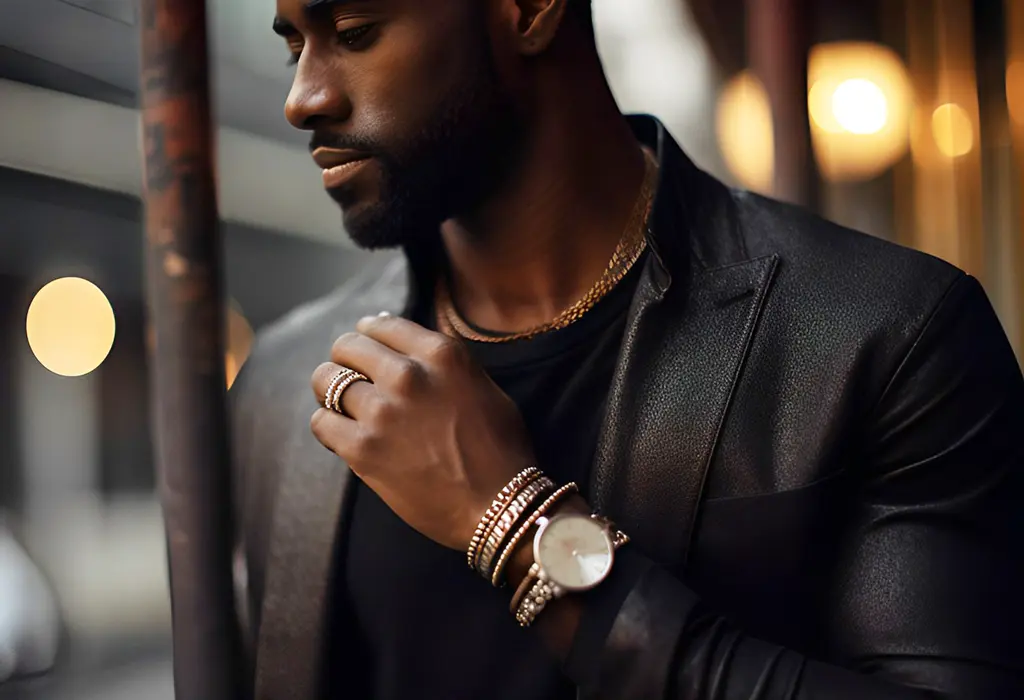
Fashion accessories are more than just finishing touches. The right handbag, watch, sunglasses, belt, or piece of jewelry can elevate even the simplest outfit. On the other hand, poor accessory choices can waste money, clutter your wardrobe, and leave you with items you rarely use.
Many shoppers buy accessories based on impulse, trends, or discounts without considering how those items fit into their personal style or daily life. Understanding the most common mistakes can help you make smarter purchases that offer better value and long-term satisfaction.
Buying Without a Plan
One of the biggest mistakes is shopping without knowing what you actually need. It’s easy to get attracted by a stylish handbag or trendy sunglasses, but if they don’t match your wardrobe, they may never be used.
Before shopping, look through your closet and identify what’s missing. Consider your lifestyle, favorite colors, and the occasions you dress for most often. A simple shopping plan helps prevent unnecessary purchases.
Following Every Trend
Fashion trends change quickly. What’s popular today may look outdated next season. Buying every trending accessory often leads to a collection of items that quickly lose their appeal.
Instead, focus on timeless pieces that remain stylish year after year. Classic watches, leather belts, neutral handbags, pearl earrings, and simple necklaces rarely go out of fashion. You can always add a few trendy pieces without making them the foundation of your collection.
Ignoring Quality
Many people choose accessories based only on price. While saving money is important, extremely cheap products often wear out quickly, fade, peel, or break after limited use.
Pay attention to:
- Material quality
- Stitching
- Metal finish
- Zippers
- Clasps
- Brand reputation
- Customer reviews
A well-made accessory may cost more initially but usually lasts much longer.
Choosing Style Over Comfort
Accessories should not only look good but also feel comfortable.
Heavy earrings can hurt your ears. Tight bracelets may become uncomfortable after a few hours. Poorly fitted watches leave marks on your wrist, while uncomfortable shoes or belts can ruin your entire day.
Always try accessories before buying whenever possible.
Buying the Wrong Size
Sizing isn’t limited to clothing. Accessories also need the proper fit.
Common sizing mistakes include:
- Belts that are too short or too long
- Rings that don’t fit properly
- Watches with oversized faces
- Bracelets that slide excessively
- Hats that feel too tight
Always check sizing guides and measurements before ordering online.
Ignoring Your Personal Style
Many shoppers purchase accessories simply because influencers or celebrities wear them.
Fashion should reflect your own personality rather than someone else’s. If your wardrobe is minimal and classic, oversized colorful accessories may rarely be worn. Likewise, someone with a bold style might find plain accessories too limiting.
Choose pieces that naturally complement your everyday clothing.
Buying Everything in One Color
Black accessories are practical, but relying only on one color can make your collection less versatile.
Consider adding accessories in shades like:
- Brown
- Tan
- White
- Navy
- Silver
- Gold
- Beige
Neutral colors offer flexibility while giving outfits more variety.
Forgetting Versatility
Some accessories only work with one specific outfit. Although unique statement pieces have their place, they shouldn’t dominate your collection.
Versatile accessories can be worn:
- At work
- During travel
- At casual gatherings
- For formal events
The more often you can wear an accessory, the better value it provides.
Overlooking Material
Different materials require different levels of care.
Leather develops character over time but needs conditioning. Fabric bags may stain more easily. Metal jewelry can tarnish if not stored correctly. Synthetic materials may crack with age.
Understanding maintenance requirements helps you choose accessories that fit your lifestyle.
Not Considering Your Lifestyle
Someone who travels frequently has different needs than someone working in an office every day.
Think about how you’ll actually use an accessory.
For example:
- Travelers benefit from lightweight crossbody bags.
- Professionals may prefer structured leather totes.
- Fitness enthusiasts often choose durable smartwatches.
- Outdoor activities require polarized sunglasses.
Practicality matters just as much as appearance.
Ignoring Wardrobe Compatibility
Before purchasing an accessory, ask yourself how many outfits it will match.
A bright neon handbag might seem exciting in the store but may only complement one outfit at home.
A useful guideline is that an accessory should coordinate with multiple outfits before earning a place in your wardrobe.
Buying Counterfeit Products
Fake designer accessories often seem like bargains, but they’re usually made with lower-quality materials and poor craftsmanship.
Instead of chasing logos, choose authentic products within your budget. Many affordable brands produce stylish, durable accessories without the premium designer price.
Forgetting Seasonal Needs
Accessories should suit the season.
Heavy scarves and dark leather gloves are ideal for winter, while straw hats, lightweight scarves, and UV-protective sunglasses are better suited to summer.
Building a small seasonal collection keeps your wardrobe functional throughout the year.
Not Reading Online Reviews
Online shopping offers convenience, but product photos don’t always reflect reality.
Before purchasing:
- Read customer reviews.
- Check buyer photos.
- Review size information.
- Look for comments about durability.
- Confirm return policies.
These steps reduce the risk of disappointment.
Spending Beyond Your Budget
Luxury accessories can be tempting, but overspending often leads to regret.
Set a budget before shopping and prioritize quality over quantity. A few carefully chosen accessories usually outperform a large collection of inexpensive items that rarely get used.
Neglecting Care and Storage
Even premium accessories won’t last if they’re poorly maintained.
Simple care habits include:
- Store jewelry separately to prevent scratches.
- Keep leather bags stuffed to maintain their shape.
- Clean sunglasses with microfiber cloths.
- Hang belts instead of folding them tightly.
- Store watches in protective cases.
Regular maintenance extends the life of every accessory.
Buying Impulsively During Sales
Discounts create urgency, encouraging purchases that aren’t actually needed.
Before buying a sale item, ask yourself:
- Would I buy this at full price?
- Does it match my wardrobe?
- Will I wear it regularly?
- Do I already own something similar?
If the answer is no, it’s probably not a worthwhile purchase.
Ignoring Functionality
An accessory should solve a problem or improve your daily routine.
For example:
- A handbag should have enough compartments.
- A wallet should fit your essentials.
- Sunglasses should provide proper UV protection.
- A backpack should distribute weight comfortably.
Practical features are just as important as appearance.
Trying to Match Everything Perfectly
Many people believe every accessory must match exactly.
Modern fashion is more flexible. Mixing metals, combining textures, and coordinating complementary colors often creates a more interesting and contemporary look than perfectly matched accessories.
Balance is more important than uniformity.
Final Thoughts
Buying fashion accessories should be a thoughtful investment rather than an impulse decision. By focusing on quality, comfort, versatility, and your personal style, you can build a collection that serves you for years instead of months.
The best accessories are the ones you genuinely enjoy wearing. When you choose carefully, maintain them properly, and avoid common shopping mistakes, every purchase becomes a valuable addition to your wardrobe instead of another forgotten item sitting in a drawer.

