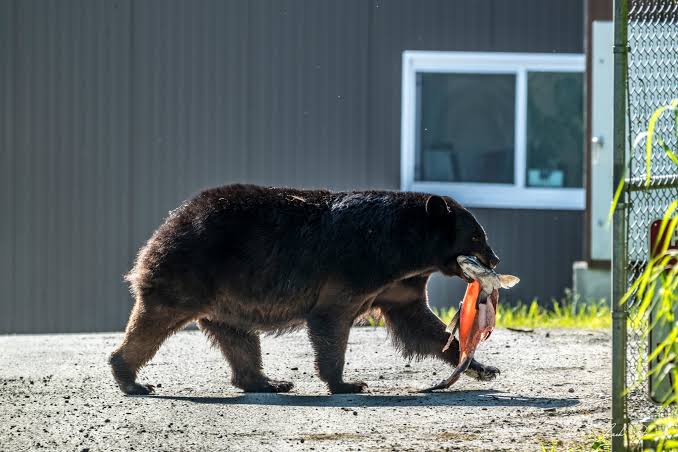
Most cruise passengers get about six hours ashore. A bear doesn’t care about that. Neither does the tide — neither does the salmon run that pulls the animals out of the woods in the first place.
That’s the catch with any Alaska bear safari. The bucket-list photo is real, but it happens on nature’s clock, not the ship’s. After twenty-plus years running boats through these waters, I’ve watched a brown bear stroll onto a creek bank ten minutes after a group gave up and walked off. I’ve also seen empty banks all afternoon. Neither one means the trip failed.
So what separates a great day from a wasted one? Mostly it’s a handful of choices you make before you ever step aboard. Get them right, and the all-aboard whistle becomes an afterthought. Get them wrong, and you’re watching the clock instead of the bears.
Why a Boat Changes Everything: Alaska Bear Viewing From the Water
A skipper idles the engines on a falling tide, and a brown sow walks out of the spruce onto a gravel bar fifty yards off the bow. Nobody on deck says a word. That’s the moment people book a trip for, and it’s why an Alaska bear safari run from a boat feels different from anything on land.
How Boat-Based Viewing Differs From Fly-In Bear Camps and Roadside Stops
Fly-in camps put you on a beach for a few hours. Roadside stops give you whatever wanders past the pullout. A boat gives you the shoreline itself.
Here’s what most folks miss: bears don’t treat a quiet vessel as a threat. Hold steady, keep your voices low, and they’ll keep fishing. On a covered, heated boat, you stay warm and dry, and the ride in is part of the show. Whales, eagles, and sea lions often turn up on the way.
- Fly-in camps: long stretches on the ground, weather-dependent flights
- Roadside stops: luck of the draw, little guide control
- Boats: steady footing, a skipper reading tides and recent sightings
Why Salmon Run Timing Decides Where Bears Show Up
Bears follow fish. Period.
In Southeast Alaska, the pink and chum runs usually peak from July into August, and that’s when creek mouths fill with feeding bears, both black and brown. Show up in June or September, and you may see an empty stream. Match your dates to the run, and the odds change hard in your favor.
Picking the Right Spot: Best Places to See Bears in Alaska Without Leaving Your Port Window
Distance decides everything. A cruise passenger with a hard all-aboard time can’t chase bears across half the state, and the best Alaska bear safari for that traveler is the one that gets you back to the gangway with room to spare.
Observatory Sites in the Tongass National Forest Versus Katmai and Kodiak
Katmai and Kodiak are famous, and they earn it. But both need flights, usually a full day, and weather delays that a ship won’t wait out. For a tight port stop, the Tongass National Forest works better. Its salmon streams draw brown and black bears every summer, and a short boat ride puts you at a managed observatory on a creek, with a gravel trail and a viewing deck.
- Tongass observatory: boat ride of about an hour, roughly three hours on site, July through August.
- Katmai or Kodiak: bigger bears and famous falls, but long transfers and no slack in the schedule.
Rules matter at both. No food on the trail. Follow your guide’s lead, every time.
Black Bear Versus Grizzly Bear Viewing: What You’ll Actually See
Expect black bears more often than grizzlies near the coast. They’re smaller, quicker to climb, and often dark brown or even cinnamon (color tells you little). Brown bears are heavier, with a shoulder hump and a dished face. At a salmon creek in peak run, you may see both within an hour. Photographers should bring a long lens and patience.
Bear Safety Rules Every Passenger Should Know Before Stepping Ashore
Think a bear viewing stop works like a zoo visit? It doesn’t. On any Alaska bear safari, the rules you hear at the dock are what keep a bucket-list morning from turning into a bad story. Twenty-plus years on these waters taught one captain this: bears forgive a lot, but they don’t forgive food.
Why Food Rules, Group Size and Guide Direction Matter
A grizzly’s nose beats any dog’s.
One granola bar in a jacket pocket can pull a bear straight toward a trail. That’s why observatories like the ones in the Tongass National Forest ban food outright.
- Eat before you land. Nothing edible goes on the trail or the viewing deck.
- Stay in your group. Trails often cap numbers, and larger parties split in two.
- Follow your guide, every time. If they say stop, you stop. Don’t ask why first.
- Keep your voice low. Bears read sudden noise as a threat.
Bear spray and trained guides are the backup. Your behavior is the plan.
What the Real Numbers Say About Bear Attacks in Alaska
So how risky is it, really? Fatal attacks are rare. The state averages roughly one or two bear-caused deaths a year, against millions of visitors. Most involve hunters, anglers, or hikers who surprised a bear, not people on managed viewing platforms.
Rare, though, isn’t zero. Respect the rules and the odds stay strongly in your favor.
Planning Around Tides, Weather and the All-Aboard Clock
Roughly 1 hour each way. That’s the boat ride on a typical Alaska bear safari by water, and it eats a big slice of a 6-hour port stop. Tides and wind can shift it by 20 minutes either direction. Build your day backward from all-aboard, not forward from the dock.
Here’s the rule: ask for the latest return time, then subtract 60 minutes for your own cushion. Skip anything that doesn’t leave you that.
Questions to Ask Before You Book: Boat Comfort, Walking Distance, Age Limits and Viewing Time
Four answers matter most:
- Boat comfort: Is the cabin covered and heated? Is there a bathroom onboard?
- Walking distance: A half-mile on gravel and wood bridges is common. Ask about stairs too.
- Age limits: Many guides recommend age 5 and up. Bears react to infant sounds and smells.
- Viewing time: Ask for hours at the observatory, not hours on the tour.
Packing, Photography and Realistic Expectations for a Grizzly Bear Tour in Alaska
Bring rain gear, a warm layer, and a zoom lens (200mm minimum).
Leave food in your pack or on the boat, because it’s not allowed on the trail. Guides enforce that rule for good reason.
And set your expectations honestly. Wild bears don’t keep schedules. Some days they’re close enough to hear chewing. Others, they’re a distant glimpse through the trees. Follow your guide’s directions every time — you’ll come home safe with a story worth telling.
Bears don’t care about your all-aboard time. That’s the whole planning problem, and it’s why the best Alaska bear safari starts on paper, weeks before the ship ever docks.
Three things carry the most weight.
Timing comes first: salmon runs decide where the bears are — a trip booked outside that window is a coin flip. Rules come second. No food on the trail, small groups, and guides who’ll move you the second a bear shifts its weight aren’t red tape (they’re the reason the day ends well). Third, the clock. A boat ride that runs long isn’t a bonus when the gangway lifts at a fixed hour.
Skip the vague promises. Ask any operator four questions: how long will we spend at the viewing site, how far is the walk, what’s the youngest age you recommend, and when will we be back at the dock? A straight answer to all four means you’re talking to someone who runs the water daily.
Before you book, pull up your ship’s port schedule, count back from the all-aboard time, and send those four questions in writing. Then hold the operator to every answer.

