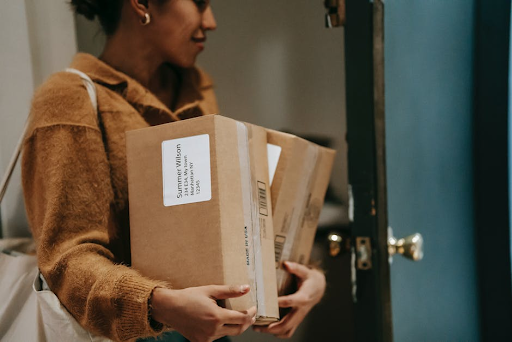
Have you ever opened a package and noticed the box before the product?
Good packaging does more than hold an item in place. It protects goods, supports the brand, and helps customers feel confident before they even use what they bought. For growing brands, the right materials and custom choices can also cut waste, reduce damage, and make shipping smoother.
This article explains how professional packaging materials and custom options can help businesses create stronger, safer, and more memorable product experiences. Read on!
Why Packaging Materials Matter
Good packaging is often the first physical touchpoint between a brand and a customer. If the box, pouch, label, or container feels weak, the product may feel less reliable too. Strong materials help protect the item while also setting the tone for the full customer experience.
The best material depends on the product, shipping needs, and brand goals. Food, beverage, pet, wellness, and home products may each need different levels of strength, barrier protection, and shelf appeal. Choosing the right option early can prevent costly changes later.
How Custom Packaging Supports Branding
Custom packaging helps a product stand out in a crowded market. Colors, finishes, shapes, and labels can make a simple item feel more polished and intentional. That matters because shoppers often judge quality before they read every detail.
A custom design also makes the brand easier to remember. When packaging looks consistent across products, customers can spot the brand faster next time. This is where Packaging Options USA can fit naturally into a brand’s packaging plan.
Common Packaging Options for Products
Brands can choose from many packaging types based on how the product is stored, shipped, and displayed. Boxes work well for structure, while pouches can be light, flexible, and easy to stock. Glass, tins, labels, and displays can also support different retail goals.
Each option has tradeoffs, so the choice should match the product’s real needs. A fragile item may need stronger support, while a lightweight item may need flexible packaging to save space. The best packaging protects the product without adding needless bulk.
The Role of Samples and Testing
Samples help brands see and feel packaging before they commit to production. This step can reveal issues with size, finish, color, or product fit. It is much easier to fix those details before a full order is made.
Testing also helps reduce waste and delays. A sample can show whether packaging opens well, stacks cleanly, and protects the item during handling. When brands test first, they make smarter choices with more confidence.
Balancing Cost and Quality
Cost matters, but cheap packaging can become expensive if it causes damage or poor reviews. A broken seal, crushed box, or faded label can hurt trust fast. Good packaging should protect the product and support the brand without wasting money.
Wholesale production, low minimum order options, and smart material choices can help brands manage budgets. This is especially useful for startups that want to launch, test, and scale without overbuying. A balanced plan keeps quality high while avoiding unnecessary spending.
Pack With Purpose
Professional packaging is not just about looks. It helps products arrive safely, supports brand trust, and makes the buying experience feel complete. The right material can also make storage, shipping, and retail display easier.
Every brand should think of packaging as part of the product itself. When packaging is planned with care, customers notice the difference and remember the brand.
Did you like this guide? Great! Please browse our website for more!
Stay in touch to get more updates & news on Magazine!

