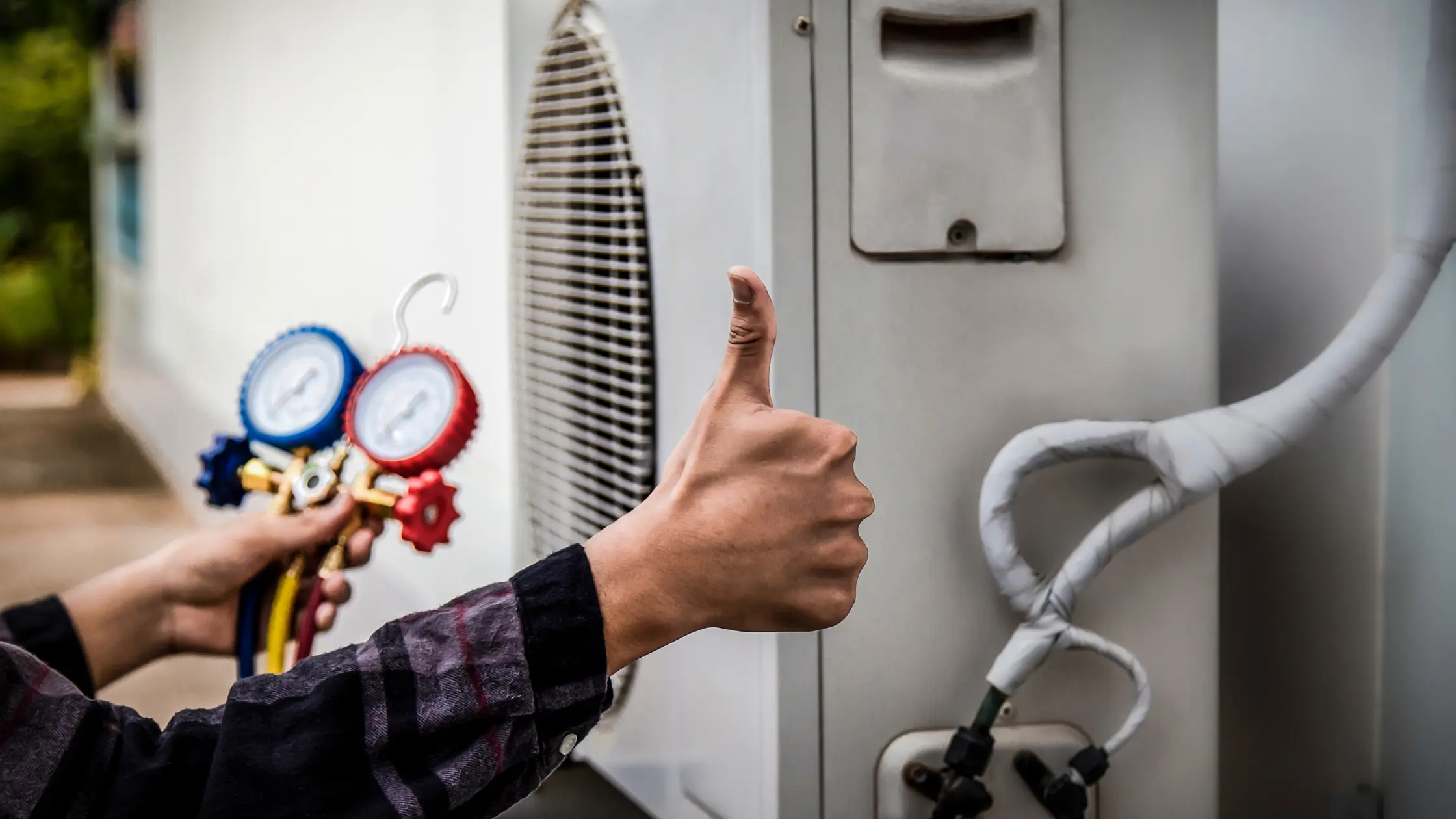
Comfort at home is often taken for granted—until it’s disrupted. Few systems play a bigger role in daily comfort than heating and air conditioning, yet HVAC systems are also among the most overlooked when it comes to proactive care. For homeowners, understanding how preventive HVAC maintenance works—and why it matters—can lead to lower costs, better performance, and fewer stressful breakdowns.
Rather than reacting to problems when something goes wrong, many homeowners are shifting toward a more intentional approach to system care. Preventive HVAC strategies help ensure year-round comfort while protecting one of the most expensive mechanical systems in a home.
The Hidden Cost of Ignoring HVAC Maintenance
An HVAC system doesn’t usually fail all at once. Problems build gradually: dust accumulates, parts loosen, airflow becomes restricted, and efficiency declines. Without routine inspections, these small issues often go unnoticed until they trigger a major malfunction.
Neglecting maintenance can lead to:
- Higher energy bills due to inefficient operation
- Uneven temperatures throughout the home
- Shortened equipment lifespan
- Emergency repairs during peak seasons
In contrast, routine maintenance helps systems operate as designed, especially during periods of extreme heat or cold when demand is highest.
How Preventive Maintenance Protects System Performance
Preventive HVAC care focuses on identifying potential issues before they become serious. During a typical service visit, technicians inspect, clean, and test critical components to ensure everything is operating safely and efficiently.
Key benefits include:
Improved Energy Efficiency
Clean coils, proper airflow, and calibrated thermostats all contribute to smoother operation. When a system doesn’t have to work harder than necessary, it uses less energy to maintain comfortable indoor temperatures.
Fewer Unexpected Breakdowns
Routine inspections often catch worn parts, electrical issues, or refrigerant problems early. Addressing these concerns proactively reduces the risk of sudden system failures at the worst possible time.
Longer Equipment Lifespan
HVAC systems are a long-term investment. Preventive care reduces strain on components, helping systems reach—or even exceed—their expected service life.
HVAC Maintenance Isn’t One-Size-Fits-All
Every home has different comfort demands. Factors like home size, insulation quality, climate, and usage patterns all influence how hard an HVAC system works. That’s why professional assessments matter.
A qualified HVAC provider can recommend a maintenance schedule and service plan tailored to your specific system and environment. Homeowners looking to understand what professional HVAC care typically includes can explore educational resources available at cowboysac.com, which outlines common service approaches and homeowner considerations.
Beyond Temperature: Comfort Is About Air Quality
Modern HVAC care goes beyond heating and cooling. Indoor air quality plays a major role in overall comfort, particularly for households concerned about dust, allergens, or humidity levels.
Preventive services may also address:
- Air filter performance
- Duct cleanliness and airflow balance
- Humidity control
- Ventilation efficiency
When airflow is optimized and air is properly filtered, homes often feel more comfortable even at slightly higher thermostat settings—another way preventive care supports energy savings.
Planning Ahead with Seasonal Service
One of the most effective strategies homeowners use is scheduling maintenance ahead of peak seasons. Cooling systems benefit from spring inspections, while heating systems should be checked before colder months arrive.
Seasonal service helps ensure:
- Systems are ready before heavy use begins
- Minor issues don’t escalate under increased demand
- Homeowners avoid long wait times during busy periods
This approach is especially valuable in regions with extreme seasonal temperature swings, where HVAC systems are under constant pressure.
Choosing the Right HVAC Service Provider
Preventive maintenance is only as effective as the professionals performing it. Homeowners should look for HVAC providers who prioritize education, transparency, and long-term system health rather than quick fixes.
Key qualities to consider include:
- Clear explanations of recommended services
- Honest assessments without pressure tactics
- Consistent maintenance processes
- Experience with a wide range of system types
A strong HVAC partnership focuses on keeping systems reliable year after year, not just responding to emergencies.
Small Steps That Make a Big Difference
Homeowners can also support preventive care between professional visits by adopting simple habits:
- Replacing air filters regularly
- Keeping vents unobstructed
- Monitoring unusual noises or performance changes
- Scheduling service at the first sign of inefficiency
These small actions complement professional maintenance and help extend system reliability.
Conclusion: Comfort That’s Planned, Not Reactive
Preventive HVAC care is one of the most practical ways homeowners can protect comfort, control costs, and reduce long-term stress. By focusing on routine maintenance, air quality, and system efficiency, households can enjoy more consistent performance and fewer surprises.
Keep an eye for more latest news & updates on Magazine!

