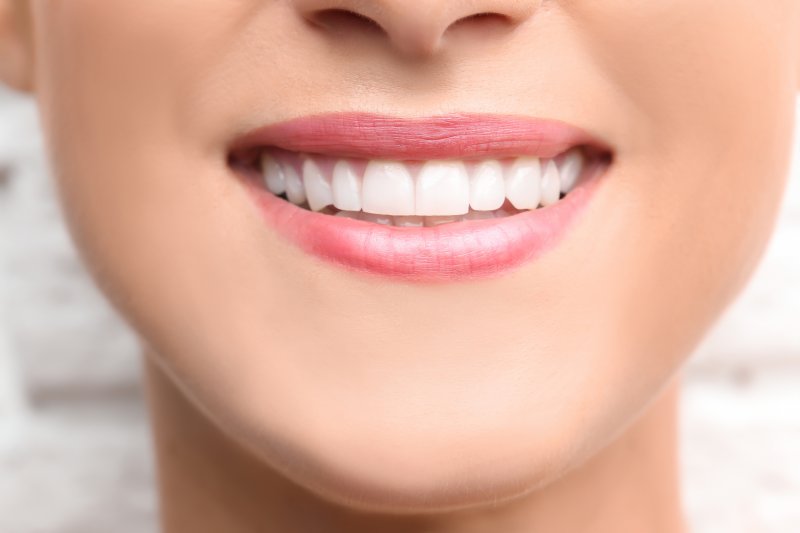
Dental bonding is a versatile cosmetic treatment used to improve the appearance and function of teeth. It involves applying a tooth-coloured resin to correct minor imperfections, making it a popular choice for people seeking a quick, affordable, and natural-looking enhancement. Because bonding can address a wide range of issues without extensive dental work, it has become one of the most common cosmetic procedures offered today.
Chips and Minor Cracks
Small chips and cracks in teeth can affect both appearance and confidence. Dental bonding restores the natural shape of the tooth by filling in damaged areas with a durable resin. This helps strengthen the tooth and prevents the damage from worsening while also improving its overall look.
Gaps Between Teeth
For people with small gaps between their teeth, bonding offers a simple solution without the need for orthodontic treatment. The resin is shaped to close the space, creating a more symmetrical smile. It’s an effective option for those who want immediate cosmetic improvement.
Tooth Discolouration
Some stains cannot be removed through whitening treatments alone. In these cases, bonding can be used to cover discoloured areas with a material that matches the surrounding teeth. This provides a brighter and more even appearance, especially for stubborn or internal staining.
Uneven or Misshapen Teeth
Bonding is ideal for reshaping teeth that appear uneven, too short, or irregularly shaped. The resin can be applied precisely to create a more balanced and attractive smile. If you’re exploring ways to refine the shape of your teeth, looking into options such as dental bonding can help you understand how small adjustments can make a noticeable difference.
Worn Edges and Enamel Wear
Teeth that have worn down due to grinding or general wear can be rebuilt using bonding. Adding resin to worn edges restores the tooth’s original length and protects the remaining enamel, improving both function and aesthetics.
Protecting Exposed Tooth Roots
When gums recede, the exposed roots can become sensitive and prone to damage. Bonding can cover these areas, reducing sensitivity and protecting the tooth from further wear. This helps improve comfort while also enhancing the appearance of the gumline.
Minor Alignment and Contouring Corrections
Bonding can smooth rough edges, correct slight twists, and create better alignment visually. While it cannot replace orthodontics for major alignment issues, it can provide a cosmetic solution for minor irregularities.
When Bonding May Not Be Suitable
Dental bonding is best for small to moderate cosmetic concerns. It may not be ideal for large fractures, severely worn teeth, or major alignment issues, where treatments like veneers or crowns may offer better durability and support. A dentist can help determine which option will provide the best long-term results.
Final Word
Dental bonding offers a fast, effective, and minimally invasive way to fix a variety of cosmetic dental issues. From chips and gaps to uneven shapes and stubborn stains, it provides a natural-looking solution that enhances your smile without extensive treatment. Consulting a dentist is the best way to determine whether bonding is the right option for your specific needs.
Keep an eye for more latest news & updates on Magazine!

