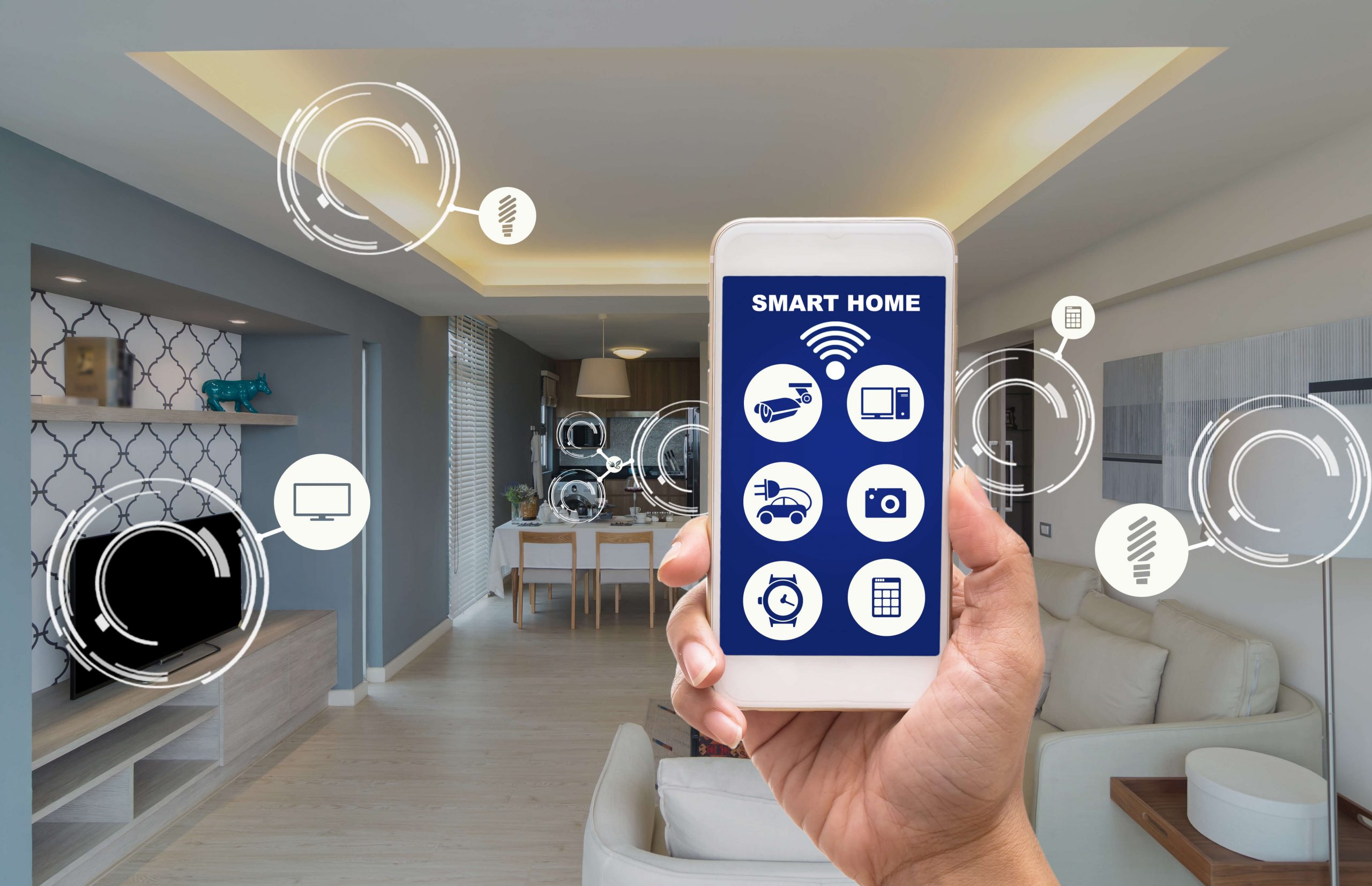
Keeping our homes safe has always been a top priority, and modern technology has completely changed how we approach security. Gone are the days when a simple lock on the door was enough. Today, smart security systems give us real-time control, convenience, and peace of mind, allowing us to monitor and protect our homes from virtually anywhere.
Why Home Security Matters
A secure home isn’t just about protecting belongings—it’s about protecting our families and peace of mind. Break-ins, vandalism, or even accidents like fire or water leaks can be costly and stressful. Traditional security systems offer basic protection, but smart systems take it further by providing instant alerts, remote monitoring, and integrated controls that let us respond quickly to any situation.
What Makes a Security System “Smart”?
Smart security systems go beyond alarms and cameras. They connect to the internet, allowing control from a smartphone, tablet, or computer. Many systems also integrate with other smart home devices, creating a network that protects our homes in a more proactive way.
Key features often include:
- Real-time alerts: Notifications whenever a door opens or motion is detected.
- Remote monitoring: Live video feeds accessible from anywhere.
- Automation: Schedule lights, locks, and alarms to operate automatically.
- Integration: Works with voice assistants and other smart devices.
Types of Smart Security Components
Smart Cameras
Cameras are the eyes of our security system. Modern smart cameras offer live feeds, motion detection, night vision, and cloud storage. Some even distinguish between people, pets, and vehicles, so we only get alerts for what matters.
Smart Door Locks
Smart locks allow us to control doors remotely, create temporary access codes for guests, and track entry and exit activity. They often integrate with alarms and notifications to alert us to any tampering or forced entry.
Motion Sensors
Motion sensors detect movement and can trigger alarms, lights, or cameras. Smart sensors notify us instantly, giving time to act if needed.
Window and Door Sensors
These sensors monitor when doors or windows are opened unexpectedly. Some advanced sensors detect vibrations, alerting us if someone tries to break in.
Smart Alarms
Unlike traditional alarms that just sound off, smart alarms can notify us via phone, contact emergency services, and integrate with other smart devices for more effective protection.
Environmental Sensors
Smart security isn’t only about intruders. Smoke, carbon monoxide, water leak, and temperature sensors protect our homes from accidents and damage, sending immediate alerts to prevent serious problems.
Benefits of Smart Security Systems
Convenience
With smart security, we control our home from anywhere. There’s no more worrying about whether the door was locked or the alarm was set—we can check and manage everything from a phone.
Cost Savings
While installation may cost more upfront, smart systems save money in the long run. Preventing break-ins, property damage, and accidents can reduce repair costs, and many insurance companies offer discounts for homes with smart security.
Peace of Mind
Being able to monitor our homes in real-time provides comfort and reassurance. Whether we’re away at work or on vacation, we know that any problem will be flagged immediately.
Deterrence
Visible cameras, alarms, and smart locks deter intruders. When burglars see an active system, they are less likely to target that home.
Customization
We can customize alerts, schedules, and automation to fit our lifestyle. Lights can turn on automatically at night, alarms can be set for specific times, and notifications can be tailored to what matters most.
Choosing the Right System for Your Home
When selecting a smart security system, consider:
- Coverage: Ensure all entry points and vulnerable areas are monitored.
- Ease of Use: Choose a system that’s easy to install and operate.
- Integration: Make sure it works with other smart devices we already own.
- Monitoring Options: Decide between self-monitoring or professional monitoring.
- Budget: Factor in both setup costs and ongoing fees.
DIY vs Professional Installation
Many systems are designed for DIY installation, offering wireless components and simple guides. DIY is often cheaper and flexible, but professional installation provides expert placement, seamless integration, and ongoing support. Larger homes or more complex setups often benefit from professional help.
Maintenance and Updates
A smart system is only effective if maintained. Regularly testing alarms, checking sensors, and updating software ensures everything works properly. Some devices update automatically, but it’s smart to occasionally perform manual checks.
Common Mistakes Homeowners Make
Even the best system can fail if misused. Common mistakes include:
- Ignoring notifications or alerts
- Placing cameras or sensors in blind spots
- Using weak passwords or default settings
- Forgetting to test the system regularly
Avoiding these errors ensures our smart security system provides reliable protection.
The Future of Smart Security
Smart security is constantly evolving. AI and machine learning help reduce false alarms, recognize familiar faces, and predict suspicious behavior. Voice-controlled systems, wearable alerts, and enhanced monitoring services are making homes even smarter and more proactive.
Conclusion
Smart security systems have transformed home protection. They combine convenience, control, and peace of mind, integrating multiple technologies to safeguard our homes. By choosing the right system, avoiding common mistakes, and keeping devices updated, we can ensure maximum safety. Protecting our home and family has never been easier or more effective, and smart security systems make that possible.
Explore the latest entertainment news and reviews at Magazine!

