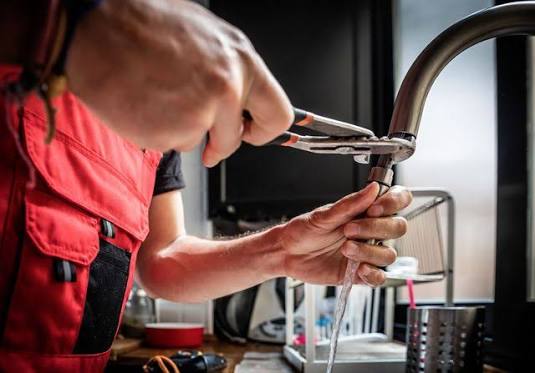
Whether you’re dealing with a leaking faucet, a clogged drain, or a burst pipe, finding a trustworthy plumber is essential. Plumbing issues can quickly turn into expensive repairs if they aren’t handled properly, which is why choosing the right professional matters just as much as fixing the problem itself.
With so many plumbing companies advertising their services online, it can be difficult to know which one deserves your trust. Some offer competitive pricing and excellent customer service, while others may lack experience or charge unexpected fees. Taking a little time to research before hiring can save you money, prevent unnecessary stress, and ensure the work is completed correctly.
This guide explains how to find reliable local plumbers, what questions to ask before hiring, common warning signs to avoid, and tips for choosing a professional who delivers quality service at a fair price.
Why Hiring the Right Plumber Matters
Your home’s plumbing system is one of its most important components. Even a small mistake during a repair or installation can lead to water damage, mold growth, higher utility bills, and costly repairs in the future.
A reliable plumber can help you:
- Fix problems correctly the first time
- Protect your home’s plumbing system
- Save money on future repairs
- Improve water efficiency
- Ensure work meets local building codes
Choosing an experienced professional provides peace of mind and helps avoid unnecessary complications later.
Know What Type of Plumbing Service You Need
Before contacting plumbers, identify the type of work required. Some companies specialize in certain services, while others provide full-service plumbing solutions.
Common plumbing services include:
- Leak detection and repair
- Drain cleaning
- Toilet repair and installation
- Water heater repair and replacement
- Sewer line inspections
- Pipe replacement
- Garbage disposal repair
- Faucet installation
- Bathroom remodeling
- Kitchen plumbing upgrades
Understanding your needs makes it easier to find a plumber with the right experience.
Ask Family and Friends for Recommendations
One of the easiest ways to find a trustworthy plumber is by asking people you know.
Friends, relatives, neighbors, and coworkers often provide honest opinions based on their own experiences. Personal recommendations can help you create a shortlist of professionals with proven track records.
Even if you plan to research online, word-of-mouth referrals are an excellent starting point.
Search for Local Plumbing Companies
Most homeowners begin their search online.
Look for plumbing businesses that serve your local area and have established reputations. Companies with several years of experience are often more likely to have trained technicians and a history of satisfied customers.
Visit company websites to learn about:
- Services offered
- Years in business
- Service areas
- Emergency availability
- Contact information
- Customer testimonials
A professional website often reflects a company’s commitment to customer service.
Read Customer Reviews Carefully
Online reviews can provide valuable insight into a plumbing company’s reliability.
Pay attention to comments about:
- Punctuality
- Professionalism
- Communication
- Pricing
- Work quality
- Cleanliness
- Problem resolution
Don’t focus only on perfect five-star ratings. Reading a variety of reviews helps you understand how the company handles different situations and customer concerns.
Verify Licensing and Insurance
A reputable plumber should have the required licenses and insurance for your area.
Proper licensing demonstrates that the plumber meets local requirements and has received appropriate training.
Insurance protects both the homeowner and the contractor if accidents or property damage occur during the project.
Never hesitate to ask for proof before hiring.
Look for Experience
Experience often leads to better workmanship.
An experienced plumber has likely handled a wide variety of issues, including complex repairs that less experienced contractors may struggle with.
Ask questions such as:
- How long have you been in business?
- Have you handled similar repairs?
- Do you specialize in residential plumbing?
- Can you explain your repair process?
Experienced professionals are usually happy to discuss their qualifications.
Compare Multiple Estimates
Don’t automatically hire the first plumber you contact.
Request written estimates from several companies so you can compare:
- Labor costs
- Material costs
- Estimated completion time
- Warranty information
- Total project cost
Remember that the cheapest estimate isn’t always the best value. Quality workmanship often saves money in the long run.
Ask About Warranties
Reliable plumbers stand behind their work.
Many offer warranties covering labor, replacement parts, or both.
Before hiring, ask:
- How long is the warranty?
- What does it cover?
- Are replacement parts included?
- What happens if the problem returns?
A warranty shows confidence in the quality of the completed work.
Check Emergency Services
Plumbing emergencies don’t always happen during normal business hours.
Burst pipes, overflowing toilets, and major leaks often require immediate attention.
If emergency service is important to you, ask whether the company offers:
- 24-hour service
- Weekend appointments
- Holiday availability
- Emergency response times
Knowing who to call before an emergency happens can prevent major property damage.
Evaluate Customer Service
The way a company communicates before you hire them often reflects how they treat customers throughout the project.
A reliable plumbing company should:
- Answer questions clearly
- Return calls promptly
- Provide accurate estimates
- Explain repair options
- Arrive on time
- Treat your home respectfully
Professional communication builds trust and makes the repair process smoother.
Watch for Red Flags
Not every plumbing company operates with the same level of professionalism.
Be cautious if a plumber:
- Refuses to provide a written estimate
- Cannot verify licensing or insurance
- Demands full payment upfront
- Avoids answering questions
- Has consistently poor reviews
- Uses high-pressure sales tactics
- Offers prices far below competitors without explanation
Taking time to investigate these warning signs can help you avoid costly mistakes.
Questions to Ask Before Hiring
Before making your final decision, consider asking these questions:
- Are you licensed and insured?
- How much experience do you have?
- Do you offer written estimates?
- Is your work guaranteed?
- Who will perform the work?
- How long will the project take?
- Will there be additional charges?
- Do you clean up after completing the job?
Clear answers demonstrate professionalism and transparency.
Compare Pricing Carefully
Pricing varies depending on the type of repair, location, and materials required.
Instead of focusing only on the total cost, compare what’s included in each estimate.
Look for details such as:
- Labor
- Materials
- Equipment
- Permit fees
- Cleanup
- Warranty coverage
A slightly higher price may include services that provide better long-term value.
Benefits of Hiring a Professional Plumber
Professional plumbers bring knowledge, specialized tools, and experience that most homeowners don’t have.
Benefits include:
- Accurate diagnosis
- Proper repairs
- Code-compliant installations
- Improved water efficiency
- Reduced risk of future leaks
- Time savings
- Long-lasting results
Hiring a qualified expert often prevents larger problems from developing later.
Tips for Maintaining Your Plumbing System
Preventive maintenance reduces the need for emergency repairs.
Simple habits include:
- Fix small leaks promptly.
- Avoid pouring grease down drains.
- Use drain strainers.
- Insulate exposed pipes during winter.
- Schedule periodic plumbing inspections.
- Check water pressure regularly.
- Replace worn fixtures before they fail.
Routine maintenance helps extend the life of your plumbing system.
Frequently Asked Questions
How do I know if a plumber is reliable?
Look for proper licensing, insurance, positive customer reviews, transparent pricing, warranties, and several years of experience.
Should I get more than one estimate?
Yes. Comparing multiple estimates helps you understand average pricing and identify the best value for your project.
Is the cheapest plumber always the best choice?
Not necessarily. Extremely low prices may indicate lower-quality materials, limited experience, or hidden costs later.
What should a plumbing estimate include?
A written estimate should clearly list labor, materials, project scope, estimated completion time, and any warranty information.
Do plumbers provide emergency services?
Many plumbing companies offer emergency repairs, but availability varies. Confirm emergency hours before hiring.
How often should plumbing be inspected?
Many homeowners benefit from a professional plumbing inspection every one to two years, especially in older homes.
Final Thoughts
Finding reliable local plumbers doesn’t have to be difficult. By taking time to research companies, compare estimates, verify credentials, and read customer reviews, you can confidently choose a professional who delivers quality workmanship and dependable service.
A trusted plumber isn’t just someone who fixes leaks—they become a valuable resource for maintaining your home’s plumbing system for years to come. Whether you need a simple repair, a major installation, or emergency assistance, hiring the right professional helps protect your investment and ensures your plumbing works safely and efficiently.

