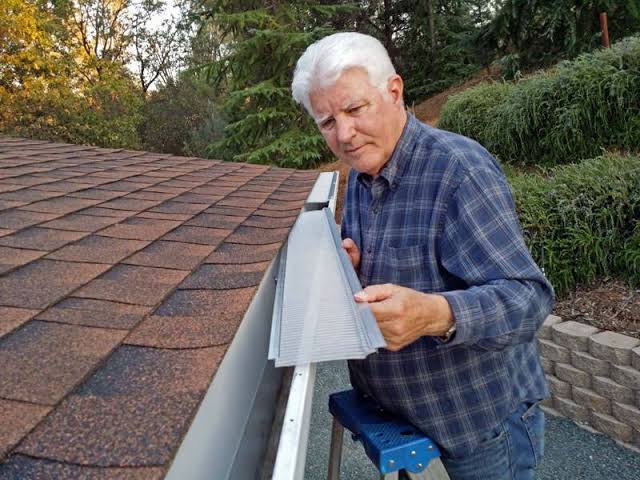
Cleaning gutters is one of those home maintenance jobs that most homeowners would rather avoid. Climbing a ladder, removing wet leaves, and dealing with clogged downspouts isn’t exactly enjoyable. That’s why gutter guards have become a popular upgrade for homes of all sizes.
Manufacturers claim that gutter guards reduce maintenance, prevent clogs, and protect your home from water damage. But do they actually work, or are they just another expensive home improvement product?
The truth is somewhere in the middle. Gutter guards can be a worthwhile investment for many homeowners, but they aren’t completely maintenance-free, and not every type performs equally well.
In this guide, we’ll review how gutter guards work, compare the most common types, discuss their pros and cons, and help you decide whether they’re worth buying for your home.
What Are Gutter Guards?
Gutter guards are protective covers or screens that fit over your gutters. Their purpose is to allow rainwater to flow into the gutter while blocking leaves, twigs, pine needles, and other debris from causing clogs.
Without gutter guards, debris can build up over time, preventing water from flowing properly. Overflowing gutters can lead to foundation problems, roof damage, landscape erosion, and even basement flooding.
While gutter guards don’t eliminate maintenance completely, they can significantly reduce how often your gutters need cleaning.
How Do Gutter Guards Work?
Different gutter guard systems use different designs, but they all share the same goal—keeping debris out while allowing water to pass through.
Some use fine mesh to filter leaves, while others use curved surfaces that direct rainwater into the gutter through surface tension.
The effectiveness depends on factors such as:
- The type of trees around your home
- Your local climate
- Roof design
- Gutter size
- Installation quality
No system works perfectly in every situation.
Types of Gutter Guards
There are several types of gutter guards available, each with its own advantages and disadvantages.
Mesh Gutter Guards
Fine mesh gutter guards are among the most popular options.
They use a tightly woven metal screen that blocks even small debris while allowing water to flow through.
Pros
- Excellent debris protection
- Durable
- Suitable for most climates
- Works well with leaves and small twigs
Cons
- Higher upfront cost
- Professional installation is often recommended
- Small particles may still collect on top
Overall, mesh systems are considered one of the best long-term solutions.
Screen Gutter Guards
Screen guards feature larger openings than mesh systems.
They’re commonly made from aluminum or plastic.
Pros
- Affordable
- Easy to install
- Widely available
Cons
- Small debris may pass through
- Requires occasional cleaning
- Less effective around pine trees
They’re a good budget-friendly option for homes with light debris.
Reverse Curve Gutter Guards
These systems use a curved design that directs rainwater into the gutter while encouraging leaves to slide off the edge.
Pros
- Handles large leaves well
- Durable construction
- Long lifespan
Cons
- Expensive
- Visible from the ground
- Professional installation required
- Heavy rain may occasionally overshoot the gutter
Reverse curve systems are often marketed as premium products.
Foam Gutter Guards
Foam inserts fit directly inside the gutter.
Rainwater flows through the foam while debris stays on top.
Pros
- Inexpensive
- Easy DIY installation
- Quick to replace
Cons
- Foam can deteriorate over time
- May trap dirt
- Can encourage mold growth in damp climates
Foam guards generally have a shorter lifespan than metal systems.
Brush Gutter Guards
Brush-style guards resemble oversized pipe cleaners placed inside the gutter.
Leaves stay on top while water flows through the bristles.
Pros
- Easy installation
- Low cost
- No special tools required
Cons
- Debris often becomes trapped
- Requires frequent cleaning
- Less effective than mesh systems
Brush guards are usually considered a temporary solution.
Pros of Installing Gutter Guards
There are several reasons why homeowners choose gutter guards.
Less Frequent Gutter Cleaning
One of the biggest advantages is reducing the amount of debris entering your gutters.
Instead of cleaning gutters several times each year, many homeowners only need occasional inspections.
Better Water Flow
By preventing blockages, gutter guards help rainwater flow freely through gutters and downspouts.
Proper drainage protects:
- Roofs
- Foundations
- Siding
- Landscaping
Reduced Pest Problems
Standing water and leaf buildup attract:
- Mosquitoes
- Birds
- Rodents
- Insects
Keeping gutters cleaner makes them less inviting to pests.
Longer Gutter Lifespan
Heavy debris and standing water place extra stress on gutters.
Keeping gutters cleaner may help reduce rust, sagging, and premature wear.
Improved Safety
Cleaning gutters often requires climbing ladders.
Reducing the frequency of cleaning lowers the risk of falls and related injuries.
Cons of Gutter Guards
Although gutter guards offer benefits, they’re not perfect.
They’re Not Maintenance-Free
One of the biggest misconceptions is that gutter guards eliminate maintenance completely.
In reality, homeowners should still:
- Inspect gutters annually
- Remove debris from the guard surface
- Flush gutters occasionally
Maintenance is reduced—not eliminated.
Initial Cost
Quality gutter guard systems can be expensive.
Professional installation often increases the total investment.
Not Every Product Performs Equally
Some inexpensive gutter guards clog easily or wear out quickly.
Choosing the cheapest option isn’t always the best long-term decision.
Ice Build-Up
In colder climates, gutter guards may contribute to ice buildup if gutters aren’t properly designed or insulated.
How Much Do Gutter Guards Cost?
Pricing depends on the product and installation method.
Typical installed costs include:
| Gutter Guard Type | Average Installed Cost |
|---|---|
| Plastic Screen | $3–$6 per linear foot |
| Aluminum Screen | $4–$8 per linear foot |
| Foam Inserts | $2–$5 per linear foot |
| Brush Guards | $3–$6 per linear foot |
| Stainless Steel Mesh | $8–$20 per linear foot |
| Reverse Curve Systems | $15–$35 per linear foot |
A typical home may require between 100 and 250 linear feet of gutter protection.
Are Gutter Guards Worth the Cost?
For many homeowners, yes.
They’re especially worthwhile if your property has:
- Large mature trees
- Frequent leaf buildup
- Difficult-to-access gutters
- Multi-story construction
- Regular gutter clogging
The reduction in maintenance and lower risk of water damage can make the investment worthwhile over time.
However, homeowners with very few nearby trees may not see the same value.
Best Homes for Gutter Guards
Gutter guards are particularly beneficial for:
- Wooded properties
- Two-story homes
- Homes surrounded by pine trees
- Houses in areas with heavy rainfall
- Older homeowners who prefer less ladder work
These situations often make gutter maintenance more challenging.
Situations Where Gutter Guards May Not Be Necessary
Some homeowners may decide to skip gutter guards.
You may not need them if:
- Your home has very few trees nearby.
- Gutters rarely clog.
- You clean gutters regularly.
- Your gutters are easy to access.
- You’re planning to replace the roof soon.
In these cases, regular cleaning may be sufficient.
What to Look for Before Buying
Not all gutter guards offer the same performance.
Consider these factors before making a purchase.
Material Quality
Look for durable materials such as:
- Stainless steel
- Aluminum
- High-quality composite materials
Avoid products that may crack or warp after a few seasons.
Warranty
A longer warranty often indicates greater product confidence.
Read the warranty carefully to understand what’s covered.
Installation Method
Some systems are designed for DIY installation, while others require professional installers.
Factor installation costs into your overall budget.
Local Weather
Homes in snowy climates may need different gutter guard systems than homes in warm, dry regions.
Choose a product designed for your local conditions.
DIY vs Professional Installation
DIY Installation
Advantages include:
- Lower cost
- Flexible scheduling
- Suitable for basic screen or foam guards
However, DIY installation may void certain warranties.
Professional Installation
Benefits include:
- Proper fit
- Better performance
- Manufacturer warranty protection
- Reduced installation mistakes
Professional installation is generally recommended for premium gutter guard systems.
Common Myths About Gutter Guards
Myth 1: You’ll Never Clean Gutters Again
False.
Even the best gutter guards require occasional maintenance.
Myth 2: All Gutter Guards Perform the Same
False.
Material quality, design, and installation all affect performance.
Myth 3: They’re Only Useful in Fall
False.
Gutter guards help year-round by reducing debris buildup from leaves, seeds, blossoms, and small twigs.
Tips for Getting the Best Results
If you install gutter guards, follow these recommendations:
- Inspect them at least once a year.
- Trim overhanging tree branches.
- Flush downspouts periodically.
- Remove debris sitting on top of the guards.
- Repair damaged gutters promptly.
Routine inspections help maximize the life of both the guards and your gutter system.
Frequently Asked Questions
Do gutter guards completely prevent clogged gutters?
No. They significantly reduce clogs but cannot prevent every type of debris from entering or collecting on the system.
Which type of gutter guard works best?
Fine stainless steel mesh gutter guards generally provide the best balance of durability, debris protection, and water flow for most homes.
How long do gutter guards last?
High-quality metal gutter guards can last 20 years or more, while foam and plastic options typically have a shorter lifespan.
Can gutter guards handle heavy rain?
Most premium systems are designed to manage heavy rainfall effectively, but poor installation or undersized gutters can still lead to overflow.
Are gutter guards worth it if I have few trees?
If your gutters rarely collect debris, the savings may be limited. In that case, regular gutter cleaning may be the more cost-effective option.
Final Thoughts
Gutter guards aren’t a magic solution, but they can be a smart investment for homeowners looking to reduce maintenance and protect their property from water-related problems. While no gutter guard eliminates cleaning entirely, quality systems can significantly reduce debris buildup, improve water flow, and extend the life of your gutters.
If your home is surrounded by trees, has hard-to-reach gutters, or experiences frequent clogging, installing gutter guards is often well worth the investment. The key is choosing a durable product that matches your home’s needs and having it installed correctly. With the right system and occasional maintenance, gutter guards can save time, reduce cleaning frequency, and help protect one of your home’s most important drainage systems.

