FEBRUARY 5, 2026 — WASHINGTON Federal agencies began resuming normal operations Thursday after President Donald Trump signed a sweeping bipartisan budget agreement that ends a partial government shutdown triggered by funding disputes earlier this week.
The $1.2 trillion spending package funds most federal departments through September and resolves immediate disagreements over immigration enforcement allocations and domestic program expenditures.
Lawmakers from both parties described the agreement as a compromise forged under mounting pressure from federal workers, business leaders, and state officials concerned about economic disruption.
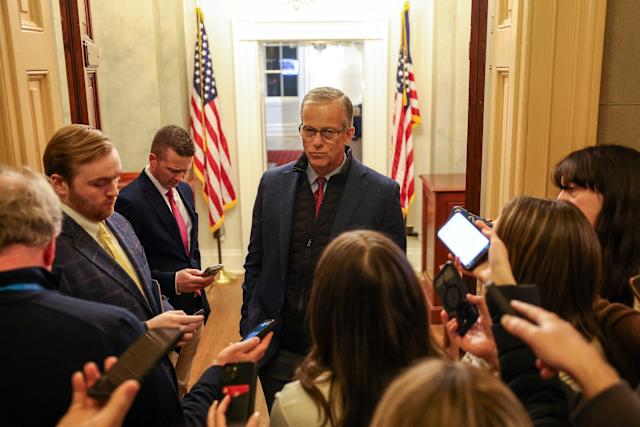
“This deal ensures continuity of government services and provides stability,” said one senior congressional leader following the vote.
The shutdown, though brief, led to furloughs across multiple agencies and delayed certain administrative functions. National parks, regulatory offices, and federal courts had begun scaling back operations before the legislation cleared Congress.
Immigration funding proved to be the central sticking point. Negotiators ultimately crafted language that maintains enforcement resources while establishing new reporting requirements aimed at increasing transparency.
Economists estimate that prolonged shutdowns can shave measurable points off quarterly GDP growth, particularly when consumer confidence weakens. Markets responded positively Thursday morning, with major indexes opening higher following news of the deal.
Despite the resolution, longer-term fiscal debates remain unresolved. Lawmakers are expected to revisit broader budget priorities later this year, including infrastructure investments, defense spending, and entitlement reform.
Advocacy groups on both sides expressed mixed reactions, with some praising the bipartisan cooperation and others criticizing concessions made during negotiations.
For federal employees returning to work, the immediate concern is resuming public services and addressing backlogs created during the shutdown period.
While Washington has stepped back from the brink for now, the episode underscores the recurring budget battles that have become a fixture of modern American governance.

