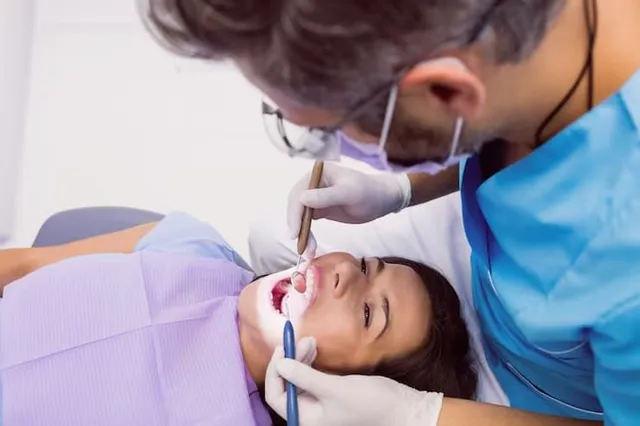
Most parents have heard a child complain about a sore tooth and figured it could wait until the next checkup. That instinct is usually right, but not always. Understanding when a cavity has moved from a minor problem to something that needs an emergency dentist in Topeka, KS can save your child a lot of pain, and sometimes a trip to the hospital.
At Topeka Dental Clinic, a part of Kansas Youth Dental, families in Topeka, KS often ask how a small cavity can turn into something urgent. Tooth decay doesn’t jump straight from small to severe. It moves through predictable stages, and knowing what each one looks like helps you decide what to do next.
What You Should Know First
Here are the key facts every parent should keep in mind before deciding what to do next:
- Tooth decay progresses in stages, from a small weak spot on the enamel to a deep infection near the nerve.
- Pain that suddenly disappears is not always good news. It can mean the nerve inside the tooth has died.
- Bacteria from an infected tooth can, in rare cases, spread beyond the mouth and cause serious, even life-threatening, health problems.
- Some symptoms call for a routine dental visit, while others mean you should see an emergency dentist or go to the ER right away.
- Catching decay early is almost always easier and less stressful than treating an infection later.
The Stages Decay Moves Through
Tooth decay starts small and, left alone, keeps advancing layer by layer. Each stage brings a bit more damage and a bit more risk.
- Enamel demineralization: Acid from bacteria and sugar begins pulling minerals out of the tooth’s outer layer. You might see a chalky white spot, but there’s usually no pain yet.
- Enamel breakdown: The weakened enamel gives way and a small cavity forms. A children’s dentist in Topeka, KS can often catch this stage during a routine checkup.
- Dentin decay: Once decay reaches the softer layer under the enamel, it spreads faster. Sensitivity to sweets or temperature often shows up here.
- Pulp involvement: Decay reaches the tooth’s nerve and blood supply. This stage usually brings real pain, sometimes described as throbbing or constant.
- Abscess formation: Bacteria build up at the root, creating a pocket of infection. Swelling, pressure, and a bad taste in the mouth are common signs.
By the time decay reaches the pulp, a routine cleaning is no longer enough. This is often where families start searching for a pediatric dentist in Topeka, KS who can see their child quickly.
Why a Toothache That Stops Hurting Isn’t Always a Relief
A sudden drop in pain doesn’t always mean the problem is gone. This can mean the nerve inside the tooth has died, so it can no longer send pain signals.
This is one of the most common misunderstandings parents run into. The infection itself is often still active and can keep spreading through the bone and surrounding tissue, quietly, without the discomfort that used to serve as a warning sign. Watch for these other clues instead of relying on pain alone:
- Swelling in the cheek, jaw, or gum
- A pimple-like bump on the gum near the sore tooth
- Bad breath or an unusual taste that doesn’t go away
- Discoloration of the tooth
If any of these show up after pain fades, the tooth still needs attention from a dentist, not less. Treating the tooth once the nerve has died usually still matters, since the infection around the root can keep growing even after the pain stops.
How a Tooth Infection Can Turn Into a Medical Emergency
The mouth sits close to major blood vessels and the airway, so an infection that starts in one tooth doesn’t always stay in that tooth. Left untreated, bacteria can spread into the jaw, the face, the neck, or the rest of the body.
In rare cases, a spreading dental infection can become a medical emergency. Swelling can move from the mouth into the face or neck, and it can press on the airway and make breathing or swallowing hard. In the most serious cases, the infection can reach the bloodstream and affect the whole body, which is a life-threatening emergency. This is exactly why dentists take facial swelling seriously.
None of this means every cavity is headed toward a hospital stay. It does mean decay is not something to wait out once real symptoms appear.
Checkup, Emergency Dentist, or Emergency Room?
Knowing where to go saves time and worry, especially if you need an emergency dentist in Topeka, KS. Use this quick guide to sort out your next step.
Book a routine visit if your child has:
- A small area of sensitivity to cold or sweets that comes and goes
- A visible spot or discoloration but no pain
- No swelling, and their next cleaning is coming up soon
Call an emergency dentist in Topeka, KS right away if your child has:
- A toothache that lingers for more than a day or two
- Swelling in the cheek or gum, even if mild
- Pain that wakes them up at night
- A broken, chipped, or knocked-out tooth
- Pain sharp enough to affect eating or talking
Families searching for an emergency dentist that takes Medicaid can check KanCare or call ahead and ask about coverage before the appointment, since accepted plans can vary by visit type.
Go to the emergency room or call 911 if your child has:
- Facial swelling that is spreading toward the eye or neck
- Difficulty breathing or swallowing
- A fever along with mouth or facial swelling
- Trouble opening their mouth normally
- Signs of drowsiness or confusion along with swelling
When swelling starts affecting breathing or swallowing, that’s no longer a dental problem alone. It’s a medical emergency that needs immediate care.
Keeping Small Dental Problems From Getting Worse
The easiest way to avoid this whole chain of events is catching decay at the white-spot or small-cavity stage, long before it reaches the nerve. Regular checkups, good brushing habits, and a diet lower in sugary snacks all help slow decay down. Parents looking for a kids dentist in Topeka, KS who checks for these early warning signs at every visit are already doing the right thing by staying ahead of it.
A tooth that hurts on and off is worth a phone call, not a wait-and-see approach. Left alone, decay rarely stays a small problem for long, and the gap between a routine filling and a more involved procedure often comes down to how early it’s caught.
What This All Means for Your Child
Tooth decay moves through clear stages, and each one carries its own signs and its own level of urgency. A toothache that suddenly stops isn’t always good news, and an infection that starts small can, in rare cases, turn into something that affects the whole body. Knowing the difference between a wait-for-the-checkup symptom and an emergency-dentist symptom helps you act at the right time instead of waiting for the next opening.
Call to Schedule Your Child’s Visit
If your child is dealing with a toothache, swelling, or a dental injury, don’t wait to see how it progresses. As an emergency dentist in Topeka, KS, Topeka Dental Clinic, a part of Kansas Youth Dental, is ready to see your child. Call the clinic today to book an appointment and get your child’s smile back on track.

