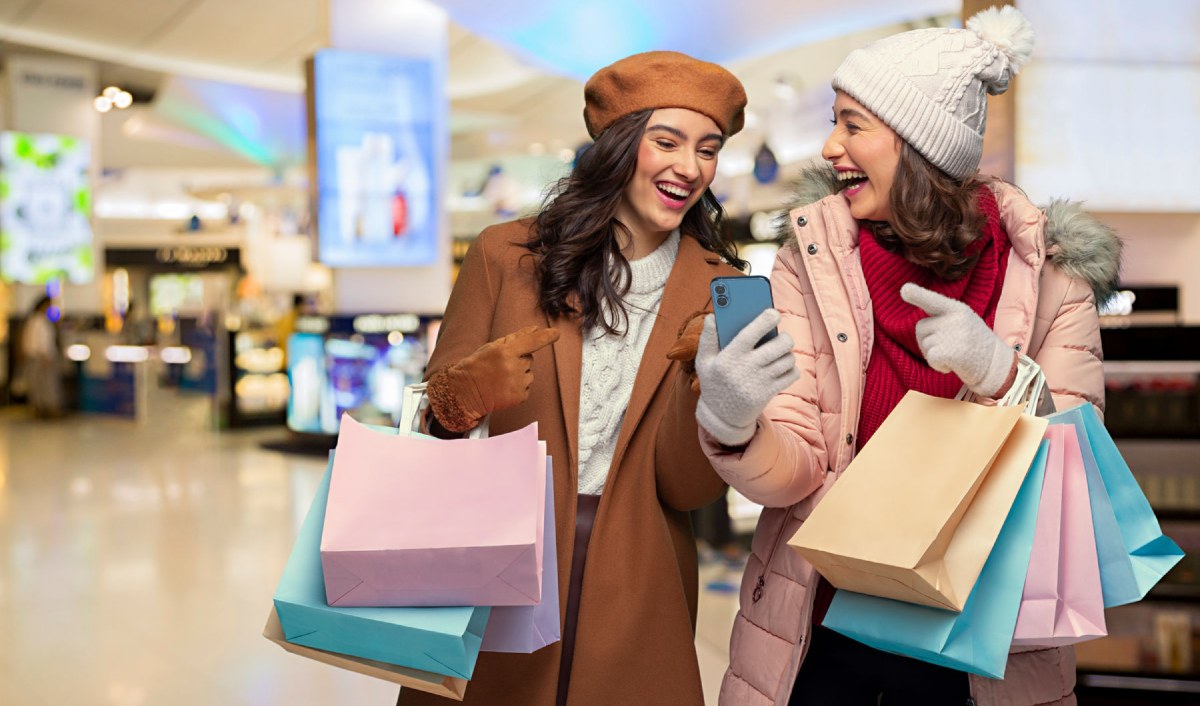
Fashion often appears to change overnight. One season everyone is wearing wide-leg trousers, the next minimalist sneakers or oversized blazers dominate store shelves. To shoppers, these shifts can seem sudden. In reality, most fashion trends begin years before they ever appear in shopping malls, online stores, or social media feeds.
Behind every popular color palette, fabric choice, or clothing silhouette is a long chain of forecasting, research, manufacturing, and retail planning. Designers, textile producers, trend forecasters, retailers, and manufacturers work years in advance to anticipate what consumers will eventually want. Many of the biggest retail trends are quietly developing while shoppers are still focused on the current season.
Understanding how these early influences shape the fashion industry offers valuable insight into why stores sell certain products, how brands make buying decisions, and what drives the future of style.
Fashion Trends Start Long Before Clothing Reaches Stores
Contrary to popular belief, fashion trends rarely begin with celebrities or social media influencers. By the time a trend becomes popular on Instagram, TikTok, or fashion blogs, industry professionals have often been developing it for several years.
The fashion production cycle requires long-term planning because clothing design involves numerous stages, including:
- Market research
- Trend forecasting
- Fabric development
- Sample creation
- Manufacturing
- Retail buying
- Marketing
- Distribution
For many brands, these processes begin 18 to 24 months before consumers ever see the finished products.
Trend Forecasting Shapes Future Collections
One of the earliest stages of fashion development is trend forecasting.
Specialized forecasting agencies study changing lifestyles, cultural movements, technology, travel, architecture, entertainment, and consumer behavior. Their role is not simply predicting which colors will become fashionable but understanding how society itself is evolving.
Forecasts often include recommendations for:
- Seasonal color palettes
- Fabric textures
- Print designs
- Material innovations
- Clothing silhouettes
- Consumer purchasing habits
- Lifestyle preferences
Fashion brands use this information to develop collections that align with future demand rather than current popularity.
Textile Innovation Often Leads Fashion
Many retail trends actually begin inside textile laboratories instead of design studios.
Manufacturers continuously develop new fabrics that solve practical problems or improve comfort. Once these materials become commercially viable, designers incorporate them into future collections.
Examples include:
- Moisture-wicking performance fabrics
- Recycled polyester blends
- Plant-based leather alternatives
- Stretch denim technology
- Temperature-regulating textiles
- Wrinkle-resistant fabrics
As these innovations become more affordable, retailers gradually introduce them into everyday clothing without most consumers realizing the technological advancement behind them.
Global Events Quietly Influence Future Fashion
Fashion reflects the world people live in.
Economic uncertainty, environmental concerns, changing work habits, and technological advances all shape future retail collections.
For example, remote work significantly increased demand for comfortable clothing, relaxed tailoring, and versatile wardrobe essentials. Sustainability concerns encouraged brands to explore recycled materials, slower production methods, and timeless designs instead of fast-changing seasonal collections.
These broader societal changes often influence retail years before consumers recognize them as fashion trends.
Color Trends Are Planned Years Ahead
Many shoppers assume brands independently choose seasonal colors.
In reality, color forecasting involves extensive research across multiple industries, including interior design, automotive manufacturing, technology, cosmetics, and consumer goods.
Color specialists analyze:
- Cultural shifts
- Emotional responses
- Consumer confidence
- Global events
- Environmental themes
- Design movements
As a result, the colors appearing in clothing often align with trends already developing in furniture, home décor, packaging, and electronics.
This creates a consistent visual experience across many consumer industries.
Retail Buyers Shape What Consumers Eventually See
Fashion buyers play one of the most influential yet least visible roles in the industry.
Months before each selling season, buyers evaluate thousands of potential products.
They decide:
- Which styles stores will stock
- How much inventory to purchase
- Which colors receive priority
- Which trends are commercially realistic
- Which products match their target customers
Even if designers produce innovative collections, shoppers only see the items retailers believe will successfully sell.
In many cases, retail buyers determine whether a trend becomes mainstream.
Manufacturing Timelines Influence Fashion Availability
Once collections are approved, production begins long before clothing appears in stores.
Manufacturing includes:
- Material sourcing
- Pattern grading
- Quality testing
- Factory scheduling
- Shipping logistics
- Warehouse distribution
Because global supply chains require significant planning, fashion companies cannot simply react to sudden trends overnight.
Instead, brands balance long-term forecasting with limited in-season adjustments based on customer demand.
Sustainability Quietly Changes Retail Decisions
Sustainability is no longer simply a marketing strategy.
Many fashion companies now evaluate environmental impact during product development rather than after production.
Early planning increasingly considers:
- Fabric durability
- Material sourcing
- Water consumption
- Carbon emissions
- Packaging reduction
- Repairability
- Product longevity
Consumers may notice more recycled materials or minimalist packaging, but these decisions often begin years before products reach store shelves.
Consumer Data Has Become a Trend Forecasting Tool
Modern retailers rely heavily on data analysis alongside creative design.
Brands monitor:
- Online search behavior
- Purchase history
- Product returns
- Customer reviews
- Social engagement
- Geographic demand
- Seasonal buying patterns
Instead of relying solely on intuition, fashion companies combine creative expertise with consumer analytics to reduce uncertainty.
This allows retailers to respond more accurately to changing preferences while minimizing unsold inventory.
Small Cultural Movements Often Become Major Trends
Some of today’s biggest fashion movements began as niche communities rather than mainstream styles.
Examples include:
- Outdoor-inspired everyday clothing
- Vintage fashion
- Gender-neutral apparel
- Capsule wardrobes
- Minimalist aesthetics
- Workwear-inspired casual fashion
Designers frequently observe these smaller communities years before retailers introduce similar concepts to wider audiences.
By the time consumers recognize the trend, it has already undergone significant refinement.
Technology Is Quietly Reshaping Fashion Development
Artificial intelligence, digital design software, and 3D product development are transforming how fashion collections are created.
Many companies now use digital tools to:
- Predict customer demand
- Test product concepts
- Reduce physical sampling
- Improve inventory planning
- Speed up design revisions
These technologies help reduce production waste while allowing brands to respond more efficiently to changing market conditions.
Although shoppers rarely notice these systems, they increasingly influence the clothing available in stores.
Retailers Balance Creativity with Commercial Reality
Fashion is both creative and commercial.
While designers may introduce bold concepts during runway shows, retailers must consider practical factors such as pricing, manufacturing costs, consumer preferences, and inventory risk.
As a result, many runway ideas are simplified before reaching everyday shoppers.
Retail collections often adapt high-fashion inspiration into wearable pieces suitable for a broader audience.
This careful balance helps trends become commercially successful without overwhelming consumers.
Why Some Predicted Trends Never Reach Consumers
Not every forecast becomes a retail success.
Some trends disappear because:
- Consumer preferences change.
- Economic conditions shift.
- Manufacturing costs become too high.
- Better innovations emerge.
- Retailers decide demand is too uncertain.
Fashion forecasting reduces uncertainty, but it cannot eliminate it entirely.
Successful brands continuously adjust their collections as new information becomes available.
What This Means for Fashion Consumers
Understanding the hidden timeline behind fashion helps explain why certain styles seem to appear everywhere at once.
Rather than following random trends, retailers are introducing products shaped by years of planning, research, testing, and collaboration across the global fashion industry.
Consumers who recognize these patterns often make more thoughtful purchasing decisions. Instead of chasing every seasonal trend, they can identify broader movements with lasting appeal, such as improved fabric quality, timeless silhouettes, sustainability, and versatile wardrobe essentials.
Final Thoughts
Fashion trends rarely begin on social media or in retail stores. Long before consumers notice a new style, professionals across forecasting agencies, textile manufacturers, fashion houses, and retail organizations have already spent years researching, designing, testing, and refining the ideas that will shape future collections.
From advancements in fabric technology and sustainability initiatives to cultural shifts and consumer data analysis, countless hidden influences quietly determine what eventually appears on store racks. Retail success depends not only on creativity but also on careful planning, supply chain coordination, and an understanding of how people’s lifestyles continue to evolve.
Recognizing this process offers a deeper appreciation of the fashion industry. The clothing consumers buy today reflects decisions made long ago, proving that the future of fashion is often designed well before the public ever realizes a new trend has arrived.

