Moving between Texas and California is one of the busiest relocation routes in the United States. Whether you’re relocating for work, buying a vehicle out of state, attending college, or making a military move, transporting your car is often easier than driving it yourself.
With more than 1,200 miles separating major cities like Dallas and Los Angeles or Houston and San Diego, the trip can take several days by road. Once you factor in fuel, hotels, meals, tolls, and the additional mileage on your vehicle, professional Texas to California car shipping becomes an option worth considering.
This guide explains what you can expect to pay in 2026, how long the shipment usually takes, what affects pricing, and how to make the process as smooth as possible.
What Does Texas to California Car Shipping Cost?
Auto transport pricing is based on current market conditions rather than a fixed price list. Several factors influence the final quote, including distance, vehicle size, pickup and delivery locations, seasonal demand, and carrier availability.
For a standard sedan or compact SUV using open transport, typical planning ranges in 2026 include:
- Dallas to Los Angeles: approximately $800–$1,200
- Houston to Los Angeles: approximately $900–$1,300
- Austin to San Diego: approximately $850–$1,250
- San Antonio to San Francisco: approximately $900–$1,400
- El Paso to Los Angeles: approximately $600–$1,000
These figures are planning estimates rather than guaranteed prices.
Larger SUVs, pickup trucks, lifted vehicles, heavy electric vehicles, and inoperable cars generally cost more because they occupy additional trailer space or require specialized loading.
How Long Does Shipping Take?
Texas and California are connected by several major interstate highways, making this one of the country’s most active transport corridors.
Most shipments follow these general timelines:
- Carrier assignment: several days to one week
- Pickup window: one to five days
- Transit time: approximately 3–6 days
Weather, highway construction, traffic, and seasonal demand can occasionally extend delivery times.
If you’re working with a strict moving schedule, avoid planning around the earliest estimated delivery date. Build a small buffer into your timeline whenever possible.
Why This Is One of the Most Popular Auto Transport Routes
Texas and California generate consistent vehicle shipping demand throughout the year.
Common reasons include:
- Corporate relocations
- Military PCS moves
- College students
- Seasonal residents
- Online vehicle purchases
- Dealership transfers
- Families relocating for work
Because so many carriers regularly operate this route, customers often benefit from better availability than on less common shipping lanes.
What Affects the Price?
Several factors determine your final quote.
Vehicle Size
Compact sedans generally cost less than:
- Full-size SUVs
- Pickup trucks
- Cargo vans
- Heavy EVs
Larger vehicles reduce the number of cars a carrier can transport on one trailer.
Pickup and Delivery Locations
Major metropolitan areas like:
- Dallas
- Houston
- Austin
- San Antonio
- Los Angeles
- San Diego
- Sacramento
- San Francisco
typically have better carrier availability than small rural towns.
Remote pickup or delivery locations often increase costs because carriers must travel farther from their primary routes.
Season
Pricing changes throughout the year.
Demand often rises during:
- Spring relocation season
- Summer moving months
- Military PCS season
- Holiday periods
Booking during peak demand usually results in higher pricing.
Flexibility
Customers who provide flexible pickup windows often receive better pricing than those requiring immediate or guaranteed pickup dates.
Open vs. Enclosed Transport
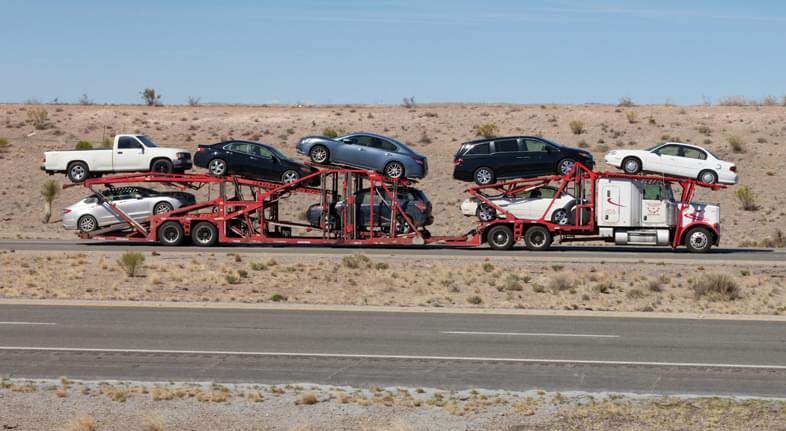
Most customers choose open transport.
Open carriers are ideal for:
- Family vehicles
- Daily drivers
- SUVs
- Pickup trucks
- Lease vehicles
Open shipping offers the lowest overall cost while remaining the industry’s standard transport method.
When Should You Choose Enclosed Transport?
Enclosed transport is generally recommended for:
- Luxury vehicles
- Collector cars
- Classic automobiles
- Exotic vehicles
- Custom show cars
- Low-clearance performance vehicles
Enclosed transport typically costs 30% to 60% more than open shipping because fewer vehicles fit inside each trailer and additional protection is provided.
Is Shipping Better Than Driving?
Many people initially assume driving is cheaper.
However, a realistic comparison includes:
- Fuel
- Hotels
- Meals
- Tolls
- Tire wear
- Oil changes
- Vehicle depreciation
- Lost work time
A drive from Texas to California often covers well over 1,300 miles depending on your route.
For many customers, the difference between driving and shipping is smaller than expected once all expenses are included.
Shipping also allows you to fly directly to your destination and begin settling into your new home immediately.
How Far in Advance Should You Book?
For most shipments, booking two to four weeks before pickup provides the best combination of pricing and carrier availability.
During summer and military relocation season, booking four to six weeks in advance is recommended.
Last-minute shipments are possible but may have fewer carrier options and higher costs.
Preparing Your Vehicle
Before pickup:
- Wash the vehicle.
- Photograph all sides.
- Document existing scratches or dents.
- Remove personal belongings.
- Leave approximately one-quarter tank of fuel.
- Remove toll tags.
- Check tire pressure.
- Make sure the battery is charged.
- Inform the company of any mechanical issues.
Proper preparation helps speed up inspections and reduces the likelihood of disputes after delivery.
Understanding Door-to-Door Service
Door-to-door transport means the carrier will deliver as close to your address as safely and legally possible.
However, large transport trucks cannot always access:
- Narrow residential streets
- Apartment complexes
- Gated communities
- Areas with low bridges
- Tight neighborhoods
If necessary, the driver may arrange to meet at a nearby shopping center, parking lot, or wide commercial street.
This is standard practice throughout the industry.
Common Mistakes to AvoidWaiting Too Long
Booking during the final week often results in fewer choices and higher pricing.
Choosing the Cheapest Quote
An unusually low quote may not be enough to attract a carrier.
Look for realistic pricing supported by good communication and transparent terms.
Leaving Personal Items Inside
Most carriers discourage transporting personal belongings because they add weight and may not be covered by cargo insurance.
Ignoring Vehicle Inspections
Review the Bill of Lading carefully during both pickup and delivery.
Photographs and accurate documentation help protect both you and the carrier.
Tips for Saving Money
If your schedule allows, you can often reduce shipping costs by:
- Booking several weeks in advance.
- Choosing open transport.
- Being flexible with pickup dates.
- Using major metropolitan pickup locations.
- Shipping during non-peak seasons when possible.
Even modest flexibility can make a noticeable difference in pricing.
Final Thoughts
Texas and California remain one of the busiest vehicle transport corridors in the country, making it relatively easy to find reliable carrier availability throughout the year. The key to a successful shipment is planning ahead, comparing complete quotes rather than headline prices, and understanding the factors that influence cost.
Whether you’re relocating permanently, moving for work, purchasing a vehicle, or sending a family car across the country, Texas to California car shipping can save time, reduce vehicle wear, and simplify your move. By booking early, preparing your vehicle properly, and keeping your pickup schedule flexible, you’ll give yourself the best chance of a smooth, stress-free transport experience.

