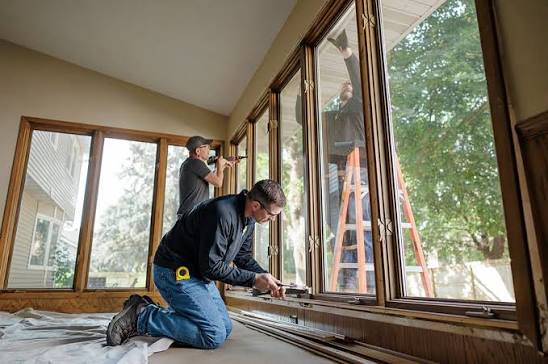
Replacing your home’s windows is one of the best investments you can make. New windows can improve energy efficiency, reduce outside noise, increase curb appeal, and even raise your home’s resale value. Whether you’re replacing one damaged window or upgrading every window in your house, understanding the costs involved will help you plan your budget with confidence.
One of the most common questions homeowners ask is, “How much does window replacement cost?” The answer isn’t always straightforward because pricing depends on several factors, including window size, frame material, glass type, labor costs, and installation complexity.
This guide explains the average cost of replacing windows in 2026, breaks down the biggest pricing factors, and includes a simple window replacement cost calculator to help you estimate your project.
Average Window Replacement Cost in 2026
The average cost to replace a window typically ranges between $400 and $1,500 per window, including materials and professional installation.
Here’s a general estimate based on project size:
| Project Type | Estimated Cost |
|---|---|
| Single window replacement | $400–$1,200 |
| Standard bedroom window | $500–$1,000 |
| Large picture window | $1,000–$3,000 |
| Bay or bow window | $2,000–$6,000 |
| Whole-house window replacement | $6,000–$20,000+ |
Luxury materials, custom sizes, and specialty designs can increase costs significantly.
Window Replacement Cost Calculator
Use this simple guide to estimate your project.
Step 1: Count Your Windows
Multiply the number of windows by the estimated replacement cost.
Example:
- 8 windows × $700 each = $5,600
Step 2: Choose Your Window Style
Window style plays a major role in pricing.
| Window Type | Average Cost Installed |
|---|---|
| Single-hung | $400–$850 |
| Double-hung | $500–$1,000 |
| Sliding | $500–$1,200 |
| Casement | $650–$1,500 |
| Awning | $600–$1,400 |
| Picture | $700–$2,500 |
| Bay | $2,000–$6,000 |
| Bow | $3,000–$8,000 |
Step 3: Select Frame Material
Frame material affects both appearance and long-term maintenance.
| Frame Material | Typical Cost |
|---|---|
| Vinyl | Lowest |
| Aluminum | Low to Moderate |
| Fiberglass | Moderate to High |
| Wood | High |
| Composite | High |
Step 4: Add Glass Upgrades
Premium glass options improve energy efficiency but increase overall cost.
Popular upgrades include:
- Double-pane glass
- Triple-pane glass
- Low-E coatings
- Argon gas insulation
- Tempered safety glass
- Impact-resistant glass
These upgrades often add $100 to $600 per window.
What Affects Window Replacement Pricing?
Several factors determine your final installation cost.
Window Size
Larger windows require more materials and labor.
For example:
- Small bathroom window: Lower cost
- Standard bedroom window: Moderate cost
- Large picture window: Higher cost
Custom oversized windows are among the most expensive options.
Window Style
Each window style has different manufacturing and installation requirements.
Single-Hung Windows
These are one of the most affordable options.
Only the lower sash moves, making them simple and cost-effective.
Double-Hung Windows
Double-hung windows allow both sashes to open, improving airflow and making cleaning easier.
They’re slightly more expensive than single-hung models.
Casement Windows
Casement windows swing outward using a crank mechanism.
They provide excellent ventilation but typically cost more due to additional hardware.
Sliding Windows
Sliding windows move horizontally and work well in modern homes.
They’re often moderately priced.
Picture Windows
Picture windows don’t open, making them energy efficient while providing unobstructed outdoor views.
Pricing depends largely on size.
Bay and Bow Windows
These windows project outward from the home, creating additional interior space and allowing more natural light inside.
Because of their complexity, they are among the most expensive window styles.
Frame Material Costs
The frame you choose influences durability, maintenance, and price.
Vinyl Frames
Vinyl remains the most popular choice because it’s:
- Affordable
- Low maintenance
- Energy efficient
- Resistant to moisture
Wood Frames
Wood offers timeless beauty and natural insulation.
However, it requires regular maintenance to prevent rot and weather damage.
Fiberglass Frames
Fiberglass combines strength with excellent insulation.
Although more expensive than vinyl, it requires very little maintenance.
Aluminum Frames
Aluminum works well in modern homes and commercial buildings.
It is lightweight but generally provides less insulation than vinyl or fiberglass.
Composite Frames
Composite materials combine wood fibers with synthetic materials.
They offer durability with minimal maintenance.
Glass Options
Choosing the right glass affects both comfort and energy costs.
Double-Pane Glass
Double-pane windows are now considered the standard for most homes.
They provide improved insulation compared to single-pane glass.
Triple-Pane Glass
Triple-pane windows offer even greater energy efficiency and noise reduction.
They’re especially useful in colder climates.
Low-E Glass
Low-emissivity (Low-E) coatings reflect heat while allowing natural light to enter.
Benefits include:
- Lower utility bills
- UV protection
- Better indoor comfort
Argon Gas
Argon gas is placed between glass panes to improve insulation.
Many energy-efficient windows include argon by default.
Labor Costs
Professional installation generally costs between $100 and $400 per window.
Labor expenses depend on:
- Window size
- Installation difficulty
- Home accessibility
- Local labor rates
- Structural repairs
Homes with older construction often require additional labor.
Full-Frame vs Insert Window Replacement
There are two primary installation methods.
Insert Replacement
An insert replacement fits into the existing frame.
Advantages include:
- Lower cost
- Faster installation
- Less disruption
However, the existing frame must be in excellent condition.
Full-Frame Replacement
Full-frame replacement removes the entire window, including the frame.
This option is recommended if:
- Frames are damaged
- Water damage exists
- You want larger windows
- Structural repairs are needed
Although more expensive, full-frame replacement often provides better long-term performance.
Energy-Efficient Windows
Many homeowners replace windows primarily to reduce heating and cooling costs.
Energy-efficient windows may include:
- Double or triple glazing
- Low-E coatings
- Gas-filled glass
- Insulated frames
- Warm-edge spacers
While these upgrades cost more upfront, they may reduce monthly energy bills over time.
Signs You Need New Windows
Not every window needs immediate replacement, but certain warning signs indicate it’s time to upgrade.
Watch for:
- Drafts
- Condensation between glass panes
- Difficulty opening or closing
- Water leaks
- Rotting frames
- Rising energy bills
- Outside noise entering the home
- Visible damage
Replacing aging windows can improve both comfort and efficiency.
Whole-House Window Replacement
Replacing all windows at once often reduces the cost per window.
Benefits include:
- Consistent appearance
- Improved energy efficiency
- Better home value
- Lower labor costs per unit
- Easier scheduling
Many contractors also offer discounts for larger projects.
DIY vs Professional Installation
Some homeowners consider replacing windows themselves.
DIY Advantages
- Lower labor costs
- Flexible schedule
- Personal satisfaction
DIY Drawbacks
- Risk of incorrect installation
- Potential water leaks
- Warranty limitations
- Time-consuming
- Requires specialized tools
For most homeowners, professional installation offers greater peace of mind.
Hidden Costs to Consider
Window replacement projects sometimes include unexpected expenses.
Possible additional costs include:
- Permit fees
- Interior trim repairs
- Exterior siding repairs
- Painting
- Disposal of old windows
- Structural framing repairs
- Mold remediation
- Custom sizing
Planning an extra 10–15% contingency budget is a smart idea.
Ways to Save Money
Replacing windows doesn’t have to exceed your budget.
Consider these money-saving strategies:
Replace Multiple Windows Together
Many contractors reduce labor costs for larger projects.
Choose Standard Sizes
Custom windows often cost significantly more than standard dimensions.
Compare Multiple Quotes
Request estimates from several contractors before making a decision.
Schedule During the Off-Season
Some installers offer discounts during slower months.
Prioritize High-Impact Windows
If your budget is limited, replace the oldest or least efficient windows first.
Do New Windows Increase Home Value?
Yes.
New windows improve:
- Curb appeal
- Energy efficiency
- Indoor comfort
- Home appearance
- Buyer interest
They’re often viewed as a valuable upgrade by prospective homebuyers.
Frequently Asked Questions
How much should I expect to pay for replacement windows?
Most homeowners spend between $400 and $1,500 per window, depending on the window style, frame material, and installation requirements.
What is the cheapest window frame?
Vinyl is generally the most affordable frame material while also offering excellent energy efficiency and low maintenance.
Is replacing all windows at once cheaper?
In many cases, yes. Contractors often offer better pricing for larger projects, and labor costs per window may be lower.
How long do replacement windows last?
Depending on the material and maintenance, quality replacement windows can last 20 to 40 years or more.
Is professional installation worth it?
Yes. Proper installation helps prevent air leaks, water intrusion, and future repair costs while protecting manufacturer warranties.
Final Thoughts
Replacing your home’s windows is a significant investment, but it can deliver lasting benefits in comfort, energy efficiency, and property value. While the average cost of window replacement depends on factors such as window style, frame material, glass upgrades, and labor, understanding these variables makes it easier to create a realistic budget.
Before starting your project, compare quotes from experienced contractors, choose energy-efficient options that suit your climate, and consider replacing multiple windows at the same time to maximize savings. With careful planning and the right products, your new windows can enhance your home’s appearance and performance for decades to come.

