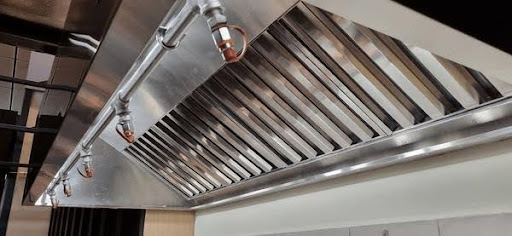
Kitchen fire suppression systems are critical safety installations designed to detect and extinguish fires in commercial cooking environments. Restaurants face a higher risk of fire due to open flames, hot oils, and continuous cooking operations. These systems provide immediate response, reducing damage, downtime, and risk to lives.
Commercial kitchens operate under intense heat and fast-paced conditions where a small mistake can quickly escalate into a fire emergency. Investing in a reliable suppression system is not just a regulatory requirement but a practical necessity for operational continuity. Many restaurant owners rely on trusted providers like Liberty Fire Solution to ensure proper installation and compliance with safety standards.
What Makes Kitchen Fires So Dangerous?
Kitchen fires spread rapidly because of grease buildup, high temperatures, and flammable materials. Once ignited, grease fires can intensify within seconds and become difficult to control manually. Traditional extinguishers are often insufficient for handling such specialized fire hazards.
Additionally, kitchens often have limited space and ventilation systems that can carry flames or smoke quickly. This increases the risk to both staff and customers present in the establishment. Without an automatic suppression system, response time becomes a critical vulnerability.
How Fire Suppression Systems Work
Fire suppression systems are designed to detect heat or flames and activate automatically. They release chemical agents that suppress flames and cool down cooking surfaces. At the same time, they shut off fuel sources such as gas lines to prevent further escalation.
These systems are typically installed in hoods, ducts, and above cooking equipment. Their automatic functionality ensures action even when staff are unable to respond immediately. This reduces reliance on human intervention during high-stress situations.
Legal Requirements and Compliance in the U.S.
In the United States, fire safety regulations require commercial kitchens to install approved suppression systems. Authorities such as local fire departments and health inspectors enforce these standards. Non-compliance can lead to fines, closures, or denial of operating licenses.
Insurance companies also mandate these systems for coverage eligibility. Restaurants without proper fire suppression may face higher premiums or denied claims. Compliance not only ensures safety but also protects financial stability.
Financial Protection and Cost Savings
While installation costs may seem high initially, fire suppression systems save significant money in the long run. They prevent extensive property damage and reduce business interruption. A single fire incident can cost thousands in repairs, lost revenue, and legal liabilities.
Additionally, insurance discounts are often available for restaurants with certified systems. This makes the investment more cost-effective over time. Preventive safety measures always cost less than post-disaster recovery.
Protecting Staff and Customers
The safety of employees and customers is a top priority for any restaurant. Fire suppression systems provide immediate protection, minimizing injuries and panic during emergencies. This helps maintain a secure dining environment.
Quick fire control also allows for safer evacuation procedures. Staff can focus on guiding customers rather than fighting uncontrolled flames. This significantly reduces the risk of casualties.
Reducing Business Downtime
Fires can force restaurants to shut down for weeks or even months. Repairs, inspections, and legal processes can delay reopening. Fire suppression systems help contain damage, allowing businesses to resume operations faster.
Maintaining continuity is crucial in the competitive restaurant industry. Even short closures can result in loss of loyal customers. Prevention ensures stability and long-term success.
Key Takeaways
- Kitchen fire suppression systems are essential for controlling high-risk cooking fires quickly.
- They automatically detect and extinguish fires, reducing damage and danger.
- U.S. regulations require these systems for compliance and insurance coverage.
- They provide financial protection by minimizing repair and downtime costs.
- Staff and customer safety improves significantly with immediate fire control.
- Investing in suppression systems ensures long-term operational stability.
- Preventive fire safety measures are more cost-effective than post-fire recovery.
Stay in touch to get more updates & news on Magazine!

