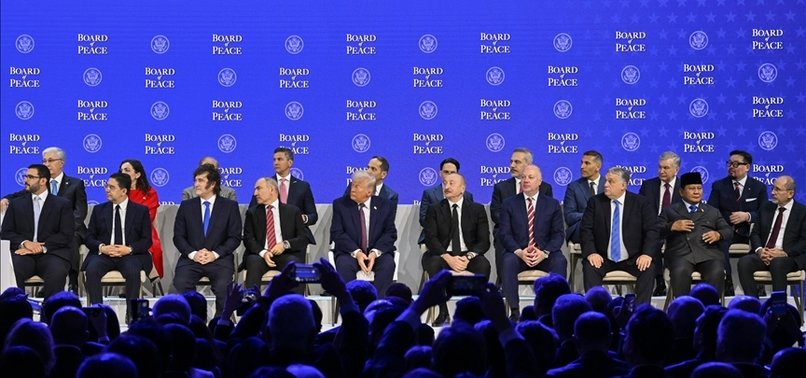
February 7, 2026 – Washington, D.C. The White House announced today that it will host a high-level gathering of international leaders focused on Gaza reconstruction and long-term peace efforts. Scheduled for February 19, the “Board of Peace” meeting in Washington will bring together representatives from multiple nations and organizations to coordinate humanitarian aid, political engagement, and infrastructure rebuilding in Gaza.
Officials described the meeting as a pivotal step in U.S.-led efforts to stabilize the region after years of conflict and humanitarian crises. “This is about taking practical steps to support the people of Gaza while encouraging long-term peace,” said a senior administration official. “The United States is committed to facilitating cooperation among key stakeholders and ensuring that assistance reaches those who need it most.”
The initiative comes amid ongoing tensions between Israel and Palestinian authorities, with sporadic violence continuing to affect civilian populations. In recent months, international organizations have warned of deteriorating conditions, including shortages of clean water, electricity, and medical supplies.
Participants in the upcoming meeting are expected to include representatives from Egypt, Jordan, and other regional powers, alongside officials from the United Nations and prominent humanitarian organizations. The discussions will reportedly focus on practical measures such as rebuilding schools, hospitals, and essential infrastructure, while also promoting dialogue between local leaders and international actors.
U.S. policymakers hope the gathering will serve as a platform to coordinate both financial and technical support for Gaza, while simultaneously laying the groundwork for longer-term political solutions. While previous peace initiatives have faced setbacks, administration officials emphasize a focus on measurable outcomes and actionable plans.
Critics, however, caution that without sustained commitment from all parties involved, the effort risks being symbolic rather than transformative. Analysts note that past international summits have sometimes failed to address underlying political and social tensions, leaving humanitarian projects vulnerable to disruption.
Still, proponents argue that the meeting could mark a turning point, offering a structured approach to a region long plagued by instability. The U.S. government has emphasized that it will continue to engage both regional and global partners in follow-up actions, ensuring that discussions translate into meaningful assistance.
The meeting also underscores the U.S.’s broader role in Middle East diplomacy, signaling a renewed commitment to proactive engagement. Observers suggest that the outcomes of this summit could influence broader U.S. foreign policy in the region, particularly regarding relations with Israel, Palestine, and neighboring countries.
As February 19 approaches, attention will focus on both the agenda of the gathering and the tangible outcomes that emerge. The international community will be watching closely to see whether the United States can successfully convene a cooperative effort aimed at stability, development, and lasting peace in Gaza.

