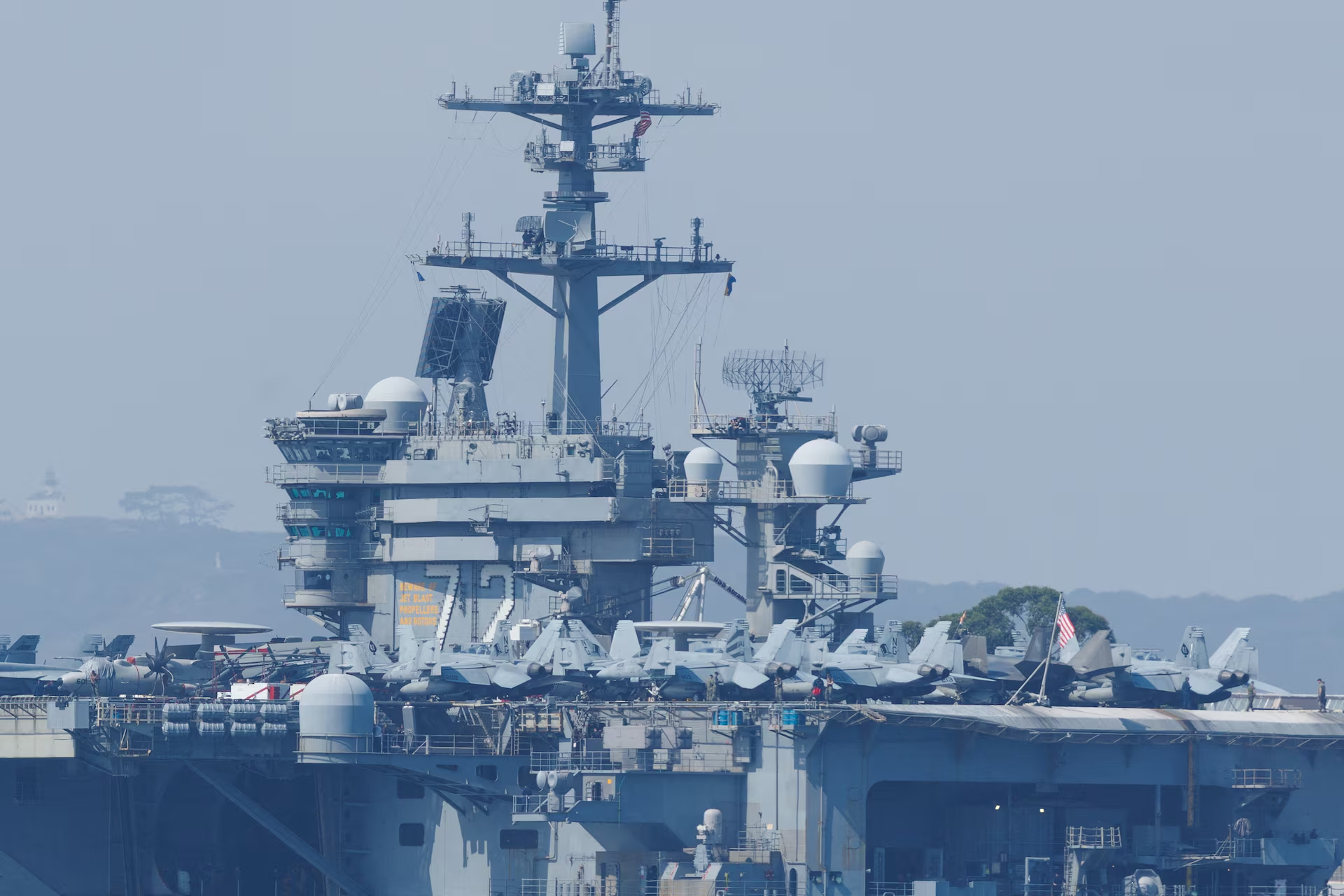
FEBRUARY 4, 2026 — WASHINGTON — U.S. defense officials confirmed Tuesday that American forces shot down an Iranian drone operating near U.S. naval assets in the Arabian Gulf, escalating tensions just days before scheduled nuclear negotiations between Washington and Tehran.
According to Pentagon officials, the unmanned aerial vehicle approached within what commanders described as an “unsafe and aggressive range” of a U.S. destroyer conducting routine maritime security operations. The drone was neutralized after multiple warnings were issued.
No injuries or damage were reported.
The incident comes at a delicate diplomatic moment. U.S. and Iranian representatives are expected to resume indirect nuclear talks later this week, with Oman serving as a potential mediator. The discussions aim to address uranium enrichment limits, sanctions relief, and regional security concerns.
Defense Secretary officials characterized the drone activity as “provocative but not unprecedented,” noting that encounters between U.S. and Iranian forces have occurred intermittently in the region for years.
Tehran has not immediately issued a formal statement, though state-aligned media outlets described the drone as conducting routine surveillance within Iranian airspace.
Security analysts warn that even minor confrontations risk complicating fragile diplomatic efforts. “When military incidents occur this close to negotiations, they can either harden positions or accelerate back-channel communication,” said one former State Department official.
The Strait of Hormuz, a strategic waterway through which roughly one-fifth of global oil supply passes, remains a focal point of geopolitical friction. Shipping companies have monitored developments closely, though energy markets reacted cautiously, with oil prices showing only moderate movement Tuesday morning.
The Biden and Trump administrations alike have historically emphasized freedom of navigation in the region. Current officials reiterated that U.S. forces will continue to operate in accordance with international maritime law.
On Capitol Hill, lawmakers offered differing reactions. Some called for stronger deterrence measures against Tehran, while others urged restraint to preserve diplomatic pathways.
The upcoming nuclear discussions represent the first sustained attempt in months to re-establish parameters around Iran’s enrichment program. International observers, including European allies, have expressed cautious optimism but acknowledge that trust between the two nations remains limited.
Military experts note that drone technology has become a central feature of modern regional conflicts, lowering the threshold for confrontation while increasing surveillance capabilities.
For now, defense officials say U.S. naval operations in the Gulf continue without interruption. Whether Tuesday’s encounter becomes a footnote or a turning point may depend on the tone and outcome of negotiations in the days ahead.

