Washington, Jan. 31, 2026 — The United States on Friday imposed an expanded round of sanctions against senior Iranian officials and business figures, escalating economic pressure amid deepening tensions between Washington and Tehran over human rights abuses, nuclear ambitions, and regional security. The move reflects a broader U.S. strategic posture that blends punitive financial measures with diplomatic messaging ahead of potential negotiations or confrontation.
At the center of the sanctions was Iran’s Interior Minister Eskandar Momeni, who was targeted over his alleged role in directing security forces responsible for a violent crackdown on nationwide protests earlier this year. U.S. officials accused Momeni of overseeing forces that engaged in lethal suppression of demonstrators, which rights groups say resulted in thousands of injuries and deaths.
The sanctions, implemented by the U.S. Department of the Treasury, also targeted Iranian businessman Babak Zanjani, along with several digital asset exchanges based in the United Kingdom accused of facilitating financial transactions that benefit Iran’s Islamic Revolutionary Guard Corps (IRGC). By freezing these individuals’ access to U.S. financial markets and prohibiting American businesses from engaging with them, the administration aims to cut off channels of revenue supporting Tehran’s security apparatus and nuclear program.
“The United States remains committed to holding accountable those who enable human rights abuses and undermine regional stability,” Treasury Secretary Scott Bessent said in a statement. “These actions reflect continued U.S. resolve to disrupt networks that fund violence and radicalism.”
Iran’s government condemned the sanctions as illegal and provocative, vowing reciprocal measures against U.S. interests and characterizing the actions as part of a broader campaign of “economic warfare.” Senior Iranian officials also reiterated that Tehran remains open to diplomacy but rejected what they called “unjust” preconditions tied to its defensive and nuclear programs.
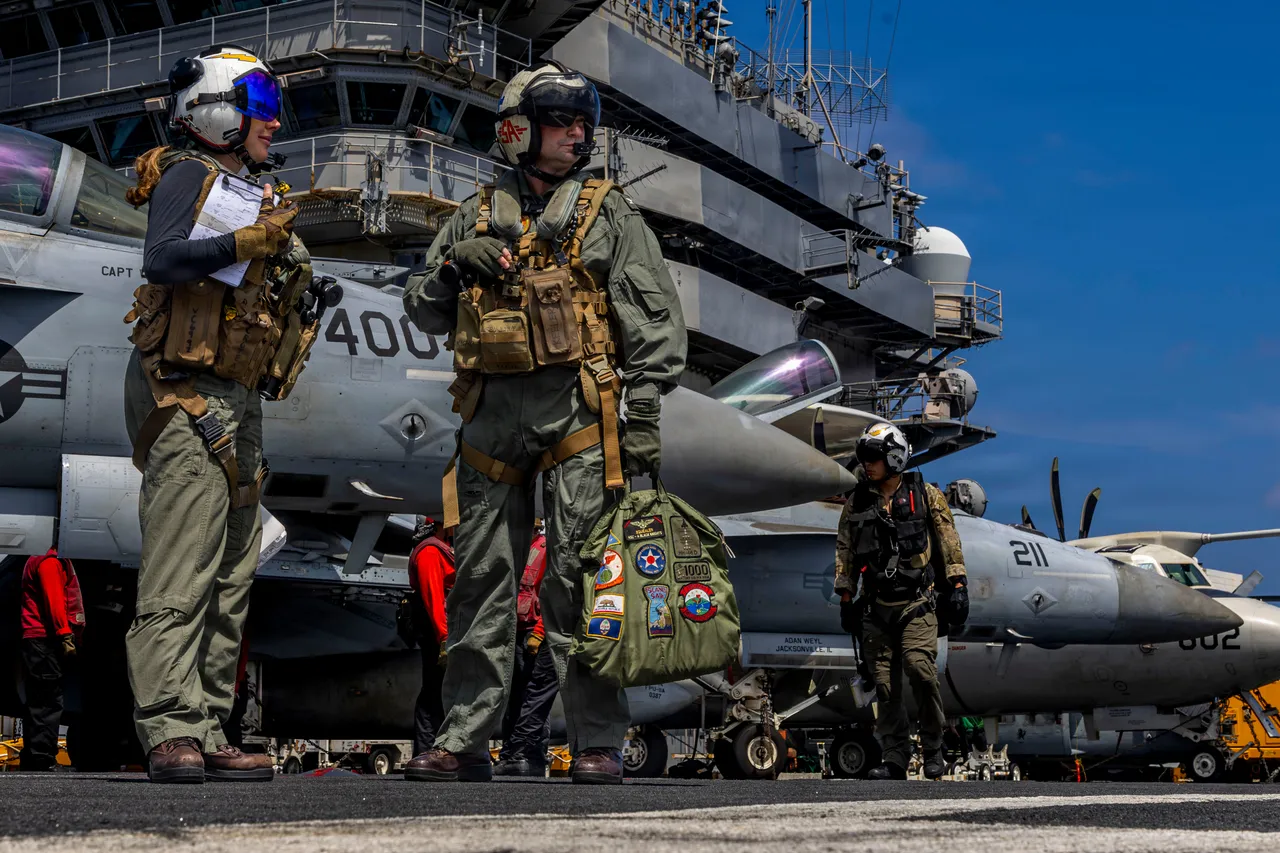
The expanded sanctions come amid broader escalations in U.S.–Iran relations, including reports of naval exercises and warships operating in proximity amid heightened alert levels. Regional authorities and international observers have expressed concerns that miscalculations could escalate tensions further.
The White House signaled that sanctions are one element of a multifaceted strategy intended to pressure Tehran while preserving room for negotiation. U.S. officials have repeatedly stated that Iran could face reduced restrictions if it agrees to verifiable limits on certain military and nuclear activities, though Iranian leaders have so far resisted such terms. Analysts say the diplomatic impasse is likely to persist as both sides weigh domestic political considerations and strategic interests.
Domestic political pressures also play a role in shaping U.S. policy toward Iran, as lawmakers in both parties advocate for firm stances against perceived aggression and human rights violations. Sanctions measures have traditionally enjoyed bipartisan support on Capitol Hill, even amid broader divisions over foreign policy priorities.
In parallel developments, the European Union is poised to add Iran’s Islamic Revolutionary Guard Corps to its list of terrorist organizations, a move that could harmonize transatlantic pressure and further isolate Tehran economically and diplomatically.
The unfolding situation will likely remain a central focus for policymakers in Washington, as the strategic balance in the Middle East continues to evolve with potential implications for energy markets, defense postures, and global diplomatic alignments.

