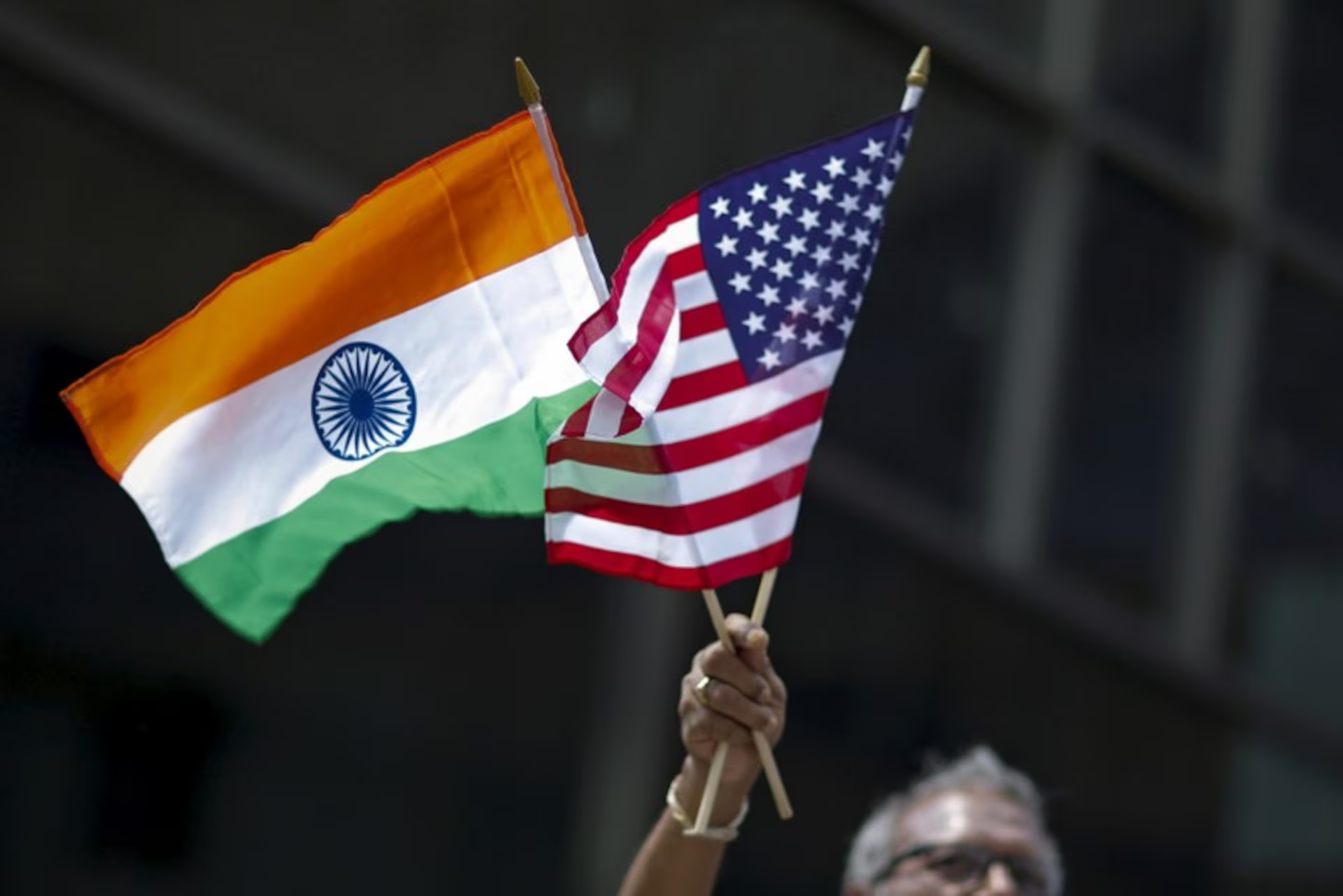
February 3, 2026 – Washington, D.C. / New Delhi In a significant development for global trade, the United States and India announced a sweeping bilateral agreement on Tuesday, reducing tariffs and expanding market access for American exports. The deal, struck after months of negotiations, is expected to strengthen economic ties, boost U.S. manufacturing, and solidify strategic cooperation between the two nations.
Under the agreement, India has committed to purchasing over $500 billion in U.S. goods, including defense equipment, energy products, and agricultural commodities. In return, the United States agreed to lower certain trade barriers and streamline regulatory approvals, making it easier for Indian firms to operate in American markets. The pact is being hailed as a milestone in economic diplomacy, particularly amid ongoing global supply chain challenges.
“This agreement marks a new chapter in U.S.–India relations,” President Trump said during a joint virtual call with Indian Prime Minister Narendra Modi. “It creates jobs, strengthens our economy, and enhances the partnership between our two great nations.” Modi described the pact as “a forward-looking collaboration that reflects our shared commitment to trade, technology, and mutual growth.”
Industry leaders in both countries have praised the deal, emphasizing its potential to boost sectors such as energy, defense, and agriculture. Analysts note that by lowering tariffs from previously high levels to approximately 18 percent, the agreement removes barriers that had hindered trade and investment. U.S. exporters, particularly in the Midwest, anticipate increased demand for agricultural commodities such as wheat, soybeans, and dairy products.
“This deal opens doors for American farmers and manufacturers who have long sought access to the Indian market,” said Jonathan Reed, president of the National Export Council. “It’s a win for U.S. economic competitiveness and global trade engagement.”
Strategically, the pact strengthens the U.S.–India partnership in an increasingly complex international landscape. Both nations have expressed interest in collaborating on advanced technology, cybersecurity, and energy security initiatives, signaling a broader commitment beyond mere economic transactions.
Some experts caution that the implementation phase will be critical, noting that regulatory alignment and enforcement mechanisms will determine the long-term success of the agreement. “Agreements like this can have immense potential, but practical challenges such as customs procedures, quality standards, and logistical infrastructure must be addressed,” said Dr. Priya Menon, an economist at the Center for Global Trade Studies.
In the United States, lawmakers on both sides of the aisle have voiced support, highlighting the job creation potential and the strengthening of strategic alliances. At the same time, some critics warn that domestic industries may face competition from increased imports, emphasizing the need for careful monitoring.
For India, the deal represents an opportunity to access advanced U.S. technologies and expand its global trade footprint. Indian companies have expressed optimism about new opportunities in energy and defense, sectors crucial to India’s long-term development plans.
As both governments move to finalize the details, business leaders, trade experts, and policymakers are closely watching the pact’s impact on the global economy. With tariffs lowered, market access improved, and strategic collaboration enhanced, Tuesday’s announcement is being hailed as a landmark moment in U.S.–India relations, one likely to shape the next decade of economic and diplomatic engagement.

