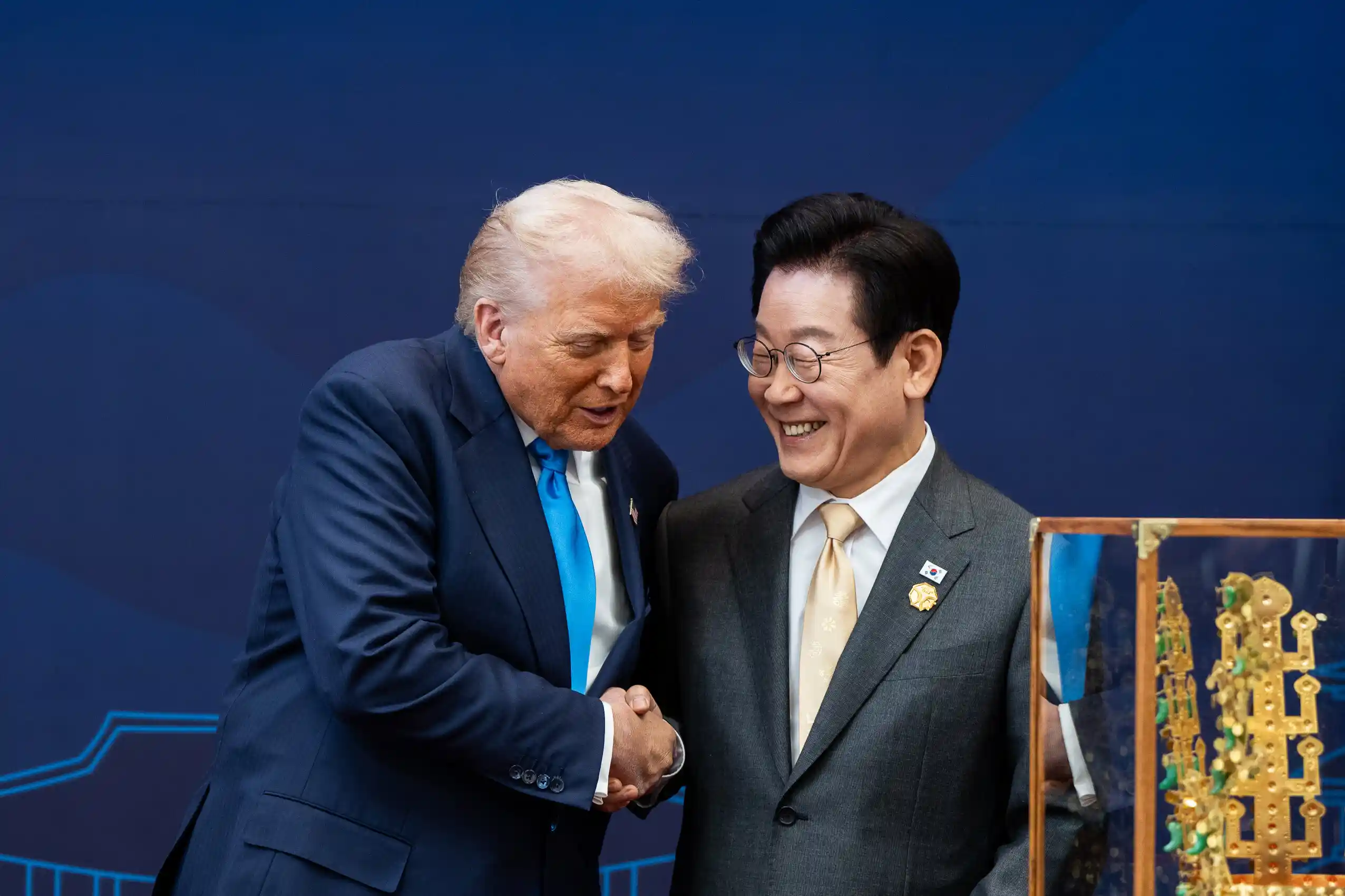
SEOUL/WASHINGTON, Jan. 27, 2026 — President Donald Trump on Tuesday announced sweeping tariff hikes on South Korean imports into the United States, escalating trade tensions with a key U.S. ally and raising concerns among economists and business leaders about the potential fallout for global supply chains and diplomatic relations.
In a move that surprised officials in Seoul, Trump declared tariffs on South Korean automobiles, lumber, pharmaceuticals and other goods would rise from 15% to 25%, citing delays by South Korea’s legislature in ratifying a bilateral trade and investment agreement reached in mid‑2025. The administration says the pact’s benefits are contingent on timely implementation, a position Seoul disputes.
“South Korea agreed to reforms and investments in exchange for tariff reductions,” the White House said in a statement. “We expect our partners to uphold their commitments. Failure to do so will result in reciprocal measures.”
Seoul Responds With Caution
South Korean officials responded that the tariff increase was premature and that discussions to resolve outstanding issues were already underway. A government spokesperson emphasized Seoul’s commitment to completing the legislative process swiftly and reiterated the country’s longstanding interest in strengthening economic ties with the United States.
“We are committed to maintaining our alliance and working through mechanisms to address each side’s concerns,” said the spokesperson. “Imposing tariffs now could undermine progress and destabilize confidence among investors.”
Trade analysts say the tariffs could hit major South Korean exporters, including automakers like Hyundai and Kia, as well as companies in the pharmaceutical and lumber sectors. Higher U.S. duties are expected to dampen demand for imported vehicles and raise production costs for sectors reliant on global inputs.
Impact on Markets and Industry
Financial markets reacted sharply to the announcement. Shares of South Korean automotive and industrial firms dipped on concerns over reduced access to the U.S. market, while U.S. auto manufacturers and lumber producers saw modest gains on speculation that higher tariffs might protect domestic output.
Industry groups warned that tariff hikes risk disrupting complex global supply chains that have evolved over decades, particularly in the automotive industry, where parts and finished vehicles frequently cross borders multiple times during manufacture. “Tariff volatility introduces uncertainty businesses can’t afford,” said a manufacturing association representative. “We urge both governments to seek negotiated solutions.”
Negotiations and Diplomatic Efforts
Despite the escalation, both Washington and Seoul signaled willingness to continue dialogue. South Korean envoys were expected to travel to Washington in early February for trade consultations, aiming to find common ground on legislative implementation, investment commitments and tariff enforcement mechanisms.
Senior U.S. trade officials reiterated that the ultimate goal is a fair and balanced trade relationship that accommodates both nations’ economic priorities. They emphasized that tariffs, while disruptive, serve as leverage to ensure compliance with agreed terms.
Political Dimensions in Both Capitals
In Washington, the tariff announcement has drawn bipartisan attention. Supporters of the administration’s tougher trade stance argue that strategic leverage is needed to protect U.S. industries from unfair foreign practices. Critics, including some lawmakers and business advocates, caution that targeting allies risks fracturing diplomatic alliances at a time of geopolitical challenges, particularly as tensions with China and Iran remain high.
In Seoul, opposition lawmakers have seized on the dispute as evidence of the need for caution when engaging with U.S. trade policy, while ruling party officials stress the importance of upholding treaty obligations without yielding to punitive measures.
Outlook and Broader Implications
Economists say the dispute could reverberate beyond bilateral relations, potentially influencing other trade negotiations and prompting partner countries to reassess their exposure to U.S. tariff policies. Some analysts believe protracted negotiations may eventually yield a compromise, while others warn the standoff could harden positions and prolong uncertainty.
For now, businesses on both sides of the Pacific are bracing for continued volatility as governments navigate a high‑stakes trade negotiation against a backdrop of broader economic and geopolitical pressures.

