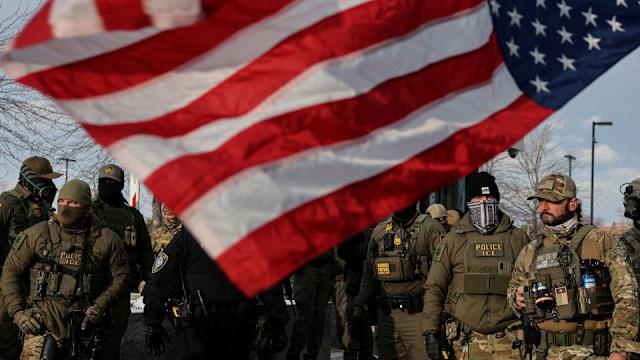
MINNEAPOLIS / CHICAGO / LOS ANGELES, January 30, 2026 — In a striking demonstration of grassroots mobilization, hundreds of thousands of Americans participated in a nationwide strike today — abandoning workplaces, classrooms and shopping districts to protest federal immigration enforcement policies. Dubbed the “National Shutdown” by organizers, the movement has become one of the largest coordinated civil actions in recent U.S. history.
From Minneapolis — ground zero for much of the unrest — to Chicago’s downtown business district, crowds of protesters marched with banners, chanted slogans, and confronted local authorities in mostly peaceful demonstrations. The strike followed weeks of mounting tension over the federal government’s immigration strategy, which critics charge has escalated aggressive tactics that led to the deaths of several civilians earlier this month.
The deaths of Renée Good and Alex Pretti — both U.S. citizens fatally shot during encounters with ICE agents — ignited a wave of public anger, setting the stage for today’s unprecedented march‑and‑strike movement. Organizers called on Americans to reject business as usual, asserting that economic disruption would underscore the urgency of structural reform.
“This isn’t just about a policy,” said Sofia Martinez, a community organizer in Los Angeles. “It’s about affirming human dignity and demanding accountability when federal power is misused.”
Across Minneapolis, students from universities and high schools staged walkouts, while local unions representing healthcare workers and municipal employees supported the strike with sanctioned time off for participants. Business closures were reported in several major cities as retailers and small business owners opted to close their doors in solidarity or due to reduced staffing.
In Chicago, protesters gathered at Millennium Park before marching toward the Federal Building, where speakers decried what they described as systemic abuses in federal immigration enforcement. “We are here because our fellow Americans deserve protection, not violence,” said Malik Johnson, a local union leader, to the crowd.
Authorities reported mostly peaceful demonstrations, though law enforcement in some cities made arrests for minor offenses and violations of public assembly regulations. Police departments emphasized the importance of maintaining order while respecting citizens’ rights to protest.
The strike movement drew support from an unusually broad range of groups, including student associations, labor unions, civil rights organizations and faith‑based advocates. In New York City, healthcare workers and transit employees stood with demonstrators, underscoring the strike’s expansive reach beyond traditional activist circles.
While many protesters highlighted concerns over immigration enforcement policy, political reactions were deeply divided. Democratic officials called for substantive legislative reform, with some advocating for increased transparency, independent investigations into federal enforcement practices and limits on certain operational authority. Republican lawmakers, on the other hand, defended the role of federal agencies in maintaining border security and enforcing immigration laws, warning that reforms could hamper enforcement efforts.
President Trump acknowledged the protests in a brief statement, urging citizens to exercise their rights peacefully and emphasizing the importance of continued dialogue. White House officials reiterated support for federal agencies tasked with border security, while signaling a willingness to engage with lawmakers on potential adjustments to enforcement protocols.
Public opinion on the strike and underlying issues remains sharply polarized. Polls conducted over recent weeks show a widening divide between Americans who view federal immigration enforcement as necessary for national security and those who believe the current strategy infringes on civil rights and demands reform.
Economists tracking the strike’s impact noted that while short‑term disruptions were limited, prolonged actions could have broader implications for local economies and consumer confidence — particularly in urban centers where demonstrations were most concentrated.
As the sun set on January 30, many participants vowed that the strike was only a beginning, not an endpoint. Planned follow‑up actions, community dialogues and political engagement were being organized across states, signaling that the national conversation over immigration enforcement is entering a new, energized phase.

