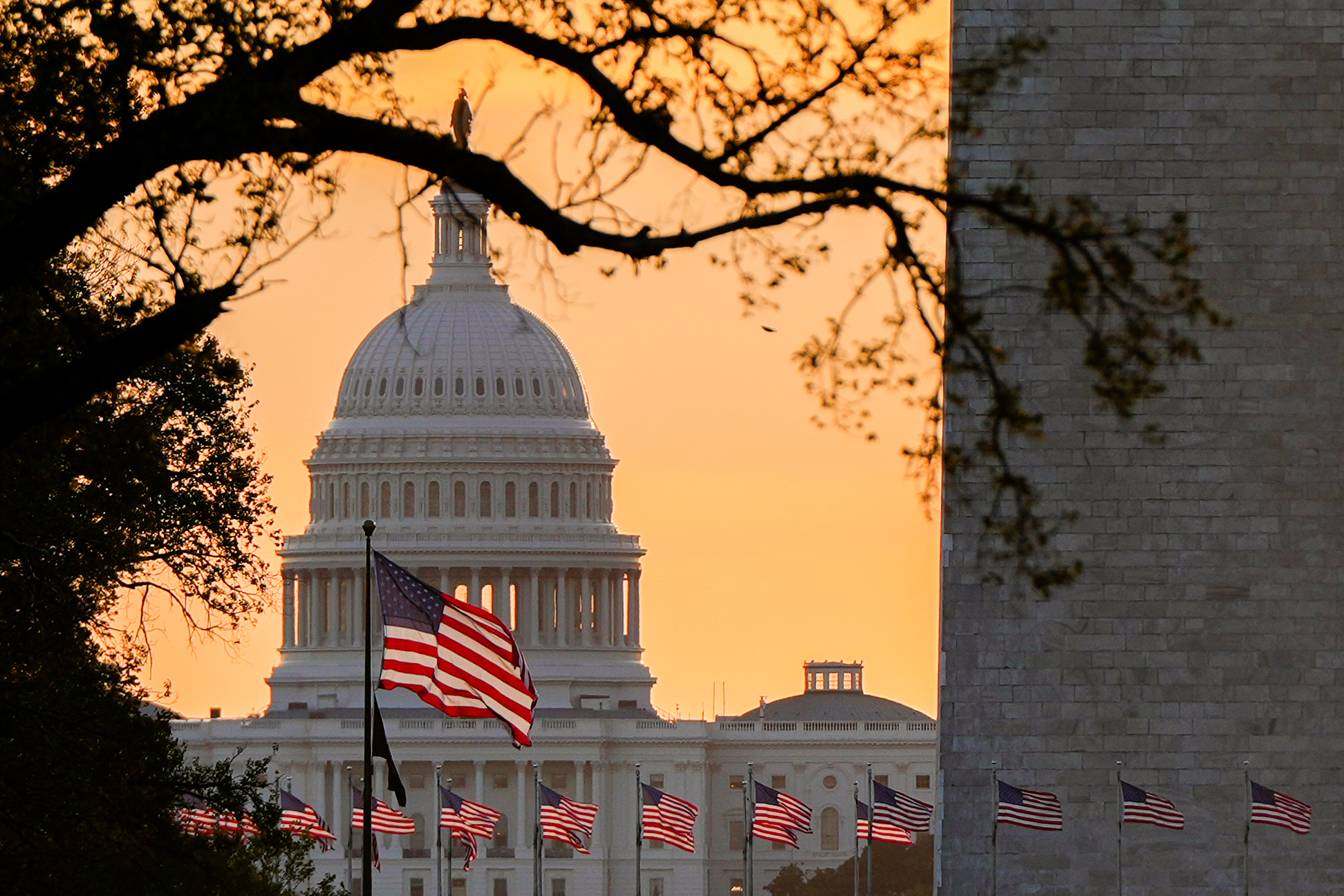
WASHINGTON, Jan. 29, 2026 – The U.S. Congress faces the looming possibility of a government shutdown as negotiations over immigration funding reach a critical juncture. Lawmakers are racing against a Wednesday deadline to secure appropriations for key federal departments, with political disagreements threatening to stall essential government functions.
The debate centers on funding for the Department of Homeland Security (DHS) and related immigration programs, including border security and refugee processing. Democrats are pushing for provisions that expand oversight and improve humanitarian treatment, while Republicans emphasize stronger enforcement and operational control.
House Appropriations Committee Chair Maria Sanchez expressed cautious optimism, saying that both parties are “working diligently to reach a compromise.” However, she acknowledged the challenges posed by differing priorities and political pressure from party bases.
President Trump weighed in from the White House, underscoring his administration’s focus on border security and demanding a swift resolution. “We need strong funding for our officers and facilities,” Trump said. “Delays put the safety of Americans at risk.”
If Congress fails to pass the necessary appropriations by midnight, non-essential federal operations could be temporarily suspended, impacting hundreds of thousands of workers and disrupting services nationwide. Past shutdowns have resulted in delays for federal employees, national parks closures, and interruptions in social services.
The standoff has prompted concern from business groups, advocacy organizations, and state governments that rely on federal programs. The U.S. Chamber of Commerce warned that a prolonged shutdown could hurt economic stability and investor confidence.
Meanwhile, public opinion appears divided, with citizens expressing frustration at partisan gridlock. “We need our government to work for the people, not against each other,” said Washington resident Derek Thompson. “Shutdowns are expensive and unnecessary.”
Political analysts suggest that the situation reflects a broader struggle over immigration policy and partisan priorities. “Immigration funding has become a symbolic battleground,” said Dr. Lisa Raymond, a political science professor at George Washington University. “The stakes are high, and failure to compromise could have real-world consequences.”
Negotiations continue behind closed doors, with aides from both parties engaging in shuttle diplomacy to bridge gaps. Some lawmakers have suggested short-term continuing resolutions as a temporary measure, while others insist on comprehensive legislation before approving any funding.
As the deadline approaches, the nation watches closely. A government shutdown could affect multiple federal agencies, from transportation and agriculture to housing and education, highlighting the critical importance of congressional action.
Officials have urged calm and patience, emphasizing that both sides remain committed to avoiding a shutdown. The outcome will have immediate and tangible effects on federal operations and could influence public sentiment ahead of upcoming elections.

