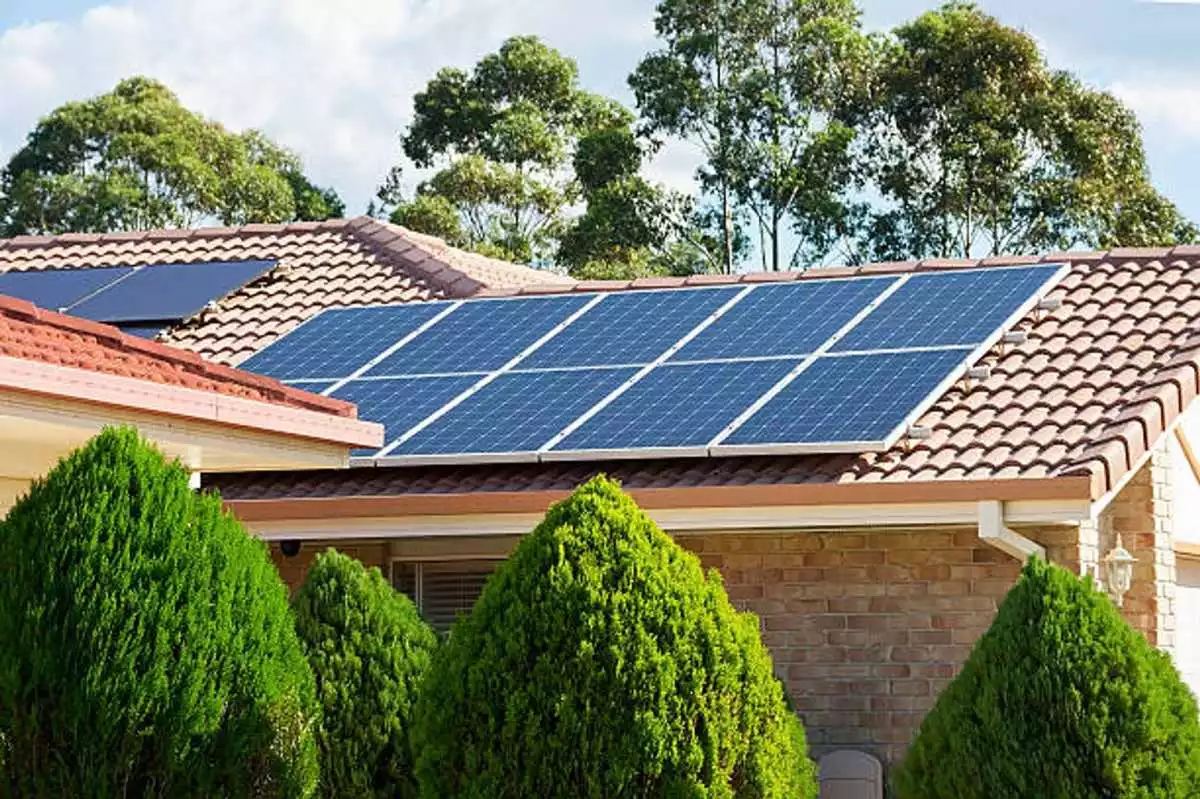
With energy costs continuing to rise and homeowners looking for smarter ways to reduce monthly expenses, solar panels have become one of the most popular home improvement upgrades. Once considered a luxury, residential solar systems are now more affordable and widely available than ever before.
Many homeowners are attracted by the promise of lower electricity bills, increased property value, and cleaner energy. At the same time, questions about installation costs, maintenance, and long-term savings make some people wonder whether solar panels are truly worth the investment.
The answer isn’t the same for every home. Factors such as your location, roof condition, local electricity rates, and available incentives all play an important role.
This guide explains how residential solar panels work, their advantages and disadvantages, installation costs, expected savings, and the key factors you should consider before making a decision.
What Are Solar Panels?
Solar panels are devices that convert sunlight into electricity. They contain photovoltaic (PV) cells that capture energy from the sun and generate direct current (DC) electricity. An inverter then converts that electricity into alternating current (AC), which powers appliances, lighting, and other electrical systems throughout your home.
Most residential solar systems include:
- Solar panels
- Mounting equipment
- Inverter
- Electrical wiring
- Monitoring system
- Optional battery storage
Together, these components create a system that helps reduce your dependence on traditional electricity from the utility grid.
How Do Home Solar Panels Work?
During daylight hours, solar panels absorb sunlight and generate electricity. If your home uses less electricity than your system produces, the excess energy may be sent back to the electrical grid or stored in a home battery, depending on your setup.
At night or during cloudy weather, your home can draw electricity from stored battery power or the utility grid.
Many homeowners remain connected to the grid even after installing solar panels, ensuring they always have access to electricity when solar production is lower.
Benefits of Installing Solar Panels
Lower Electricity Bills
One of the biggest reasons homeowners invest in solar panels is the opportunity to reduce monthly energy costs.
By producing your own electricity, you purchase less power from your utility company. Over time, these savings can add up significantly, especially in areas with high electricity rates.
Long-Term Savings
Although solar systems require a substantial upfront investment, they often provide savings for decades.
Most modern solar panels are designed to operate efficiently for 25 years or longer. During that time, homeowners may save thousands of dollars on electricity, depending on energy usage and local utility prices.
Increased Home Value
Many buyers view solar panels as a valuable home improvement.
A professionally installed solar system may increase your property’s appeal because future owners can benefit from lower energy costs and an existing renewable energy system.
Environmentally Friendly Energy
Solar energy is a renewable resource that produces electricity without generating direct air pollution during operation.
By using solar power, homeowners can reduce their reliance on fossil fuels and lower their household’s environmental impact.
Low Maintenance
Solar panels require relatively little maintenance.
Routine care generally involves:
- Removing leaves and debris
- Cleaning dirt from the panels when necessary
- Inspecting wiring periodically
- Monitoring system performance
Most systems continue operating efficiently with minimal attention.
Protection Against Rising Energy Costs
Electricity prices tend to increase over time.
Generating your own electricity helps reduce the impact of future utility rate increases, providing greater control over long-term energy expenses.
Potential Drawbacks of Solar Panels
High Upfront Cost
The largest obstacle for many homeowners is the initial installation cost.
Although financing options and incentives can reduce the financial burden, purchasing and installing a complete solar system still requires a significant investment.
Weather Dependence
Solar panels produce the most electricity on sunny days.
Production decreases during:
- Cloudy weather
- Heavy rain
- Snow accumulation
- Short winter days
However, modern systems continue generating electricity even under less-than-ideal weather conditions.
Roof Requirements
Not every roof is suitable for solar installation.
Factors that affect performance include:
- Roof age
- Roof orientation
- Shade from trees
- Roof size
- Structural condition
If your roof needs replacement soon, it’s often recommended to complete that project before installing solar panels.
Installation Time
Installing a residential solar system involves more than placing panels on the roof.
The process may include:
- Site evaluation
- System design
- Permit approvals
- Utility coordination
- Installation
- Final inspection
Depending on your location, the entire process can take several weeks.
Understanding Solar Panel Costs
The cost of a home solar system varies based on several factors.
These include:
- System size
- Roof complexity
- Equipment quality
- Installation labor
- Local permitting requirements
- Battery storage options
Although costs differ from one home to another, homeowners should compare multiple quotes before making a decision.
Factors That Affect Solar Savings
Every home produces different results after installing solar panels.
Several factors influence potential savings.
Local Electricity Rates
Higher utility rates generally increase the financial value of producing your own electricity.
Available Sunlight
Homes located in sunny regions typically generate more electricity throughout the year.
Energy Consumption
Homes with higher electricity usage often benefit more from larger solar systems.
Roof Orientation
South-facing roofs usually receive the greatest amount of sunlight, although east- and west-facing roofs can also perform well.
System Size
Larger systems produce more electricity but also require a greater initial investment.
Should You Add Battery Storage?
Many homeowners now consider adding battery storage to their solar systems.
A home battery allows you to:
- Store excess daytime electricity
- Use stored energy after sunset
- Reduce dependence on the utility grid
- Improve backup power during outages
While batteries increase installation costs, they also provide greater energy independence.
Solar Panels vs Traditional Electricity
| Feature | Solar Panels | Utility Electricity |
|---|---|---|
| Monthly Energy Bills | Lower | Ongoing Utility Payments |
| Upfront Cost | Higher | None |
| Environmental Impact | Low | Higher |
| Long-Term Savings | Excellent | Limited |
| Maintenance | Low | None for Homeowner |
| Energy Independence | Higher | Lower |
Who Should Consider Solar Panels?
Solar panels may be an excellent investment if you:
- Plan to stay in your home for many years
- Have a roof in good condition
- Receive plenty of sunlight
- Want to reduce electricity bills
- Value environmentally friendly energy
- Want greater energy independence
When Solar Panels May Not Be the Best Choice
Solar panels may provide fewer benefits if:
- Your roof requires replacement soon
- Your home receives significant shade throughout the day
- You plan to move in the near future
- Local electricity rates are already very low
- Your roof has limited usable space
In these situations, the financial return may be smaller.
Tips Before Installing Solar Panels
Before signing a contract, consider these recommendations:
- Obtain estimates from multiple installers.
- Compare equipment warranties.
- Review financing options.
- Confirm roof condition.
- Understand expected energy production.
- Ask about maintenance requirements.
- Review available incentives in your area.
Careful planning helps ensure you choose the right system for your home’s needs.
Frequently Asked Questions
How long do solar panels last?
Most residential solar panels are designed to last 25 to 30 years or longer, with gradual reductions in efficiency over time.
Do solar panels work on cloudy days?
Yes. Solar panels continue producing electricity during cloudy weather, although output is lower than on bright, sunny days.
Do solar panels require a lot of maintenance?
No. Occasional cleaning, routine inspections, and monitoring system performance are usually all that’s required.
Will solar panels eliminate my electricity bill?
Not always. Savings depend on your system size, energy usage, and local utility policies. Some homeowners still purchase electricity from the grid during periods of low solar production.
Can solar panels increase home value?
In many cases, professionally installed solar systems can make a property more attractive to buyers who value lower energy costs.
Is battery storage necessary?
No. Many homeowners successfully use grid-connected solar systems without batteries. Battery storage is an optional upgrade that provides additional flexibility and backup power.
Final Thoughts
Solar panels can be an excellent long-term investment for homeowners who want to lower electricity costs, reduce their environmental impact, and increase energy independence. While the upfront cost is higher than many other home improvements, the potential savings over the life of the system can make the investment worthwhile for the right property.
Before making a decision, evaluate your home’s roof, local climate, electricity usage, and long-term plans. Comparing quotes from experienced installers and understanding all costs involved will help you choose a system that delivers the best value. With careful planning, solar panels can provide reliable, clean energy and lasting financial benefits for many years.

