Energy efficiency has become one of the most important goals for modern homeowners. Rising electricity costs and environmental concerns have made people more focused on how their homes consume energy. The good news is that you don’t need expensive renovations to see real savings. Simple, smart improvements can significantly reduce monthly utility bills while improving comfort.
Here are the most effective energy saving home improvements that make a noticeable difference.
Switch to LED Lighting
One of the easiest energy upgrades is replacing old bulbs with LED lighting.
LED bulbs use far less electricity and last much longer than traditional incandescent bulbs. This means lower electricity bills and fewer replacements.
They also produce less heat, helping keep indoor spaces cooler.
It’s a small change with long-term savings.
Improve Home Insulation
Proper insulation helps maintain indoor temperature more efficiently.
Well-insulated walls, roofs, and floors reduce the need for heating and cooling systems.
Sealing gaps around doors and windows prevents air leakage.
This reduces energy waste and improves overall comfort.
Upgrade to Energy-Efficient Appliances
Old appliances consume significantly more electricity.
Energy-rated refrigerators, washing machines, and air conditioners are designed to use less power.
Although they may cost more initially, they save money over time.
These appliances also perform more efficiently.
Install Smart Thermostats
Smart thermostats automatically adjust temperature based on your routine.
They reduce energy use when you are away and optimize comfort when you are home.
Remote control through mobile apps adds convenience.
This upgrade helps reduce heating and cooling costs significantly.
Use Natural Lighting Effectively
Maximizing daylight reduces the need for artificial lighting.
Large windows and open layouts help bring in more sunlight.
Light-colored walls reflect natural light better, brightening rooms.
This simple habit reduces electricity usage during the day.
Seal Windows and Doors Properly
Poorly sealed doors and windows cause major energy loss.
Weather stripping and sealing gaps prevent air leakage.
This helps maintain indoor temperature and reduces strain on cooling and heating systems.
It is a low-cost improvement with high impact.
Install Solar Panels
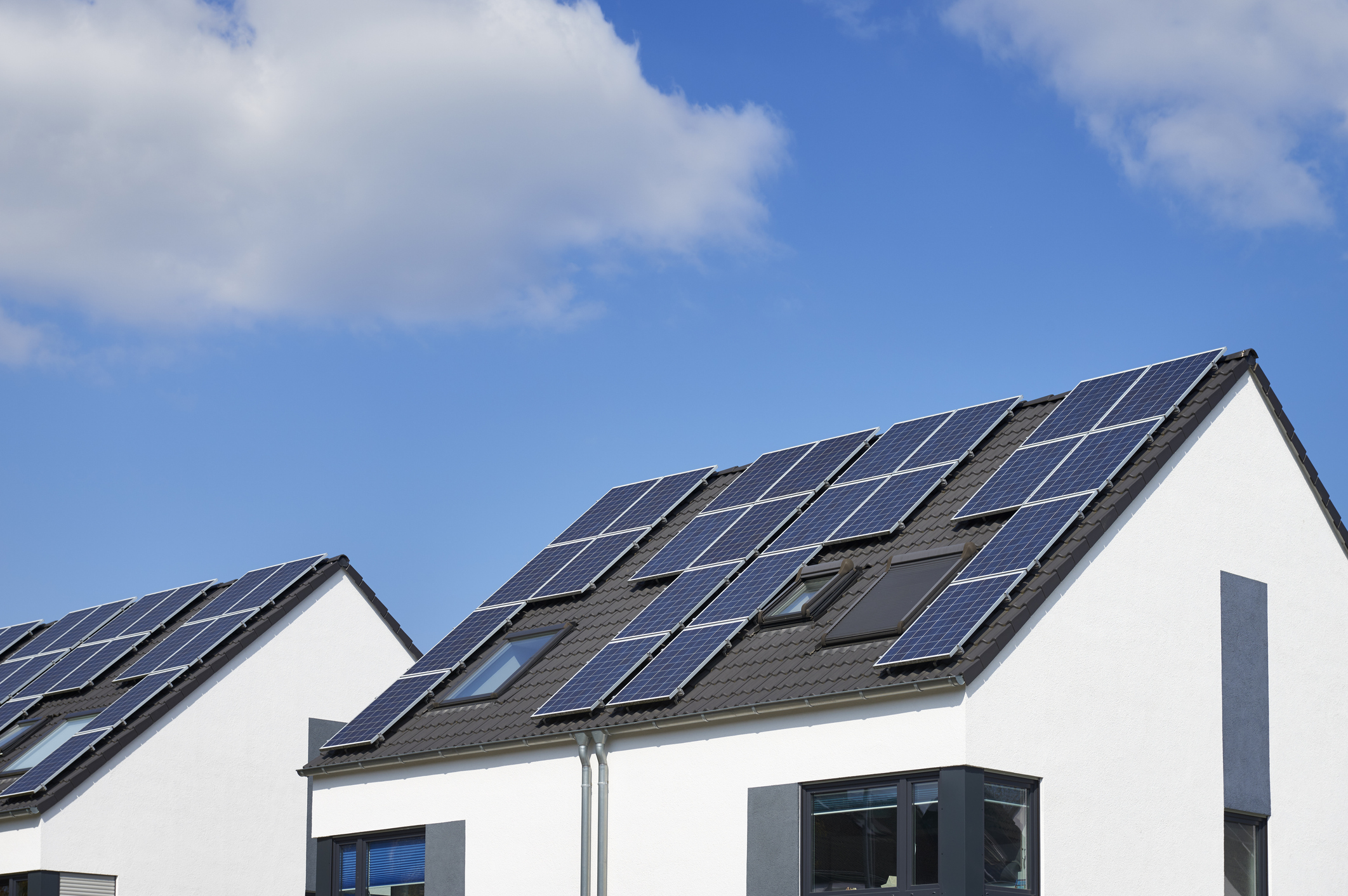
Solar energy is one of the most effective long-term solutions.
Solar panels generate renewable electricity and reduce dependency on the grid.
While installation costs can be high, long-term savings are significant.
Many homeowners also benefit from government incentives.
Use Energy Efficient Cooling Methods
Air conditioning is often the biggest energy expense.
Regular maintenance improves efficiency and reduces power consumption.
Using fans along with AC helps distribute air better.
Setting moderate temperatures also reduces energy waste.
Upgrade Windows to Double Glazing
Single-pane windows lose a lot of energy.
Double-glazed windows provide better insulation and reduce heat transfer.
They help keep homes cooler in summer and warmer in winter.
They also reduce outside noise.
Reduce Standby Power Usage
Many devices consume electricity even when turned off.
This is known as phantom or standby power.
Unplugging unused devices or using smart power strips helps reduce this waste.
Small habits like this can lower bills over time.
Install Energy Monitoring Systems
Energy monitoring tools help track electricity usage in real time.
They show which devices consume the most power.
This awareness helps homeowners change usage habits.
Smart plugs also allow remote control of appliances.
Upgrade Water Heating Systems
Water heaters consume a large amount of electricity.
Energy-efficient or tankless water heaters reduce waste.
Insulating water tanks helps retain heat longer.
Using timers ensures heaters run only when needed.
Improve Ventilation Systems
Proper airflow reduces the need for excessive cooling.
Good ventilation keeps homes naturally cooler.
Exhaust fans and cross-ventilation help maintain indoor air quality.
This reduces dependency on electrical cooling systems.
Use Smart Lighting Controls
Automation helps reduce unnecessary energy usage.
Motion sensors turn lights off when rooms are empty.
Timers ensure lights operate only when needed.
This is especially useful for outdoor lighting.
Choose Energy Efficient Design Elements
Interior design also affects energy consumption.
Light-colored walls and reflective surfaces improve brightness.
Open layouts reduce the need for artificial lighting.
Smart design choices can significantly reduce electricity use.
Final Thoughts
Energy saving home improvements are not just about cutting bills—they are about creating smarter, more efficient living spaces. Simple upgrades like LED lighting, insulation, and smart systems can make a major difference over time.
By combining technology with practical habits, homeowners can enjoy lower utility costs, improved comfort, and a more sustainable lifestyle.
Stay in touch to get more updates & news on Magazine!

