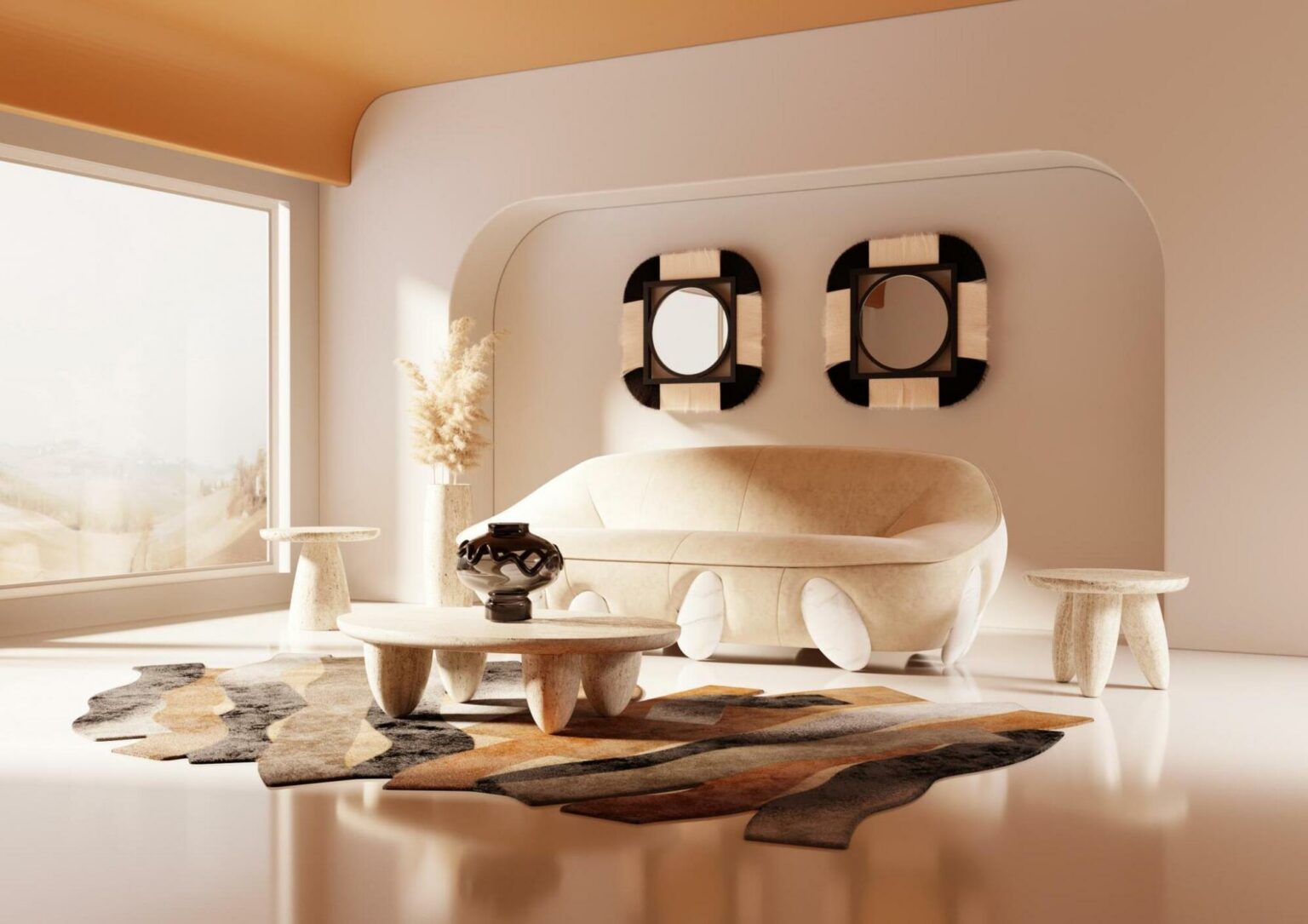
Top Home Renovation Trends You Should Try This Year, your go-to guide for modern ideas to refresh, upgrade, and personalize your living space. Home renovation isn’t just about improving aesthetics—it’s about creating a home that reflects your personality, supports your lifestyle, and adds value for the future. With new trends emerging every year, it’s essential to know what’s in style and practical. From sustainable design to smart technology, this year offers a mix of innovation and timeless elegance.
Minimalism
Minimalism continues to dominate home design. It’s no longer just a trend; it has become a lifestyle choice. Homeowners are embracing clean lines, uncluttered spaces, and functional furniture. Minimalist interiors focus on quality over quantity, ensuring that every item in the home has a purpose.
In practical terms, minimalism means opting for furniture with simple shapes, neutral colors, and materials like wood, metal, and glass. Decluttering is essential here—this trend encourages reducing unnecessary possessions to create a calming and airy environment. Minimalist spaces are not only visually appealing but also easier to maintain and keep organized.
Sustainable Materials
Sustainability has moved from a niche concern to a mainstream priority in home renovation. Homeowners are more conscious of the environmental impact of construction materials and interior decor. From recycled wood and bamboo flooring to energy-efficient appliances, sustainable choices can reduce your home’s carbon footprint while providing a stylish and modern look.
Materials like reclaimed wood, cork, and low-VOC paints are gaining popularity. Even furniture made from recycled or sustainably sourced materials is in demand. Beyond aesthetics, these choices improve indoor air quality and support eco-friendly living.
Smart Home Technology
Smart homes are no longer a futuristic concept—they are becoming standard in modern renovations. Home automation allows you to control lighting, security, temperature, and even appliances with your smartphone or voice commands. This technology adds convenience, security, and energy efficiency to your daily life.
For example, installing smart thermostats can reduce energy bills, while smart lighting can enhance ambiance and mood. Security systems integrated with cameras and sensors allow homeowners to monitor their property from anywhere. As technology continues to evolve, more homeowners are opting for connected systems that simplify home management.
Open-Plan Living
Open-plan layouts have been popular for years, but they are evolving in new ways. Instead of completely removing walls, homeowners are exploring flexible spaces that can adapt to different activities. The goal is to maximize natural light and create a sense of openness while maintaining functional areas for cooking, dining, and relaxing.
Modern open-plan living often combines kitchens, dining rooms, and living areas into one cohesive space. Multifunctional furniture, movable partitions, and creative storage solutions make it easy to adjust the space according to your needs. This approach is ideal for families, remote workers, and anyone who enjoys hosting gatherings.
Outdoor Living Spaces
The trend of extending your home outdoors is stronger than ever. Outdoor kitchens, patios, and living rooms are becoming essential elements of home design. Homeowners want spaces where they can relax, entertain, and connect with nature.
Trends include weatherproof furniture, fire pits, and outdoor lighting that create cozy and inviting atmospheres. Gardens, vertical plant walls, and sustainable landscaping add beauty and environmental value. Even small balconies can be transformed with clever use of plants, seating, and lighting to create private outdoor retreats.
Bold Colors and Patterns
While neutral colors remain popular for minimalism, bold colors and patterns are making a comeback in accents and statement pieces. Dark greens, deep blues, and vibrant oranges are being used in walls, cabinetry, and furniture to add personality and depth.
Patterned tiles, wallpapers, and rugs create visual interest and can define a room’s character. Combining neutral backgrounds with colorful accents allows homeowners to experiment without overwhelming the space. This trend encourages self-expression and creativity in home design.
Multifunctional Spaces
As homes evolve to accommodate work, leisure, and exercise, multifunctional spaces have become a must-have. Rooms are no longer dedicated to a single purpose; instead, they serve multiple functions depending on the time of day or activity.
For instance, a guest bedroom might double as a home office, or a living room can include a study corner. Foldable furniture, hidden storage, and modular designs are key elements that make these spaces practical. This approach maximizes space, particularly in urban homes with limited square footage.
Vintage and Retro Revival
Nostalgia is influencing modern home renovation through vintage and retro design elements. Mid-century furniture, retro lighting, and classic patterns are being incorporated to create a sense of timelessness. These designs are often mixed with contemporary elements to prevent a dated look.
Reviving vintage pieces can also be sustainable, as it reduces the demand for new products. Scouting antique shops, flea markets, or refurbishing existing furniture can add unique character to your home. The key is balance—pairing retro items with modern functionality creates spaces that are stylish and livable.
Biophilic Design
Biophilic design emphasizes the connection between humans and nature, integrating natural elements into interior spaces. This can include indoor plants, natural materials, water features, and even large windows that provide natural light and outdoor views.
Incorporating biophilic design improves mental health, reduces stress, and increases overall comfort. Plants purify the air while adding texture and color to a room. Stone, wood, and natural fabrics help create a calm and welcoming atmosphere. Biophilic design is perfect for anyone looking to bring the outdoors inside, even in urban environments.
Home Offices
Remote work has permanently changed how we think about home spaces. Dedicated home offices or work corners are essential in modern renovations. These spaces require good lighting, ergonomic furniture, and sufficient storage to maintain productivity and comfort.
Home offices can be integrated into other areas, such as living rooms or bedrooms, using partitions, shelves, or room dividers. Soundproofing and cable management are also important to create a professional and distraction-free environment. Even small apartments can benefit from cleverly designed workstations.
Wellness-Oriented Features
Wellness is becoming a significant consideration in home renovation. Beyond aesthetics, homeowners are designing spaces that promote physical and mental health. This includes home gyms, meditation corners, spa-inspired bathrooms, and spaces for relaxation.
Trends include steam showers, soaking tubs, natural lighting, air purification systems, and acoustic panels for quiet spaces. Wellness-oriented renovations focus on creating harmony between body and mind, turning homes into retreats where residents can recharge and rejuvenate.
Statement Kitchens
The kitchen remains the heart of the home, and this year, statement kitchens are trending. Homeowners are moving away from purely functional kitchens toward bold designs that showcase personality. This can include colorful cabinetry, unique backsplashes, or high-end appliances that double as design elements.
Open shelving, island seating, and creative lighting fixtures make kitchens more social and inviting. Mixing materials, such as marble countertops with wood accents, adds texture and interest. Statement kitchens combine functionality with style, making cooking and entertaining a more enjoyable experience.
Bathroom Upgrades
Bathrooms are no longer just functional spaces—they are becoming personal sanctuaries. Homeowners are investing in spa-like features, including rainfall showers, freestanding tubs, heated floors, and smart mirrors.
Tile designs are getting creative, with geometric patterns and textured surfaces creating visual interest. Storage solutions like floating vanities and hidden cabinets help keep bathrooms tidy. With these upgrades, even a small bathroom can feel luxurious and modern.
Flexible Lighting
Lighting is a critical aspect of any renovation, and flexibility is key. Adjustable lighting systems allow homeowners to change the mood and function of a room with ease. Layered lighting—combining ambient, task, and accent lights—enhances both aesthetics and practicality.
Smart lighting systems let you control brightness and color temperature, adapting spaces for work, relaxation, or entertainment. Statement light fixtures, such as chandeliers or pendant lights, also double as decor pieces, adding character and style to the room.
Energy Efficiency
Energy efficiency is no longer optional—it’s a necessity. Renovations that improve energy use not only save money but also contribute to environmental sustainability. Insulation, energy-efficient windows, and solar panels are common upgrades.
Modern HVAC systems, LED lighting, and water-saving fixtures further reduce consumption. Even simple changes, like sealing drafts or upgrading to smart thermostats, can make a significant difference. Energy-efficient homes are comfortable, cost-effective, and future-proof.
Personalization
Finally, personalization is at the core of every modern renovation. Homeowners want spaces that tell their story, reflect their tastes, and suit their lifestyle. Whether through custom furniture, unique color palettes, or curated art collections, personalization adds warmth and character to any home.
Incorporating family heirlooms, travel souvenirs, or DIY projects makes the space truly yours. This trend emphasizes authenticity over trends, encouraging homeowners to create homes that feel lived-in and loved.
Conclusion
Renovating your home this year means embracing a combination of style, functionality, and sustainability. From minimalist spaces to smart technology, outdoor living, and wellness-focused interiors, the possibilities are endless. The key is to balance current trends with personal preferences, creating a home that is both modern and uniquely yours.
Trying out these trends can not only improve the look and feel of your home but also enhance your lifestyle. Whether you are planning a full-scale renovation or a small update, integrating even a few of these ideas will make your home more enjoyable, efficient, and future-ready.
Remember, home renovation is about more than appearances—it’s about creating a space where you feel comfortable, inspired, and truly at home. So take inspiration from this year’s top trends, and make your home a reflection of you.

