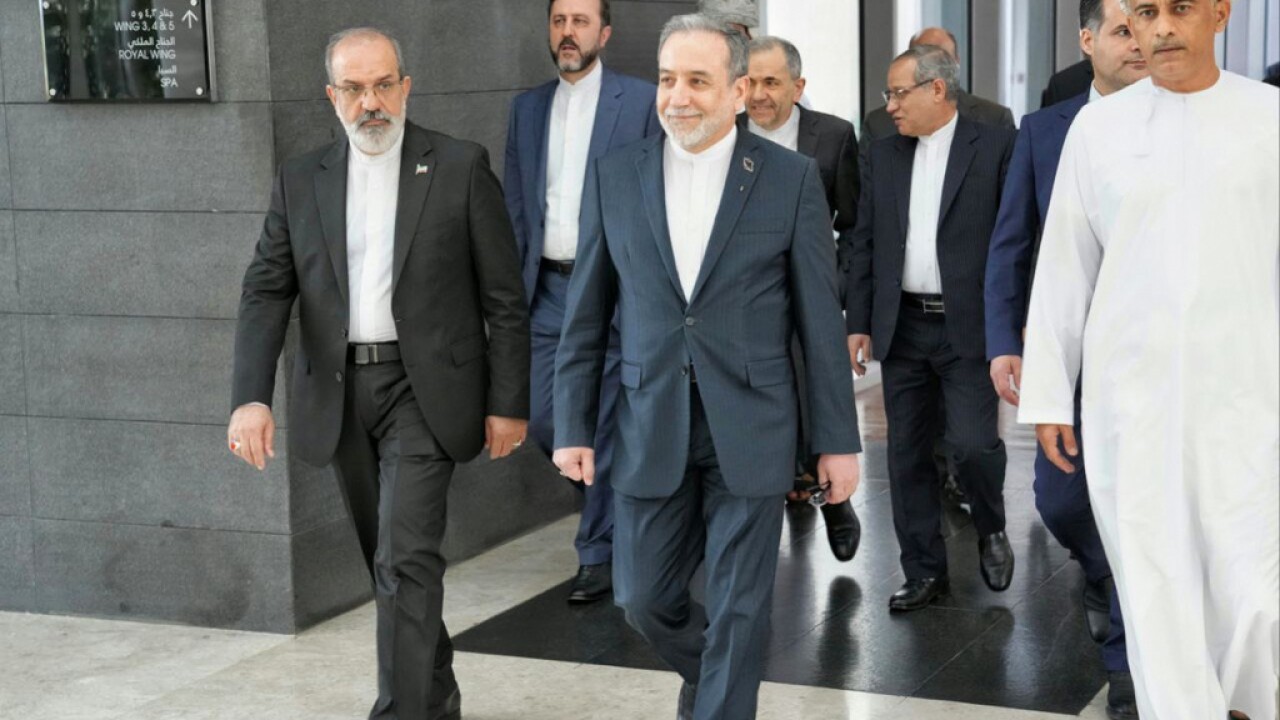
February 8, 2026 – Muscat, Oman Indirect negotiations between the United States and Iran in Oman have concluded with cautious optimism, although significant challenges remain in the path toward a renewed nuclear agreement. Diplomats report that while progress was made on certain technical aspects, fundamental disagreements over uranium enrichment and sanctions relief persist.
The discussions, conducted under the mediation of European and Middle Eastern officials, aim to prevent escalation and ensure regional stability. U.S. officials described the talks as “constructive but complex,” acknowledging that further engagement is required before a comprehensive agreement can be reached.
Focus of Negotiations
Key issues included uranium enrichment limits, verification protocols, and the timeline for easing economic sanctions. Iranian officials insisted on guarantees for access to international markets, while the United States emphasized strict monitoring to prevent any nuclear weapons development.
Observers note that the negotiations were conducted in a highly sensitive geopolitical context, with ongoing conflicts in the Middle East and concerns about regional allies’ security. Saudi Arabia, Israel, and the Gulf states are closely monitoring developments, highlighting the stakes of any potential agreement.
Statements From Officials
U.S. negotiators stressed that the goal is to avoid conflict while maintaining pressure on Iran to comply with international obligations. “We are committed to diplomacy, but our standards are non-negotiable,” said a senior U.S. official. Iranian representatives echoed cautious optimism but emphasized sovereignty and national security as priorities.
Analysts have interpreted the discussions as a potential stepping stone toward a broader agreement, though they caution that mutual distrust remains a significant barrier. The indirect nature of the talks adds additional complexity, as both sides communicate primarily through intermediaries.
Global Implications
The outcome of these talks could have far-reaching implications for international security and energy markets. A successful agreement may stabilize oil prices, improve U.S.–Middle East relations, and reduce the risk of military confrontation. Conversely, failure could escalate tensions and prompt renewed sanctions or military considerations.
While both parties acknowledged progress in technical discussions, major challenges remain, including verification mechanisms, enforcement measures, and regional security assurances. The next phase of negotiations is expected in the coming weeks, with continued attention from global powers.

