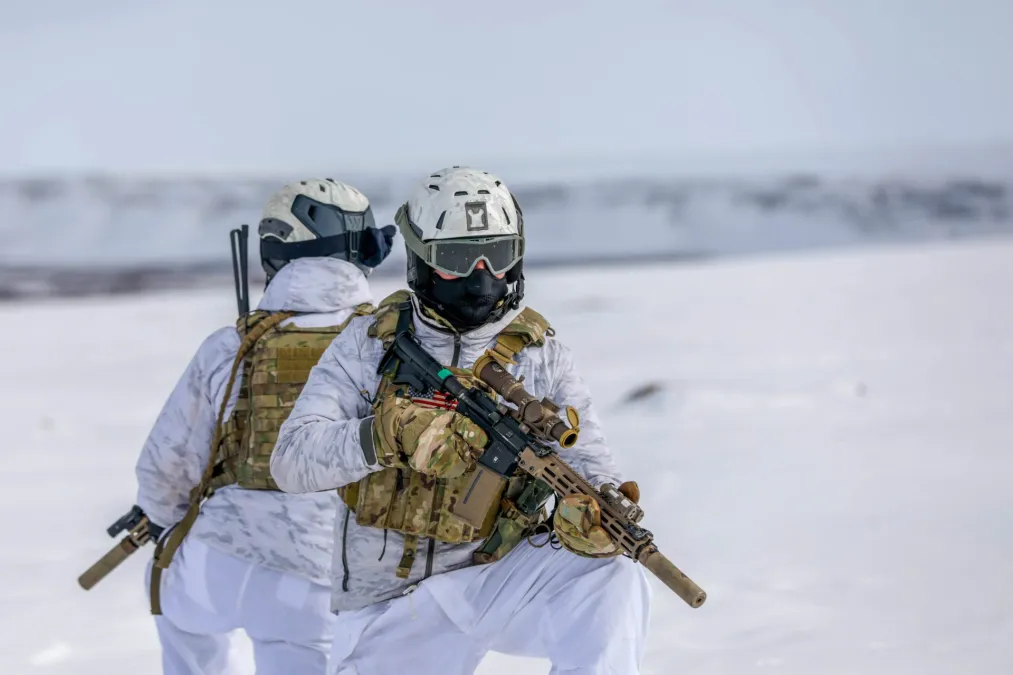
February 8, 2026 – Washington, D.C. The U.S. political and defense community is sharply focused on Arctic security following renewed interest in Greenland and surrounding regions. President Trump’s recent statements on strategic Arctic policy have reignited debates over national security, military presence, and geopolitical influence in the polar regions.
Experts argue that as climate change opens new navigable routes, Arctic security is becoming a global priority. The U.S., Russia, China, and NATO allies are increasingly attentive to territorial claims, resource exploration, and military readiness in the region.
Greenland in the Spotlight
Greenland, a Danish territory with significant strategic importance, has been at the center of U.S. policy discussions. The administration has emphasized the need for a strengthened military presence to protect shipping routes, natural resources, and national interests. Analysts note that while the Arctic has historically been remote, it is now a stage for strategic competition.
Defense officials have highlighted ongoing military exercises and increased surveillance in the Arctic Circle. “The Arctic is no longer an afterthought. It’s a frontline in national security,” said a senior Pentagon official. “We must ensure that U.S. interests are protected amid emerging challenges.”
Political Debate at Home
Trump’s Arctic strategy has sparked debate across the political spectrum. Supporters argue that strengthening military and infrastructure presence in the Arctic is crucial to countering Russian and Chinese influence. Critics, however, question the cost and potential environmental impact of increased military activity in a fragile ecosystem.
Congressional hearings this week are expected to examine U.S. commitments in Greenland, funding for Arctic operations, and collaboration with NATO allies. Lawmakers are debating whether current resources are sufficient to maintain strategic advantage while addressing environmental and local community concerns.
Global Implications
Internationally, the Arctic has become a contested space. Russia has expanded military installations in the region, while China has pursued resource extraction and shipping partnerships. Experts suggest that U.S. policy decisions today could define Arctic geopolitics for decades to come.
Defense analysts also note that Arctic security intersects with climate policy, trade routes, and energy exploration. The melting ice opens the potential for new shipping lanes between Asia, Europe, and North America, increasing the strategic stakes for the U.S. and its allies.
Looking Ahead
As policymakers debate strategy, Arctic security is poised to remain a key focus of U.S. defense and foreign policy. The region’s challenges—ranging from climate change to great power competition—underscore the complexity of modern national security.

