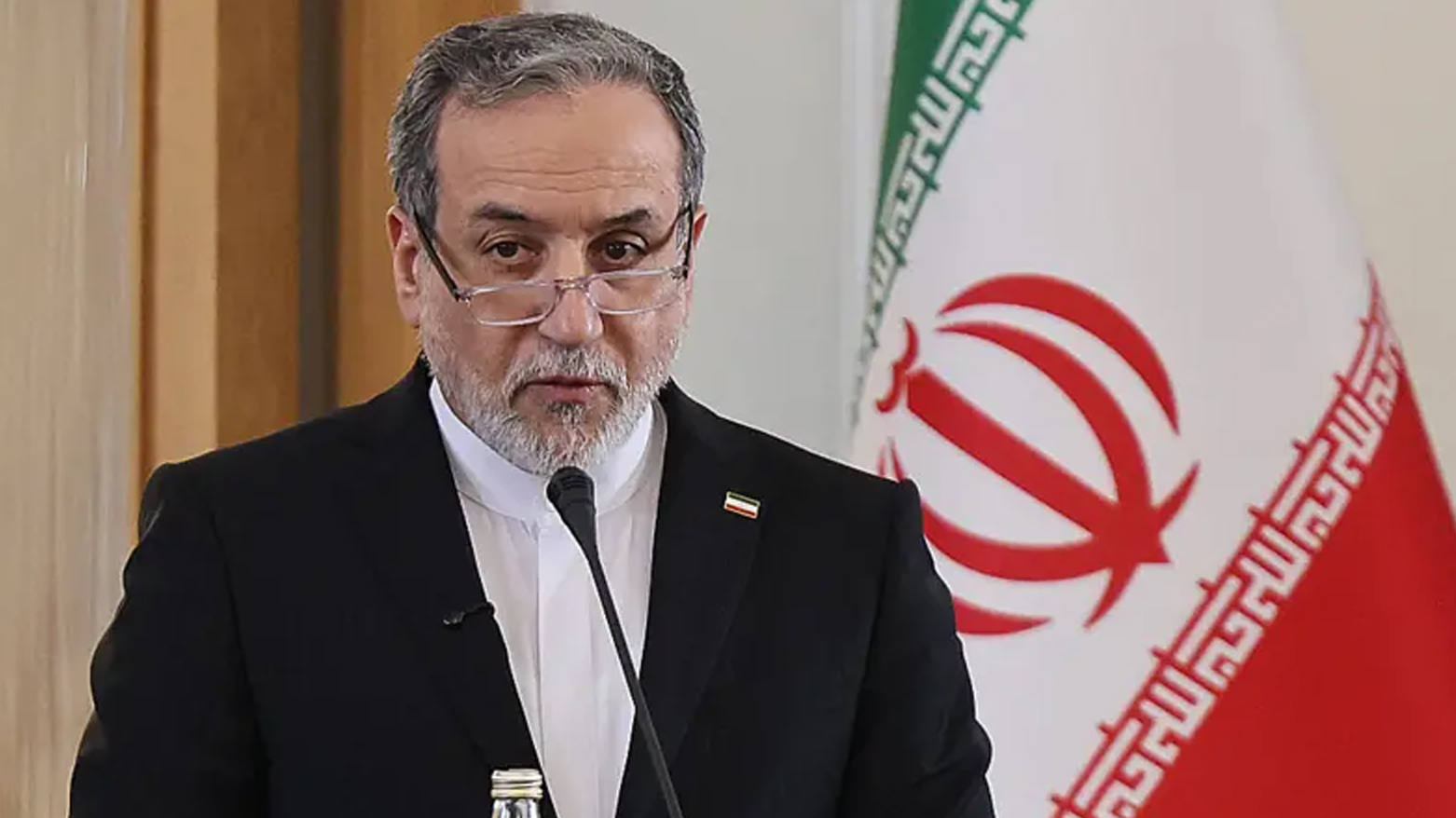
FEBRUARY 5, 2026 — DUBAI The United States and Iran are set to resume high-level nuclear discussions in Oman on Friday, marking a significant diplomatic moment after months of stalled negotiations and rising regional tensions.
Officials familiar with the preparations said the talks will focus primarily on Iran’s nuclear enrichment activities and possible confidence-building measures designed to reduce friction between Tehran and Washington. The meeting is expected to include senior diplomats from both governments, with Omani officials serving as intermediaries.
The renewed engagement follows weeks of backchannel communication facilitated by regional partners concerned about escalating rhetoric and military posturing in the Gulf. While neither side has publicly detailed specific proposals, diplomats describe the upcoming session as a “reset opportunity.”
President Donald Trump signaled cautious optimism during remarks at the White House, stating that the United States remains committed to preventing nuclear proliferation while seeking stability in the Middle East.
“We want peace. We want strength. And we want to make sure Iran never obtains a nuclear weapon,” Trump said. “If they’re serious, we’re ready to talk.”
Iranian officials have framed the talks as conditional on mutual respect and sanctions relief discussions. Analysts say both sides face domestic political constraints that could complicate progress.
The negotiations come at a time of shifting geopolitical dynamics. China and Russia have both increased their diplomatic engagement in the region, and European leaders have urged restraint and dialogue.
Energy markets reacted cautiously to the announcement, with oil prices fluctuating amid uncertainty about the outcome. Investors are closely monitoring whether renewed talks could ease tensions that have periodically threatened shipping routes in the Strait of Hormuz.
Experts caution that expectations should remain measured. Previous rounds of nuclear negotiations have broken down over verification standards, sanctions timelines, and broader regional security concerns.
Still, the decision to reconvene signals a recognition on both sides that prolonged deadlock carries risks. Diplomatic observers note that even incremental progress — such as agreements on inspection protocols or enrichment caps — could help stabilize relations.
Whether Friday’s meeting produces tangible breakthroughs remains unclear. But the resumption of direct engagement marks a notable shift after a period defined more by rhetoric than dialogue.

