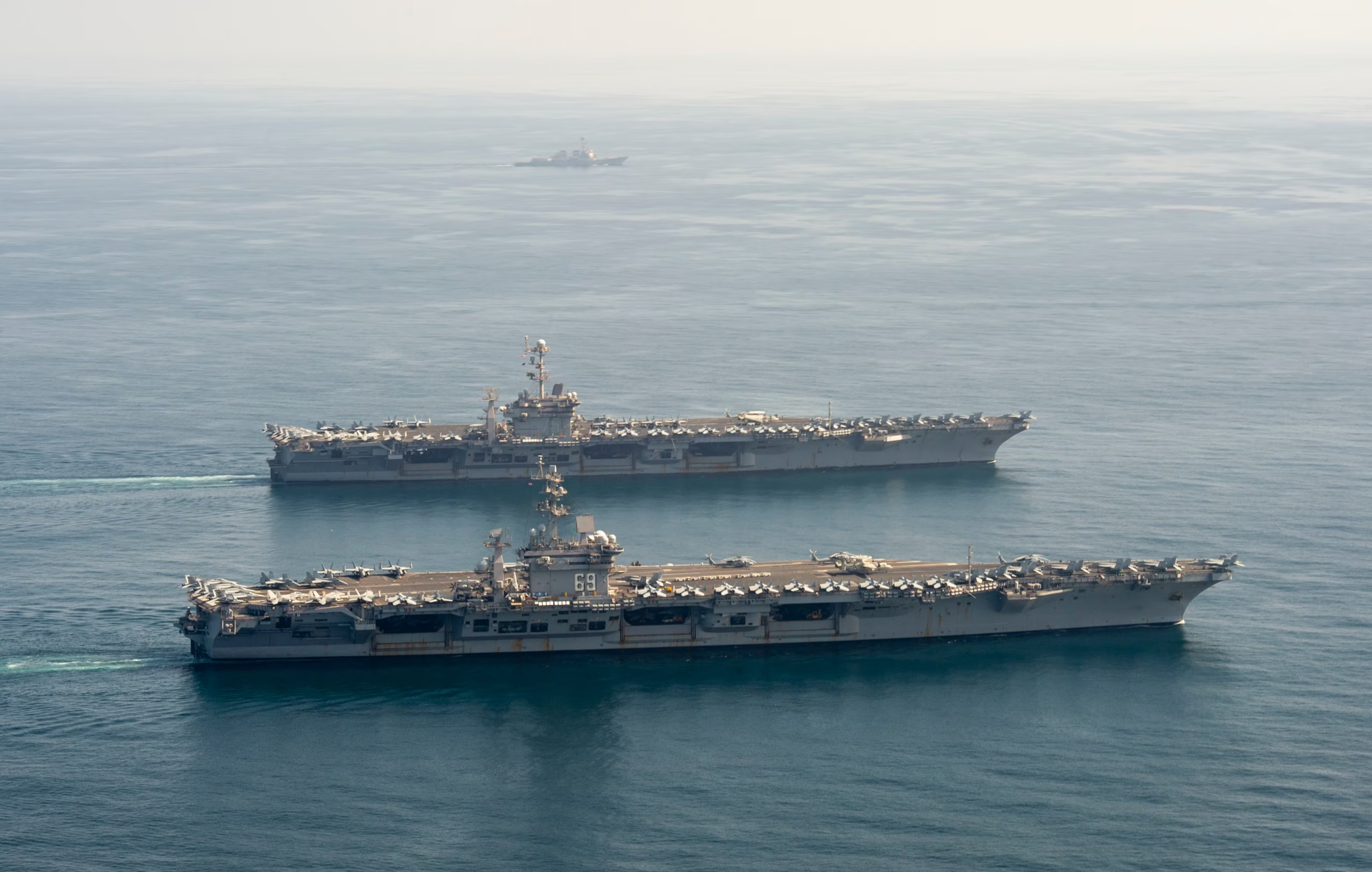
February 3, 2026 – Persian Gulf Region The United States has significantly increased its military presence near Iran, deploying a combination of aircraft carriers, guided-missile destroyers, fighter aircraft, and reconnaissance drones in a strategic move signaling potential military action. The deployment, announced Tuesday, comes amid heightened concerns over Iran’s nuclear program and escalating domestic unrest within the country.
Pentagon officials described the positioning as “strategic and precautionary,” intended to demonstrate U.S. readiness while maintaining diplomatic channels. “Our forces are in place to ensure the safety of American interests and allies in the region, but we remain committed to diplomatic solutions,” said Admiral Robert Henderson, head of U.S. Central Command.
The scale and composition of the U.S. military assets in the Arabian Sea and Gulf of Oman are unprecedented in recent years. Analysts note that the deployment allows for a wide range of operational capabilities, including rapid strike options, surveillance, and defensive coordination with regional partners.
Iranian leaders have responded with mixed messages. While some officials have signaled openness to dialogue, others have issued stark warnings of retaliation in the event of an attack. The situation remains tense, with the potential for miscalculation high amid ongoing domestic protests against Tehran’s government and growing public unrest.
“This is a delicate balancing act,” said Dr. Leila Rahimi, an expert on Middle Eastern security. “The U.S. is projecting strength, but the risks of escalation are real, and any misstep could have significant consequences for regional stability and global energy markets.”
The timing of the deployment coincides with increased international scrutiny over Iran’s nuclear ambitions. Reports indicate that the country continues to expand its enrichment capabilities, prompting global powers to urge restraint and negotiation. The presence of U.S. forces is intended as both a deterrent and a signal that Washington is prepared to take further action if diplomatic efforts fail.
Regional allies, including Israel, Saudi Arabia, and the United Arab Emirates, have expressed cautious support for the U.S. posture while calling for diplomatic engagement to prevent conflict. Analysts highlight that the buildup could also influence ongoing negotiations on arms control and trade with other nations in the Middle East.
The move has drawn criticism from some U.S. policymakers and international observers, who argue that military pressure could exacerbate tensions rather than lead to productive negotiations. Nevertheless, officials maintain that the deployment is defensive in nature and designed to ensure regional security.
As American forces maintain vigilance in the region, attention is turning to both Tehran and Washington, with world leaders closely monitoring developments. The next few days will be crucial in determining whether the military presence serves as a deterrent, encourages diplomatic dialogue, or escalates tensions further.
The Persian Gulf region remains a flashpoint for international security, energy stability, and geopolitical dynamics. With U.S. forces on high alert, the coming days may define the trajectory of U.S.–Iran relations and have far-reaching consequences for global stability.

