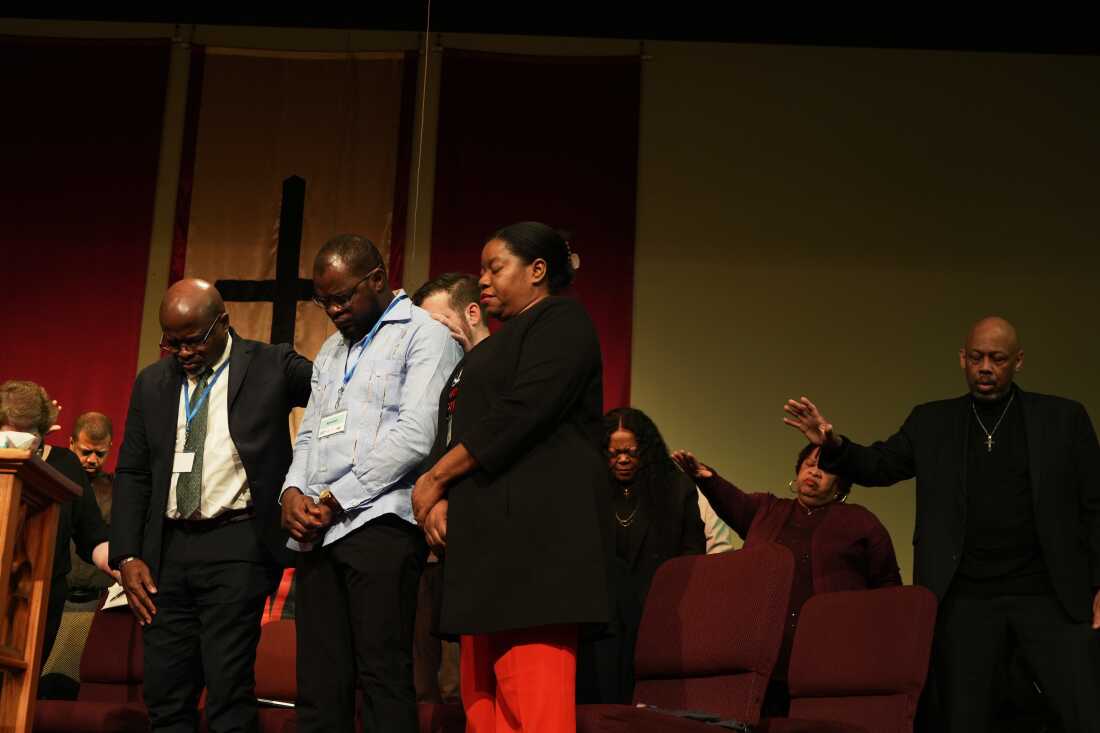
February 3, 2026 – Springfield, Ohio A federal judge on Tuesday issued a temporary injunction blocking the Trump administration’s plan to end Temporary Protected Status (TPS) for thousands of Haitian immigrants, offering a reprieve for communities that have been living in the United States for more than a decade under legal protections. The ruling came as part of a lawsuit filed by immigrant advocacy groups, which argued that the administration failed to properly assess Haiti’s ongoing humanitarian and political crises before attempting to terminate the program.
Judge Ana Reyes, in her ruling, stated that the Department of Homeland Security’s process likely violated procedural requirements and constitutional safeguards. “The plaintiffs have demonstrated that the abrupt termination of TPS could result in irreparable harm to thousands of individuals and families,” the judge wrote. The injunction is temporary but ensures that TPS holders can continue to live and work in the U.S. while the case proceeds through the courts.
TPS was first granted to Haitians following the devastating earthquake in 2010, which left hundreds of thousands dead and displaced millions. Under TPS, Haitian nationals can legally reside, work, and access certain public services without fear of deportation. Over the years, many TPS holders have established families, businesses, and deep ties to their local communities across the U.S.
The Trump administration had argued that conditions in Haiti had improved enough to allow the termination of TPS. However, critics point to ongoing gang violence, political instability, and economic collapse as reasons the protections remain necessary. “Haiti is not safe for returnees,” said Maria Gonzalez, an attorney representing immigrant advocacy organizations. “Families who have built lives here should not be uprooted due to policy shortcuts or political maneuvering.”
The decision drew strong reactions from both sides of the political spectrum. Immigration advocates celebrated the ruling as a victory for human rights and the rule of law. “This is a significant win for thousands of Haitian families who contribute to our communities every day,” said Reverend Daniel Thomas, director of a local immigrant support center in Ohio.
Meanwhile, the administration signaled that it plans to appeal the ruling, emphasizing its authority to make TPS determinations. A senior official noted, “While we respect the court’s decision, DHS believes the program should reflect current conditions in Haiti and reserves the right to seek a review.”
The ruling comes amid a larger national debate over immigration policy, border security, and the treatment of vulnerable populations. With midterm elections approaching, TPS and other immigration protections have become focal points for both political campaigns and public discussions.
Local communities across the country, from New York to Miami to Ohio, have mobilized to support TPS recipients, providing legal aid, housing support, and educational resources. Many TPS holders have expressed relief at the court decision but remain cautious about the future. “We are grateful for today’s ruling, but we know the fight is not over,” said Jean-Paul Pierre, a Haitian community organizer in Springfield.
Legal analysts suggest that the case could have far-reaching implications for how future administrations handle TPS and other humanitarian protections. The ruling underscores the role of the judiciary in balancing executive authority with statutory and constitutional requirements.
As the legal process unfolds, the human impact is tangible: children attending school, families running small businesses, and workers contributing to local economies remain in limbo, highlighting the high stakes of national immigration policy. For now, TPS holders can breathe a temporary sigh of relief, but the uncertainty persists as the broader debate over U.S. immigration continues.

