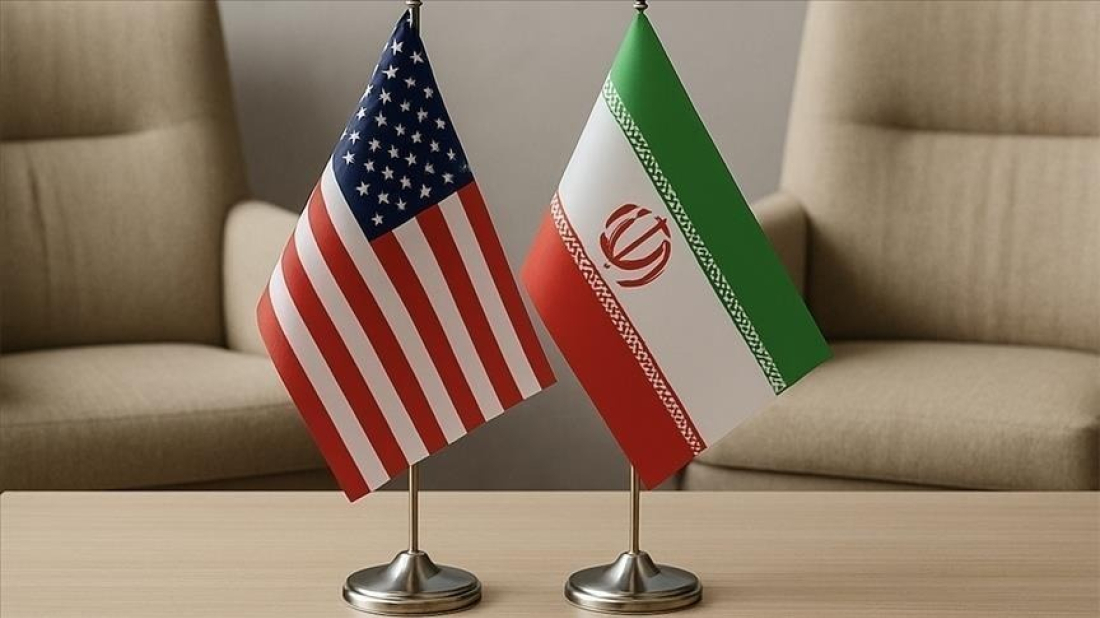
WASHINGTON — A fragile mix of diplomacy and brinkmanship is defining the latest chapter in U.S.–Iran relations, as officials on both sides signal openness to dialogue even while issuing stark warnings of potential military confrontation.
Senior U.S. officials confirmed over the weekend that indirect discussions with Iranian representatives are underway, focusing on nuclear compliance and regional security concerns. The talks, described as exploratory, aim to de-escalate tensions that have intensified in recent weeks following expanded U.S. naval deployments in the region.
President Donald Trump told reporters that discussions were “serious” and suggested that a negotiated understanding remains possible. “We want peace, but it has to be based on strength and accountability,” he said.
In Tehran, however, rhetoric took a sharper tone. Iran’s Supreme Leader warned that any direct military action by the United States would provoke a “regional war,” a statement widely interpreted as a signal to both Washington and neighboring states that escalation could spread quickly beyond bilateral conflict.
The heightened tension follows renewed scrutiny of Iran’s nuclear program. International observers have reported increased uranium enrichment levels, though Iranian officials maintain their activities are for civilian energy purposes.
U.S. defense officials confirmed that additional naval assets, including carrier strike groups, have been positioned in strategic waters near the Persian Gulf. The Pentagon characterized the move as a “deterrent measure” designed to protect American personnel and allies.
Security experts caution that while both governments appear to be signaling strength to domestic audiences, neither side may be seeking outright conflict. “This is a classic high-stakes diplomatic standoff,” said one foreign policy analyst. “Each side wants leverage at the negotiating table without crossing into open hostilities.”
Regional allies are closely monitoring the developments. Gulf states have expressed concern that renewed confrontation could disrupt oil markets and destabilize trade routes critical to the global economy. Energy prices ticked upward Monday amid investor anxiety about potential supply disruptions.
European diplomats have quietly urged restraint, encouraging both nations to return to structured negotiations similar to previous nuclear agreements. Meanwhile, lawmakers in Washington remain divided over the appropriate approach — some advocating maximum pressure, others pushing for renewed multilateral diplomacy.
Public sentiment in the United States appears cautious. Polling indicates that while Americans support strong national defense, there is limited appetite for another prolonged military engagement in the Middle East.
Behind closed doors, intelligence and diplomatic channels remain active. Observers say the coming weeks will determine whether the current exchange of warnings evolves into meaningful dialogue or further escalation.
For now, the situation remains fluid. Warships patrol strategic waterways, diplomats exchange guarded messages, and the world watches as two longtime adversaries test the boundaries between confrontation and compromise.

