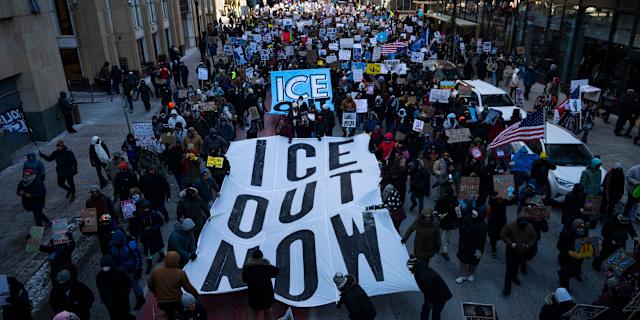
New York, February 1, 2026 — A nationwide digital boycott targeting major technology companies launched today, aiming to protest the role of tech platforms in supporting immigration enforcement policies. The movement, branded as the “Unsubscribe” campaign, encourages users to deactivate accounts, opt out of services, and pressure companies to reconsider their collaboration with U.S. Immigration and Customs Enforcement (ICE).
The boycott comes amid heightened public scrutiny over the intersection of technology, privacy, and government surveillance. Organizers argue that Big Tech firms have facilitated immigration enforcement through data sharing, facial recognition technology, and algorithmic surveillance, prompting widespread criticism from activists, civil rights organizations, and concerned citizens.
“Technology companies have a responsibility to uphold ethical standards and protect human rights,” said the campaign’s founder during an online launch event. “Our actions today are about holding them accountable for policies that disproportionately harm vulnerable communities.”
Major firms affected by the boycott include leading social media platforms, cloud service providers, and software developers that have been linked to government contracts or data-sharing agreements with ICE. Users participating in the campaign are encouraged to delete accounts, switch to alternative services, and amplify awareness through social media hashtags and coordinated online demonstrations.
Industry analysts suggest that while the campaign may not immediately disrupt financial performance, it could influence public perception and future corporate partnerships. “This is more about brand reputation and social responsibility than immediate revenue loss,” said a technology policy expert based in Silicon Valley. “Companies are increasingly sensitive to public backlash, especially when it touches on human rights and civil liberties.”
The movement has also drawn attention from lawmakers, with several Democratic representatives expressing support for reforming the relationship between technology companies and federal agencies. “Protecting citizens’ data and privacy is paramount,” said one congressperson in a public statement. “Big Tech must be transparent about its role in government operations and respect the rights of all users.”
Critics of the boycott argue that it oversimplifies complex contractual relationships and could unintentionally harm communities reliant on certain digital services. Tech industry spokespeople insist that collaborations with federal agencies are governed by legal and ethical frameworks and aim to balance compliance with civil liberties.
Despite differing opinions, the “Unsubscribe” campaign is gaining momentum. Social media posts advocating the boycott have trended nationally, and advocacy groups have organized webinars, instructional guides, and local community events to educate participants.
Digital privacy experts warn that the movement also highlights broader questions regarding user data control, corporate accountability, and the ethical limits of artificial intelligence. As technology continues to permeate public governance, debates over surveillance, data ethics, and civic responsibility are expected to intensify.
For participants, the boycott represents more than a protest; it is a call to reshape the digital landscape in ways that protect privacy and human rights. “We want people to understand the power they hold,” said a campaign organizer. “Choosing where and how you engage online is an act of civic responsibility.”
While the long-term effectiveness of the boycott remains to be seen, the campaign underscores the growing intersection of activism, technology, and social policy in the digital age. With millions of users joining the movement and the media spotlight intensifying, Big Tech companies face increasing pressure to demonstrate accountability and transparency in their operations.

