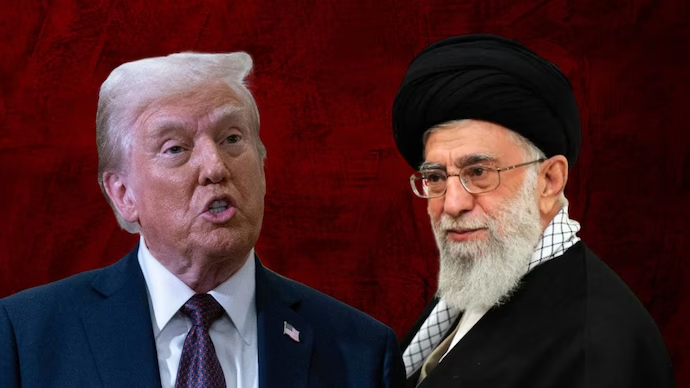
WASHINGTON, Jan. 28, 2026 — Diplomatic tensions between the United States and Iran showed tentative signs of easing Tuesday after Iranian officials signaled openness to renewed negotiations, offering a potential pause in a standoff that has unsettled global markets and strained regional stability.
The development follows weeks of heightened rhetoric, military posturing, and warnings from Washington over Iran’s nuclear activities. While no formal talks have been scheduled, U.S. officials acknowledged the message as “constructive,” though emphasized that actions, not statements, would determine next steps.
The White House has maintained that diplomacy remains the preferred path but reiterated that all options remain on the table. President Trump, speaking earlier this week, said the United States would not tolerate further escalation but welcomed “serious discussions.”
Allies across Europe cautiously welcomed the shift in tone, viewing dialogue as critical to preventing miscalculation in an already volatile region. Energy markets responded with modest declines in oil prices, reflecting reduced fears of immediate disruption.
Iranian leaders, facing economic pressure from sanctions and domestic challenges, appear eager to relieve isolation without appearing weak. Analysts say the signals may be aimed as much at international audiences as at Washington.
Skepticism remains high. Previous attempts at engagement have faltered amid mutual distrust and political opposition on both sides. U.S. lawmakers are divided, with some urging restraint and others warning against concessions.
Regional partners are watching closely. Any change in U.S.–Iran relations carries implications for security dynamics across the Middle East, from shipping routes to proxy conflicts.
For now, officials on both sides are keeping expectations low. “This is not a breakthrough,” said one senior diplomat. “It’s an opening — and those can close quickly.”
As the global community monitors developments, the moment highlights the delicate balance between pressure and diplomacy that continues to define U.S. foreign policy toward Iran.

