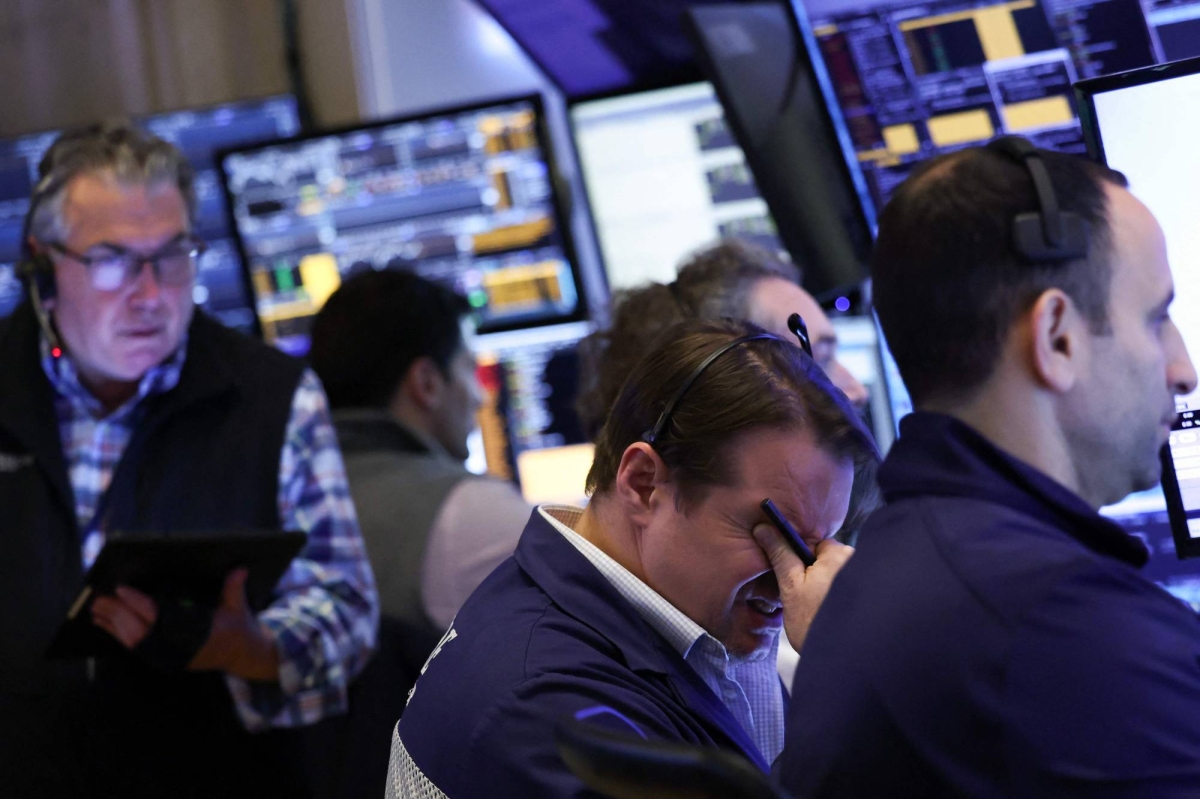
NEW YORK, Jan. 28, 2026 — U.S. stocks surged to new heights on Tuesday, with the S&P 500 closing above 7,000 for the first time in history, driven by renewed optimism in the technology sector and investor confidence that the economy can withstand higher interest rates.
The milestone reflects a market powered largely by artificial intelligence investment, cloud computing growth, and expectations of continued corporate earnings resilience. Mega-cap technology firms once again led gains, extending a rally that has reshaped Wall Street over the past two years.
“This market is being fueled by belief as much as by balance sheets,” said a senior market strategist at a New York investment firm. “Investors are betting that innovation will outrun uncertainty.”
The rally comes despite mixed economic signals. While inflation has moderated, consumer confidence surveys suggest households remain cautious amid elevated borrowing costs and global instability. Yet investors appear willing to look past near-term risks in favor of long-term growth narratives.
Federal Reserve officials have struck a careful tone in recent weeks, emphasizing data dependence while signaling no immediate rush to cut rates. Markets, however, have interpreted the stance as a sign that policymakers believe inflation is under control.
Beyond equities, corporate activity has added to the bullish mood. Reports of potential mega-listings and mergers have sparked renewed interest in U.S. capital markets, reinforcing Wall Street’s global dominance.
Critics warn that valuations are becoming stretched, particularly in technology stocks tied to artificial intelligence. Some analysts caution that excessive optimism could leave markets vulnerable to sudden corrections if earnings disappoint or geopolitical tensions escalate.
Still, supporters argue that the current rally differs from past speculative bubbles. “This isn’t hype without revenue,” said one portfolio manager. “These companies are generating real cash flows.”
For everyday investors, the surge has been both a windfall and a dilemma. Retirement accounts have grown, but concerns linger over whether now is the wrong time to enter the market.
As trading floors celebrated the milestone, the broader question remained unresolved: whether Wall Street’s optimism reflects economic strength — or simply faith in technology’s promise to solve problems faster than they emerge.

