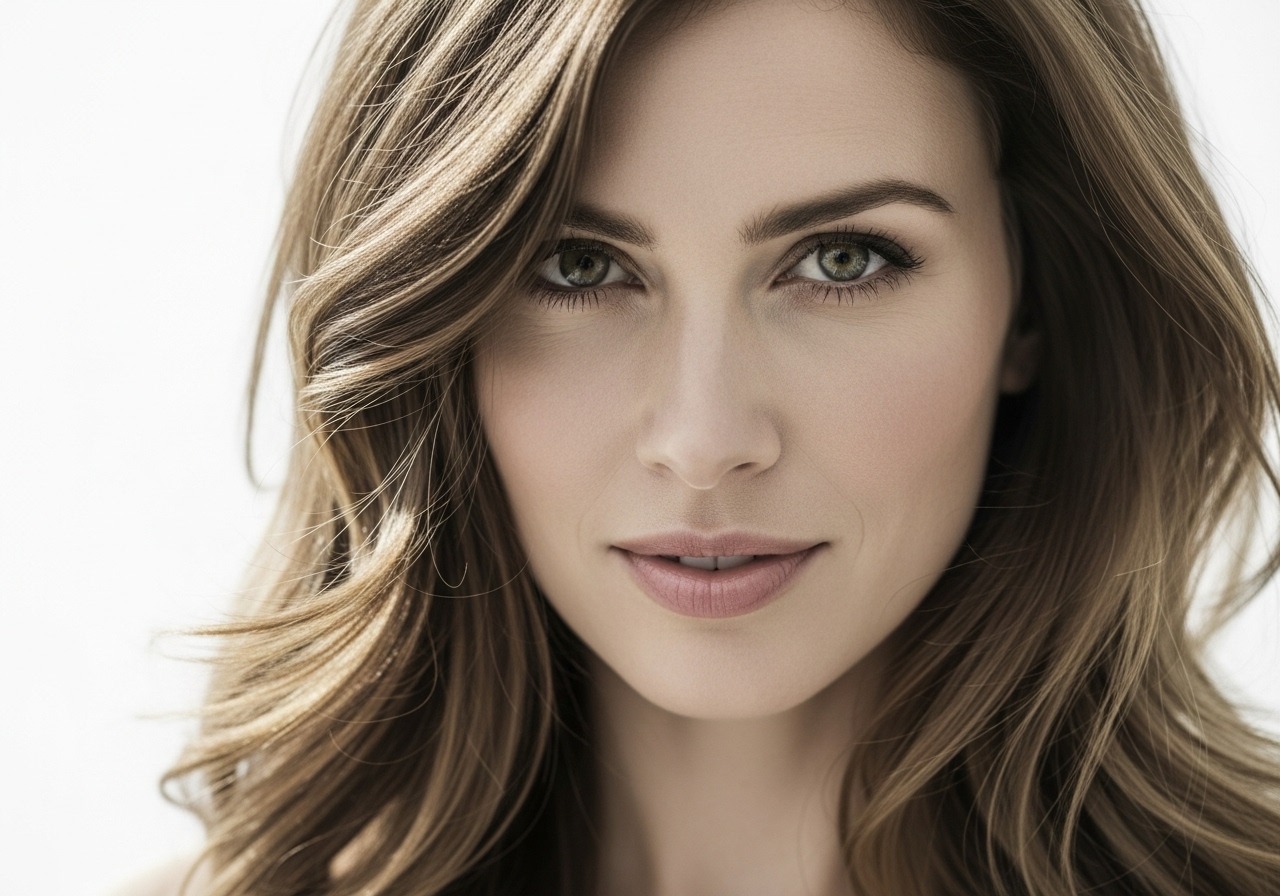
Creating an effective hair care routine goes well beyond the basics of washing and styling—it’s about developing a personalized approach that works with your hair’s unique characteristics while building long-term health and manageability. Your hair’s condition reflects a complex interplay of genetics, environmental factors, daily habits, and the products and tools you incorporate into your routine.
Understanding the Foundation of Healthy Hair
Identifying Your Hair Type and Texture
Quality styling tools, including a professional hair styler, can become valuable allies in your hair care arsenal when used thoughtfully alongside solid foundational practices. The real secret to success? Recognizing that what works for your friend might not work for you—effective routines are deeply personal, not cookie-cutter solutions pulled from the latest beauty magazine.
Getting to know your hair intimately is the first step toward building a routine that actually works. Hair type describes your natural curl pattern—whether your strands fall straight, wave gently, curl tightly, or coil into spirals. Hair texture, on the other hand, refers to how thick or fine your individual strands are. But there’s another crucial piece of the puzzle: porosity, which determines how your hair absorbs and holds onto moisture. This factor alone can make or break how well products work for you.
Want to test your hair’s porosity at home? Drop a clean strand into a glass of water and watch what happens. If it sinks like a stone, you’re dealing with high porosity hair that drinks up moisture quickly but loses it just as fast. If it stubbornly floats on the surface, you have low porosity hair, which means products often sit on top rather than soaking in. Don’t forget to assess your scalp condition separately—after all, healthy hair starts at the roots, and scalp health directly influences how your hair grows and looks.
The Core Components of Any Hair Care Routine
Cleansing
How often should you wash your hair? The answer depends entirely on your hair type and lifestyle. Those with fine hair might need daily cleansing to keep oil buildup at bay, while people with thick, curly hair often find their locks thrive with less frequent washing, allowing natural oils to nourish the strands. Understanding how sulfates interact with your hair cuticle will guide you toward cleansing products that clean effectively without stripping away what your hair needs.
Conditioning
Think of conditioning as your hair’s daily dose of TLC. Regular conditioning smooths the hair cuticle and delivers essential moisture, while deep conditioning treatments tackle more serious repair work. How often you need these intensive treatments depends on your hair’s porosity and any existing damage—some people benefit from weekly deep conditioning, while others might need it just once a month.
Protection
Consider protection your hair’s insurance policy against the daily assault of heat, UV rays, and environmental pollutants. This defensive strategy becomes even more critical if you’re a regular heat styler or live somewhere with harsh weather conditions. Think of it as an investment in your hair’s future.
Styling and Maintenance
The best styling approach works with your hair’s natural tendencies rather than against them. Between washes, smart maintenance using dry shampoo, lightweight oils, or leave-in treatments can extend your routine’s effectiveness and keep your hair looking fresh.
Key Takeaway: Consistency trumps expensive products every single time.
Heat Styling and Protective Practices
Heat styling essentially rewrites your hair’s protein structure, which is why protective measures aren’t optional—they’re essential. When heat breaks down the proteins in your hair shaft, it leaves the cuticle vulnerable to damage and moisture loss. Today’s styling tools offer impressive temperature control, but knowing the right heat setting for your specific hair type is what separates good styling from hair damage.
Smart heat styling practices include:
1. Never skip the heat protectant—it’s your hair’s armor
2. Start with the lowest temperature that gets the job done
3. Give your hair regular breaks from heat when you can
4. Let hair cool completely before brushing or manipulating it
If heat styling is part of your daily routine, investing in high-quality heat protection becomes even more critical, since damage accumulates over time.
Customizing Your Routine by Hair Type
Fine or Thin Hair
Fine hair walks a delicate balance—it needs care and nourishment without being weighed down. Lightweight products are your friends here, along with volumizing techniques that give your hair body and movement. Heavy oils and thick creams near the roots are generally off-limits, but gentle cleansing paired with regular conditioning can maintain volume without creating unwanted buildup.
Thick or Coarse Hair
Thick hair has different needs—it craves moisture and can handle richer formulations. Regular deep conditioning treatments become non-negotiable, and mastering product layering techniques (applying leave-in treatments, oils, and styling products in the right sequence) can transform unruly thickness into manageable, gorgeous hair.
Curly or Coily Hair
Curly textures require a specialized approach that celebrates rather than fights natural patterns. Methods like the “Curly Girl Method” have revolutionized curly hair care by emphasizing gentle cleansing, generous conditioning, and styling techniques that enhance curl formation instead of disrupting it. Moisture is king in the curly hair world.
Damaged or Chemically Treated Hair
When your hair has been through the wringer—whether from chemical processing, excessive heat, or environmental damage—it needs a repair-focused routine. Protein treatments, intensive conditioning, and vigilant protection become your primary tools. Sometimes, professional intervention is necessary to get severely damaged hair back on track.
Common Mistakes That Undermine Hair Health
Over-washing while under-conditioning throws your hair’s moisture balance completely out of whack. Cranking up the water temperature might feel great, but it strips away essential oils and damages the cuticle layer. Many people pour attention into their hair lengths while completely ignoring their scalp, which is like trying to grow a garden in poor soil.
Constantly switching products or skipping routine consistency makes it impossible to determine what actually works for your hair. Misusing styling tools or forgetting heat protection fast-tracks damage that can take months to repair. Perhaps the biggest mistake of all? Expecting miraculous overnight transformations—this impatience leads to abandoning routines before they have a chance to work their magic.
Seasonal and Environmental Adjustments
Your hair doesn’t exist in a vacuum—it responds to everything from humidity levels to air quality. Humidity affects different hair types in opposite ways: fine hair goes limp while curly hair puffs up with frizz. Winter’s dry air calls for ramped-up moisture treatments, while summer brings challenges like chlorine exposure and saltwater that demand both protection and clarifying measures.
Urban air pollution creates a film on your hair that regular shampoo can’t always tackle, making periodic clarifying treatments essential. The trick is making thoughtful tweaks to your existing routine rather than overhauling everything with each season change.
Measuring Progress and Adjusting Your Routine
Healthy hair has telltale signs: natural shine, good elasticity, and minimal breakage. But here’s the thing about hair progress—it takes time. Realistic expectations mean looking for meaningful improvements over 6-12 weeks of consistent routine implementation. Watch for reduced breakage, easier styling, and your hair’s natural texture looking its best.
Know when to call in the professionals. Persistent scalp issues, excessive breakage, or lack of improvement despite months of consistent care might signal the need for expert evaluation and treatment.
Building a Sustainable Hair Care Practice
The most effective hair care routines are built on understanding your individual needs rather than chasing the latest trends. Consistency and patience deliver better results than the most expensive products or elaborate multi-step regimens. Think of hair care as a long-term investment in your hair’s health, knowing that your routine will naturally evolve as your hair’s needs change over time.
Healthy, beautiful hair is absolutely achievable when you combine informed choices with personalized practices that honor your hair’s unique characteristics while providing the protection and nourishment it needs to flourish.
Keep an eye for more latest news & updates on Magazine!

